Traveling to Narrowsburg: What are the Key Routes and Logistics for Your Journey?
Narrowsburg, situated on the banks of the Delaware River in Upstate New York, is a significant logistical node for those navigating the scenic roads of Sullivan County. Known for its unique geography where the river narrows, this destination requires careful transit planning, especially during peak seasons when traffic on regional corridors increases. Whether you are transporting outdoor equipment or exploring the historic infrastructure of the Delaware Valley, understanding the local access points and terrain is essential. This guide analyzes the transit logistics, historic landmarks, and environmental sites that define the Narrowsburg experience for professional travelers.
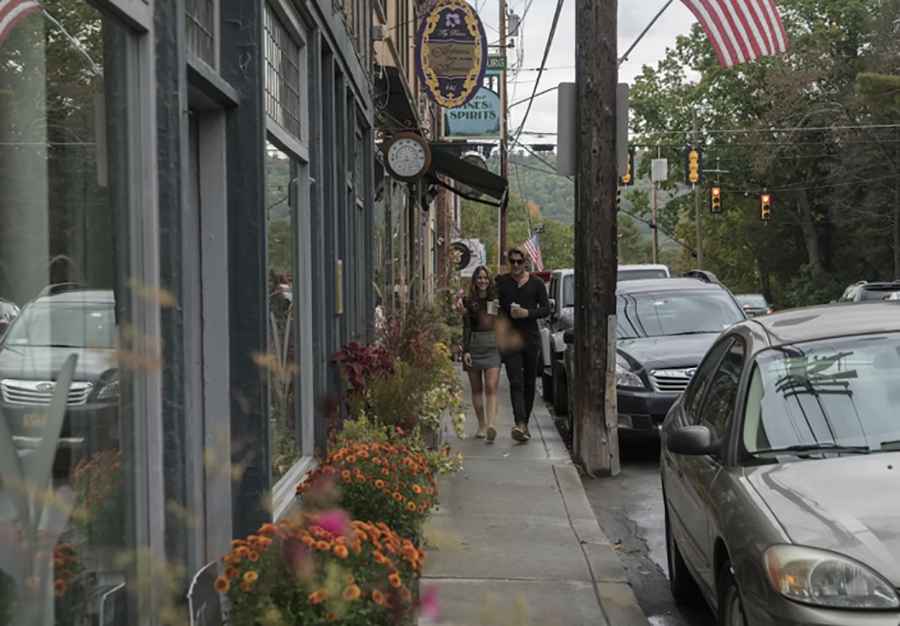
| Narrowsburg Logistics & Terrain Matrix | |
|---|---|
| Regional Access | NY-97 (Upper Delaware Scenic Byway) |
| Historic Infrastructure | Main Street Historic District (19th-century architecture) |
| Natural Hazards | River currents and narrow mountain road gradients |
| Logistical Hub | Service point for Delaware River expeditions |
1. Navigating the Upper Delaware Scenic Roads
The primary access to Narrowsburg is via NY-97, a road renowned for its technical turns and significant elevation changes overlooking the river. For drivers, this route demands high concentration and well-maintained braking systems due to the winding nature of the Delaware Valley roads. Narrowsburg serves as a critical stop for refueling and logistical preparation before heading deeper into the rural sectors of the Catskill foothills. Monitoring local weather alerts is mandatory, as fog and ice can significantly alter the safety profile of these scenic corridors.
2. Auditing the Historic Main Street Infrastructure
The core of Narrowsburg is its Main Street Historic District, which features over 20 preserved structures from the mid-19-century. This area provides a case study in early American river-town architecture and infrastructure. Beyond the aesthetic value, the district operates as a concentrated logistical center where travelers can access essential services. For those interested in technical history, the local museum archives offer data on the town’s development as a timber and transportation hub, including the history of the early roads and bridges that crossed the Delaware.
3. Environmental Logistics: Parks and River Access
The geography of the region offers several sites for terrain analysis and outdoor activity. The Louisa Corwin Nature Preserve features miles of trails that require sturdy footwear and basic navigation equipment. Furthermore, the Delaware River in this sector is a major corridor for non-motorized transit; however, the "Big Eddy"—the deepest point of the river—presents specific currents that require professional-grade safety equipment and life jackets. Analyzing the river's water levels is a key part of the logistical preparation for any aquatic expedition in this area.
4. Accommodation and Operational Base Management
Establishing a base in Narrowsburg involves choosing from various lodging tiers, from traditional structures to managed camping sites. For those on a strict budget or traveling for field research, local hostels provide a functional and efficient alternative. It is advisable to consult with local service providers to identify the safest zones for long-term vehicle parking, especially when carrying expensive outdoor equipment. Proper asset security is a fundamental part of the logistical strategy when staying in rural or semi-remote roads locations.
Conclusion
Narrowsburg is more than a scenic stop; it is a vital logistical node for anyone exploring the Upper Delaware region. By planning your route along NY-97, auditing the historic infrastructure, and preparing for the environmental challenges of the river, you ensure a successful and safe expedition. Precision in planning your transit and equipment is the key to mastering the diverse roads of Upstate New York. Stay alert to the terrain, verify your equipment, and focus on the road. Professionalism in travel leads to superior experiences.