Truck Accidents: What are the Primary Challenges Facing Victims on the Roads?
A collision involving a heavy-duty commercial truck—often weighing up to 80,000 pounds—is never a minor event. Due to the massive scale and kinetic energy of these vehicles, victims face a specific set of logistical, legal, and physical hurdles that differ significantly from standard passenger car accidents. Navigating the aftermath of a truck crash requires an understanding of complex liability structures, federal safety regulations, and the critical importance of evidence preservation. This guide analyzes the primary challenges faced by victims and the strategic steps required to secure fair treatment and compensation after a high-impact incident on the roads.
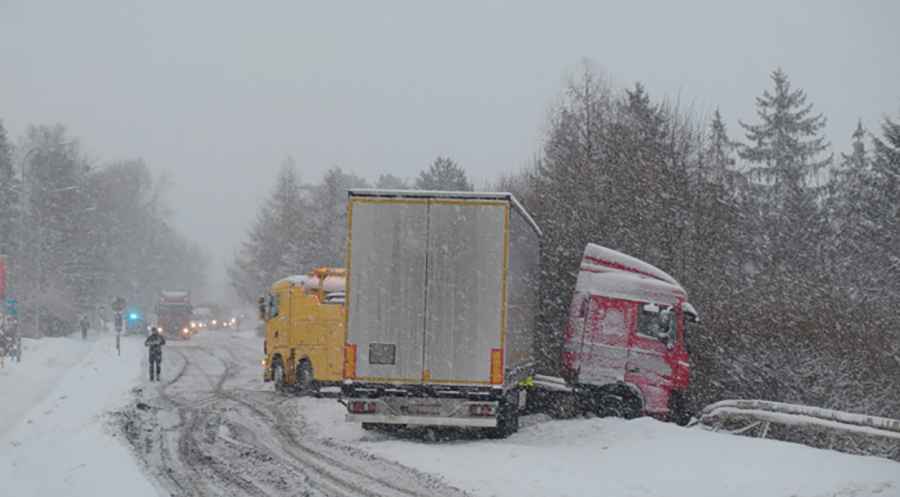
| Commercial Truck Accident Audit Matrix | |
|---|---|
| Liability Structure | Vicarious liability (Carrier, Driver, Maintenance) |
| Federal Compliance | FMCSA regulations and Hours of Service (HOS) logs |
| Critical Evidence | ELD data, Black Box (ECM), and Post-crash inspections |
| Economic Impact | Total loss of assets and long-term medical rehabilitation |
1. The Complexity of Multi-Party Liability
Unlike a standard car crash, a truck accident often involves multiple defendants under the doctrine of vicarious liability. The challenge lies in determining if the fault rests with the driver (due to fatigue or impairment), the motor carrier (due to improper training or forced overtime), or third-party contractors (due to mechanical failures like brake or tire defects). Auditing these layers of responsibility is essential to identify the root cause of the incident on the roads and to ensure that all negligent parties are held accountable.
2. Catastrophic Physical and Financial Consequences
The impact of a Class 8 truck often results in life-altering injuries, such as traumatic brain trauma or spinal cord damage. The medical costs for these injuries can exceed six figures almost instantly, placing an immense burden on the victim’s family. Furthermore, the financial impact includes significant lost wages during months of rehabilitation and the total loss of the passenger vehicle. Managing these financial pressures while focusing on physical recovery is one of the greatest challenges for any victim on the roads.
3. Preservation of Digital and Physical Evidence
The most critical hurdle in a truck accident case is the "spoliation of evidence." Motor carriers often have rapid response teams that begin collecting data immediately after a crash. To secure a fair outcome, victims must act quickly to preserve:
- Electronic Logging Device (ELD) Data: To verify if the driver exceeded legal driving limits.
- Event Data Recorder (Black Box): To analyze speed, braking, and steering inputs at the moment of impact.
- Maintenance Logs: To identify if the vehicle was operating with known mechanical defects on the roads.
4. Navigating Federal Safety Regulations
Commercial trucking is governed by a complex set of federal safety standards, such as those set by the FMCSA. These include strict "Hours of Service" rules designed to prevent driver fatigue. Proving a violation of these standards requires a technical audit of the driver’s logs and the carrier’s internal records. Legal advocacy is essential to navigate these regulations and to prevent insurance companies from minimizing the carrier’s responsibility for the safety of other users on the roads.
Conclusion
A truck accident is a high-stakes event that demands professional technical and legal intervention. By understanding the complexities of multi-party liability and the critical importance of preserving digital evidence, victims can protect their rights and secure their financial future. Safety on the roads depends on holding large carriers to the highest standards of accountability. Stay methodical, act quickly to secure your data, and focus on the road. Precision in your post-crash strategy is the only way to achieve a fair resolution.