Where are the best roads of Capitol Reef National Park?
Capitol Reef National Park in south-central Utah is defined by the Waterpocket Fold, a 100-mile warp in the Earth's crust. The park features a diverse network of roads ranging from paved canyon access to high-clearance 4WD tracks through remote backcountry washes.
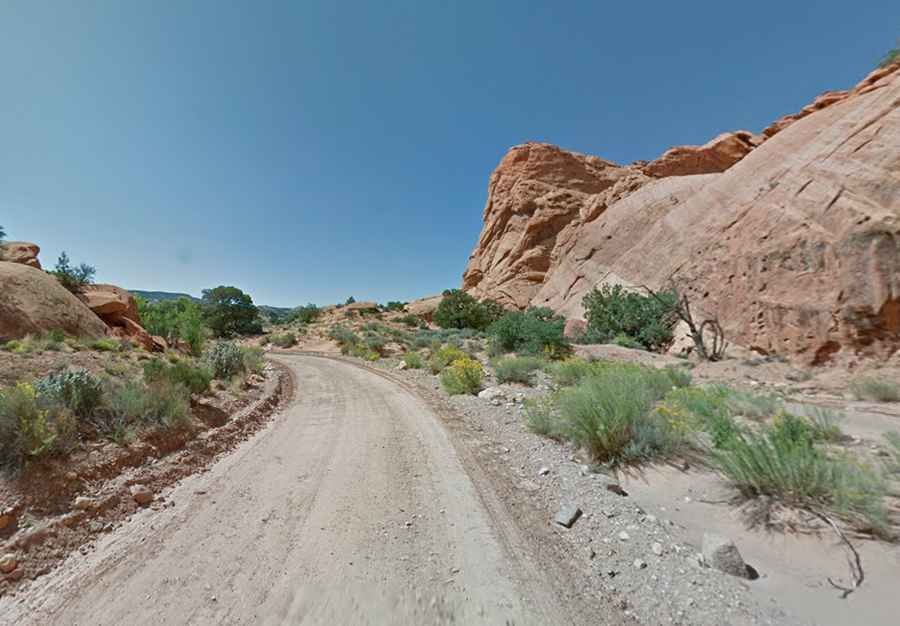
| Road facts: Capitol Reef National Park | |
|---|---|
| Location | South-central Utah, USA |
| Best Time to Visit | Autumn & Spring |
| Primary Hazards | Flash floods, extreme heat, and rocky washouts |
| Technical Requirements | High-clearance 4WD (for backcountry loops) |
Which are the main drives in Capitol Reef National Park?
- Scenic Drive — 12.7 km (Paved)
Main access road running south from Fruita into the inner canyons. Suitable for all 2WD passenger cars. - Notom-Bullfrog Road — 52.3 km (Paved / Dirt)
Runs along the eastern face of the Waterpocket Fold. The northern 24 km are paved; the rest transitions to gravel and dirt washed out by flash floods. - Cathedral Valley Loop — 92.7 km (Dirt / 4WD)
Remote backcountry circuit requiring high-clearance 4WD. Includes a river crossing at the Fremont River ford, deep sand, and bentonite clay. - Burr Trail Road — 106 km (Paved / Dirt)
Connects Boulder to Bullfrog across the southern end of the park. Features steep dirt switchbacks dropping down through massive red rock canyons. - South Draw Road — 13 km (Rough Dirt / 4WD)
Technical climb connecting the Scenic Drive to Boulder Mountain. High-clearance 4WD required for deep ruts, large boulders, and stream crossings.
What should you check before driving in Capitol Reef?
Road conditions change rapidly in the park due to dry wash flash flooding and mud. Unpaved routes like Cathedral Valley and Notom-Bullfrog become impassable after heavy rain. Always verify river levels and road status at the visitor center in Torrey before attempting unpaved backcountry tracks.