What Are the Economic and Non-Economic Damages After a Truck Accident on the Roads?
Collisions involving large commercial vehicles (exceeding 10,000 lbs.) are high-energy events with devastating consequences for the road network and its users. In Utah alone, the Department of Transportation (UDOT) recorded 10,359 crashes involving large trucks in 2019, resulting in a total economic and social cost exceeding $776 million. Navigating the legal aftermath of these incidents requires a precise audit of both tangible financial losses and intangible personal trauma. For victims on these roads, securing expert Utah truck accident attorneys is essential to quantify these damages and ensure a full recovery of capital and health.
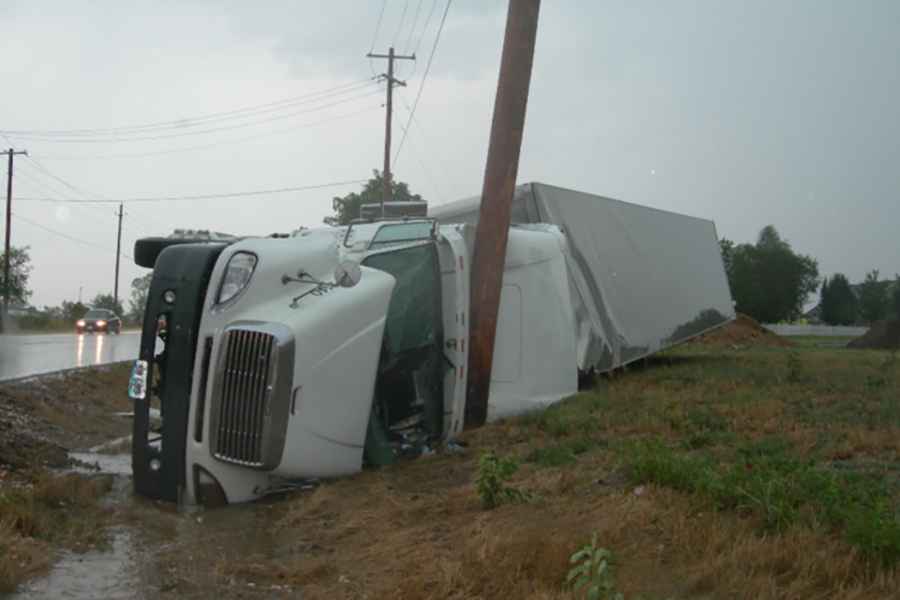
| Truck Accident Damage & Recovery Matrix | |
|---|---|
| Economic Damages | Quantifiable monetary losses (Medical, Wages, Property) |
| Non-Economic Losses | Subjective trauma (Pain, Suffering, Emotional distress) |
| Primary Causes | Distracted driving, speeding, and driver fatigue |
| Fatality Statistics (Utah) | 41 deaths and 440 injuries in 2020 (DPS Data) |
Economic Damages: Quantifying the Tangible Financial Loss
Economic damages represent the direct monetary impact on a victim’s finances following a truck accident. Due to the massive kinetic energy involved in heavy vehicle collisions, these costs can escalate rapidly. A professional legal audit focuses on three primary areas:
- Comprehensive Medical Costs: This includes immediate triage (ambulance, ER), surgical interventions, hospital stays, and long-term physical therapy or rehabilitation. For permanent injuries, this also covers home modifications and specialized medical equipment.
- Lost Wages and Earning Potential: Beyond immediate lost income during recovery, a truck accident on the roads can lead to a permanent decrease in an operator's ability to generate revenue, especially if they can no longer meet the physical demands of their previous profession.
- Asset and Property Destruction: The cost of repairing or replacing a vehicle and any high-value personal property destroyed during the impact.
Non-Economic Losses: The Invisible Cost of Trauma
Non-economic damages address the subjective, non-monetary impact of a collision. While harder to quantify, they are equally critical for a full recovery. On the roads of litigation, these include:
- Pain and Suffering: The ongoing physical discomfort and mental anguish resulting from the trauma.
- Emotional Distress: Many victims suffer from PTSD, anxiety, or depression following a catastrophic truck accident, requiring specialized psychological support.
- Loss of Enjoyment and Consortium: The inability to participate in previous hobbies or maintain the same level of intimacy and companionship with family members.
- Scarring and Disfigurement: Permanent physical changes that can lead to significant emotional and social challenges.
The Role of Specialized Legal Counsel
Navigating the complex insurance and regulatory frameworks of the trucking industry requires professional guidance. Utah truck accident attorneys specialize in auditing the specific variables of heavy vehicle incidents—such as logbook compliance and maintenance records—to establish liability. They advocate for a settlement that reflects the true TCO (Total Cost of Ownership) of the accident, ensuring that both economic and non-economic damages are fully compensated. Without expert representation, victims on the roads are often vulnerable to low-ball offers from corporate insurance teams.
Conclusion: Restoring Stability After a Collision
A truck accident is a life-altering event that demands a disciplined and strategic response. By understanding the full spectrum of economic and non-economic damages, you can take the necessary steps to restore your financial and mental health. The roads of Utah are essential for commerce, but safety must remain the priority. If a collision occurs, prioritize your medical triage, secure professional legal counsel, and focus on the road. Recovery is a journey that requires the right partners.