Self-Salting Asphalt: The Future of Winter Road Safety
Winter driving is often a battle against invisible hazards like black ice and sudden slush accumulation. Traditionally, keeping roads open during a freeze requires a massive fleet of salt trucks and constant monitoring. However, a new shift in civil engineering is emerging: self-salting roads. By embedding de-icing agents directly into the road surface, researchers are looking for a way to make the asphalt itself react to the cold, potentially eliminating the "skating rink" effect that leads to thousands of winter accidents every year.
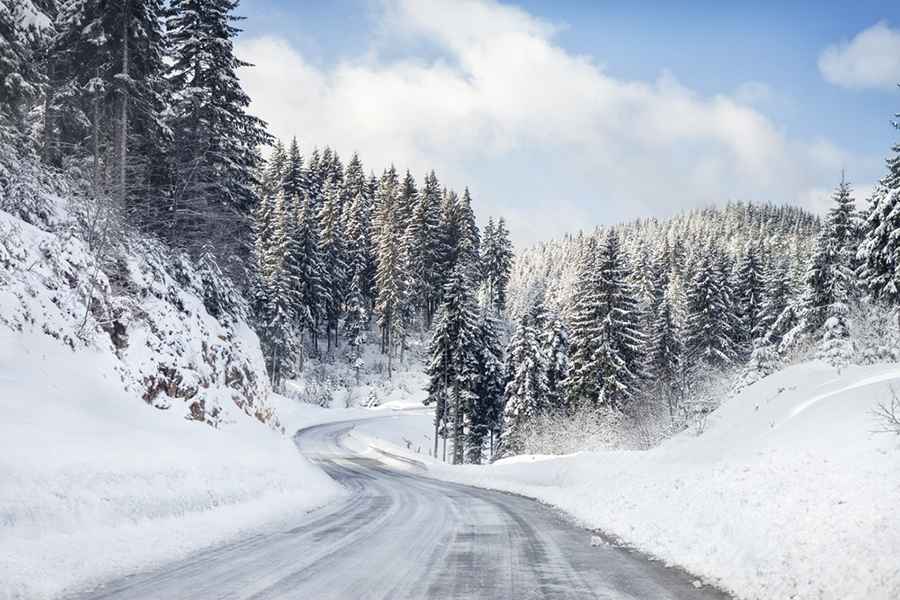
| Winter Safety: The Impact of Ice | |
|---|---|
| Annual Fatalities (US) | ~1,300 deaths due to icy/snowy pavement |
| Annual Injuries (US) | ~116,800 injuries related to winter road conditions |
| Traditional Cost | Up to $2 million per lane mile for manual de-icing |
| Innovation | Salt-embedded polymer additives in the asphalt mix |
How Does a Road Salt Itself?
The concept is less like science fiction and more like smart chemistry. Instead of spreading salt on top of the road, micro-capsules of de-icing salt are mixed into the asphalt or concrete during construction. When temperatures drop and ice begins to form, the road surface slowly releases these agents. This prevents the bond between the ice and the pavement from forming in the first place, keeping the road in a "slush" state that is much easier for tires to grip.
The Benefits: Saving Lives and Budgets
The primary advantage of this technology is the reduction of human error and response time. Even the best salt truck fleets can’t be everywhere at once during a sudden storm.
- Safety: By keeping the road surface active 24/7, we can significantly cut down the 1,300 annual deaths caused by snowy roads.
- Cost Efficiency: While the initial construction of self-salting roads is higher, it saves millions in the long run by reducing the need for heavy machinery, labor, and the constant purchase of bulk salt.
- Infrastructure Longevity: Manual salting often leads to highly corrosive runoff that damages car undercarriages and bridge structures. Controlled release from the road itself could be less aggressive.
The Real-World Challenges
It’s not perfect yet. Engineers at institutions like the University of Nebraska-Lincoln are still tackling two main hurdles:
- Durability: How do you keep the salt inside the road for 10 or 15 years without it all washing away in the first few winters?
- Environmental Balance: Finding the "Goldilocks" concentration. Too much salt damages the surrounding ecosystem and weakens the road structure; too little, and the road remains a hazard.
What This Means for Drivers
Even with self-salting roads, winter driving will always require caution. Technology can improve traction, but it can’t replace a driver’s judgment. Until these roads become the standard on every mountain pass and highway, your best tools remain high-quality winter tires, a safe following distance, and staying alert to changing conditions. Accidents can happen on any surface, but this technology might finally take the "surprise" out of black ice.
Conclusion
Self-salting roads could be one of the most significant developments in road safety in decades. By turning the road into an active participant in safety rather than just a passive surface, we can move toward a future where "black ice" is a relic of the past. As this technology scales up from research labs to actual highways, the most dangerous season of the year might become a lot more manageable for all of us.
Image credit: Depositphotos