The 8 Most Challenging Roads of Olympic National Park
Located on Washington's Olympic Peninsula, Olympic National Park features a rugged network of coastal, rainforest, and high-altitude mountain routes. While U.S. Highway 101 circles the peninsula, the interior spur roads climb steep valleys, feature narrow gravel shelf tracks, and face frequent storm washouts.
| Road Name | Length | Surface | Key Driving Restrictions |
|---|---|---|---|
| Staircase Rd | 16 miles | Paved / Unpaved gravel | Winter ice; heavy rain mud traps |
| Deer Park Rd | 18 miles | 100% Gravel | Strictly prohibited for RVs and trailers |
| Hurricane Ridge Rd | 18 miles | 100% Paved | Winter tire chains mandatory; sudden blizzard hazards |
| Obstruction Point Rd | 7.6 miles | 100% Gravel | Highest road in park (6,150 ft); narrow shelf drop-offs |
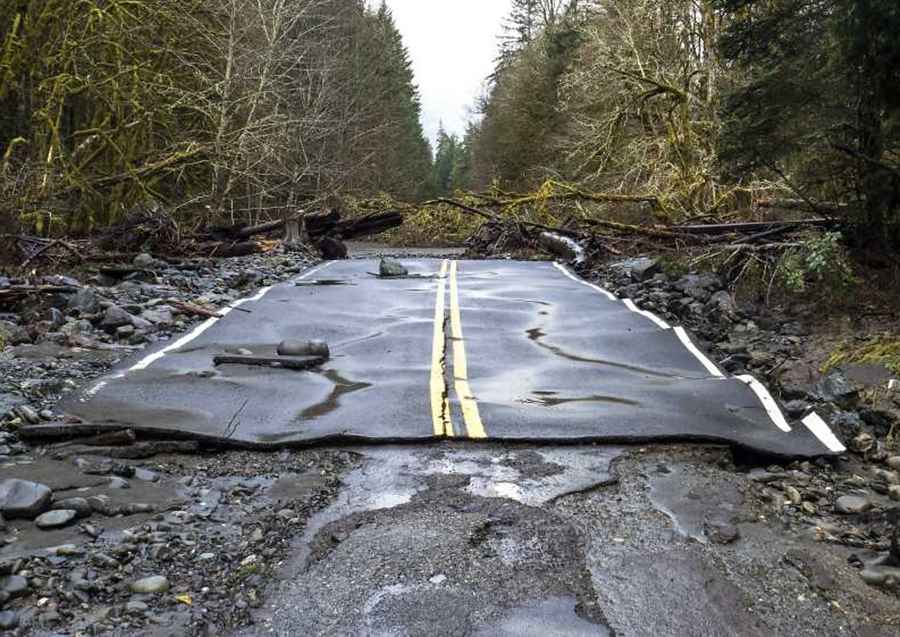
| Olympic Hot Springs Rd | 8 miles | Paved | Permanently closed to motor vehicles (Active river washout) |
| Sol Duc Rd | 14 miles | 100% Paved | Seasonal winter closures; high rain slickness |
| Graves Creek Rd | 6 miles | 100% Gravel | Prohibited for RVs and trailers; narrow rainforest track |
| Dosewallips Rd | 9 miles | Former Road | Closed to vehicles since 2002 washouts |
What are the primary driving hazards in Olympic National Park?
Heavy rainfall exceeding 140 inches per year causes frequent washouts, landslips, and mud buildup across mountain tracks. Saturated gravel roads lose surface stability quickly, creating deep ruts and soft shoulders along steep drop-offs.
Are RVs and trailers allowed on all Olympic National Park roads?
No. Several routes, including Deer Park Road and Graves Creek Road, strictly prohibit RVs, travel trailers, and large combination vehicles due to tight turning radii, narrow single-lane sections, and a complete lack of turnaround space.
What is the highest road in Olympic National Park?
Obstruction Point Road is the park's highest driveable route, reaching 1,875 meters (6,150 ft) above sea level. Starting from the end of Hurricane Ridge Road, this narrow 7.6-mile gravel shelf track features steep, unbarriered drops and remains snowbound for most of the year.
Which roads in Olympic National Park are closed to cars?
Both Olympic Hot Springs Road in the Elwha Valley and Dosewallips River Road are permanently closed to motorized traffic due to massive river washouts. These former driving routes now serve exclusively as pedestrian and bicycle trails.
Is winter driving gear required in Olympic National Park?
Yes. Paved high-elevation corridors like Hurricane Ridge Road require drivers to carry tire chains from November through April, while mountain gravel routes remain unplowed and completely impassable during winter.