What are the 5 Common Types of Negligence Leading to Accidents on the Roads?
In high-density transit environments like Atlanta, car accidents are frequently the result of specific operational failures rather than random chance. Establishing liability is a technical process that requires proving a breach in the duty of care. Every year, millions of collisions result in billions of dollars in medical expenditures and asset loss, yet many victims remain unaware of how driver negligence impact their compensation claims. This guide analyzes five critical forms of negligence on the roads and the legal framework required to hold faulty operators accountable for their actions.
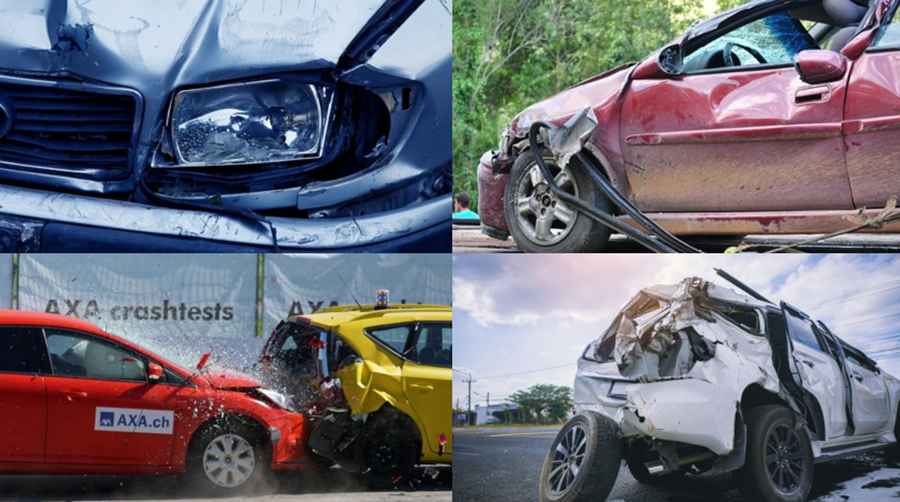
| Negligence & Liability Matrix | |
|---|---|
| Impairment | DUI/DWI (Alcohol or narcotics) |
| Distraction | Mobile device usage and cognitive dissociation |
| Proximity Failure | Tailgating and insufficient braking distance |
| Regulatory Breach | Speeding and violation of traffic control devices |
1. Driving Under the Influence: From Negligence to Intentional Tort
Operating a vehicle while intoxicated is a severe breach of road safety protocols. Beyond standard negligence, drunk driving can often escalate into an intentional tort if the driver’s impairment levels demonstrate a reckless disregard for human life. Whether it involves alcohol or narcotics, this activity severely degrades reaction times and spatial awareness. On the roads of Atlanta, a DUI conviction serves as powerful evidence of liability, making the faulty driver responsible for all resulting economic and non-economic damages.
2. Distracted Driving: The Cost of Cognitive Dissociation
Statistics indicate that a significant majority of injuries on the roads result from distracted operators. A fraction of a second spent checking a mobile device is enough to cause a catastrophic collision. Distraction isn't limited to digital devices; it includes eating while driving, adjusting complex dashboard consoles, or any activity that removes the driver's visual and cognitive focus from the transit corridor. Professional drivers must maintain a strict "sterile cabin" environment to ensure maximum situational awareness.
3. Tailgating: The Physics of Proximity Failure
Tailgating is a high-risk behavior that eliminates the necessary safety buffer for emergency braking. The distance required for a safe stop increases exponentially with velocity. For instance, while a short gap might suffice at 25 mph, the same distance at 55 mph makes a rear-end collision almost certain if the leading vehicle applies its brakes suddenly. On the roads, failing to maintain an adequate following distance is a clear indicator of negligent operation and a leading cause of multi-vehicle pile-ups.
4. Violation of Traffic Rules and Velocity Limits
Ignoring stop signs, running red lights, and exceeding posted speed limits are primary drivers of intersection accidents. The desire for excessive speed—often mistaken for driving "passion"—frequently leads to the loss of life and property. When an operator fails to respect the four-way stop or traffic control signals, they create an unpredictable environment for law-abiding users. These regulatory breaches are documented in police reports and serve as the foundation for proving negligence in a court of law.
5. Non-Maintenance of Vehicle Assets
An operator is responsible for the mechanical integrity of their vehicle. Bringing a damaged or poorly maintained asset onto the roads is an act of negligence. This includes failing to audit brake control systems, tire tread depth, and lighting equipment. A mechanical failure that leads to an accident is often preventable through regular maintenance. In personal injury claims, a lack of service records for the faulty vehicle can be used to demonstrate a pattern of carelessness and establish liability.
Conclusion
Understanding the different types of negligence is the first step toward securing justice after a collision. By identifying these five common failures—from impairment to poor maintenance—victims can build a stronger case for compensation. If you have been involved in an incident on the roads of Atlanta, consulting an experienced car accident lawyer is essential to navigate the legal complexities of your claim. Accountability is the key to safer infrastructure for everyone. Plan your transit, audit your vehicle, and focus on the road.