Driving the Most Haunted Roads on Long Island
Long Island, situated in Suffolk County, New York, is home to a network of roads that have transcended their role as mere infrastructure to become focal points of regional folklore and paranormal reports. The dense wooded terrain of West Hills County Park provides the backdrop for Sweet Hollow Road and Mount Misery Road. These narrow, winding roads are defined by their limited visibility and a history of tragic events, creating a high-stress environment for motorists and attracting thousands of visitors every year.
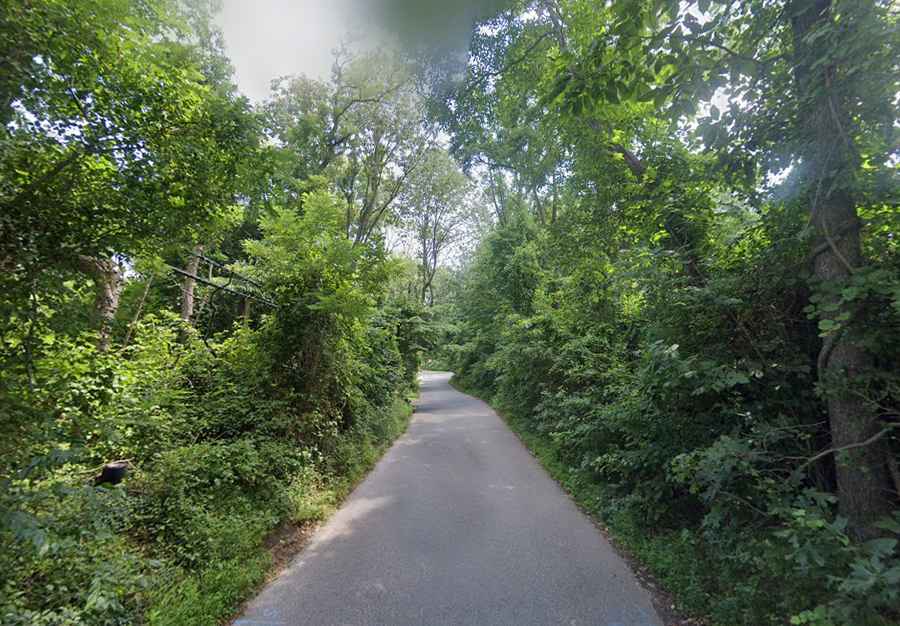
| Long Island Dangerous Roads: Technical Context | |
|---|---|
| Location | Huntington, West Hills County Park, NY |
| Topography | Narrow, winding, dense forest canopy |
| Primary Road Hazards | Low light, psychological stress, high pedestrian traffic |
| Historical Root | Native American sites and 17th-century European settlements |
What makes the geography of Sweet Hollow and Mount Misery Road so treacherous?
Both Sweet Hollow Road and Mount Misery Road are separated by less than a mile and share a claustrophobic geography. Pinned between thick, unmanaged woods, these roads offer virtually no shoulder space and are prone to extreme shadows even during daylight hours. From a professional driving perspective, the primary danger is the combination of sharp, unpredictable curves and the potential for distracted "ghost hunters" who often park illegally or walk along the unlit roadside, increasing the risk of accidents on these narrow roads.
Why does the folklore of Long Island impact road safety and traffic?
The transition from urban density to the eerie isolation of these Suffolk County roads creates a significant psychological shift for the driver. Legends of apparitions and historic tragedies have elevated these roads to a cult status. Whether one subscribes to the paranormal or views them as urban legends, the reality for the motorist is a heightened state of anxiety. This "dread factor," combined with the physical constraints of the road, demands maximum situational awareness and a reduction in speed to account for the unexpected movement of both wildlife and tourists on these haunted roads.
Long Island, situated in Suffolk County, New York, is home to a network of roads that have transcended their role as mere infrastructure to become focal points of regional folklore and paranormal reports.
How to drive these dangerous roads professionally?
When traversing roads with a high reputation for "hauntings" or anomalies, professional driving standards should be strictly applied:
- Lighting Protocol: Ensure high-intensity discharge (HID) or LED systems are functional to penetrate the heavy forest shadows on dark roads.
- Speed Management: Maintain a velocity well below the posted limit to account for the narrow, banking turns of the road.
- Mechanical Verification: Avoid transiting these isolated roads with low fuel or questionable battery health to prevent becoming stranded in a "high-dread" zone.
Conclusion: The Intersection of History and Road Infrastructure
The infamous roads of Long Island serve as a reminder that the environment of a drive is shaped as much by its history as by its asphalt. Mount Misery and Sweet Hollow Road represent a unique intersection of 17th-century heritage and modern-day psychological hazards. For the driver, the goal remains the same: navigating the road with discipline. Respect the legends, but keep your focus on the road ahead. The chills are optional; the safety of the transit is mandatory.