Driving in the Constitution State? What Are the 6 Common Causes of Accidents on Connecticut Roads?
Operating a vehicle in Connecticut requires navigating a complex mix of dense residential zones, high-speed interstate corridors, and volatile Atlantic weather patterns. Statistical data reveals that while some incidents are unpredictable, the majority of collisions on the state’s roads are the result of specific, manageable risk factors. For professional operators and residents alike, understanding these catalysts is the first step toward achieving operational safety. This guide analyzes the six primary causes of accidents in Connecticut and provides technical protocols to mitigate these risks and ensure a zero-incident mission.
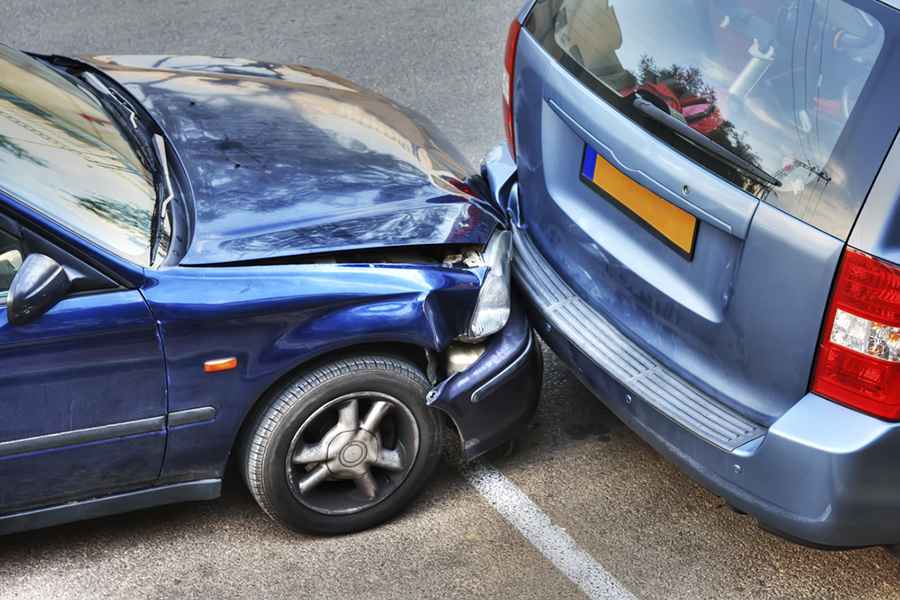
| Connecticut Road Risk Matrix | |
|---|---|
| Top Operational Hazard | Distracted driving (Electronic device usage) |
| Environmental Risk | Dense fog, heavy snow, and infrastructure debris |
| High-Density Hazard | Speeding in residential and school zones |
| Technical Requirement | Preventative brake and tire maintenance |
1. Distracted Driving: The Crisis of Cognitive Focus
In Connecticut, driver distraction remains one of the most significant threats to road safety. The usage of cell phones and other mobile assets diverts the operator's focus from the primary task of navigation. To maintain safety on the roads, it is mandatory to implement a "zero-distraction" protocol. This involves constant mindfulness of the surroundings, ignoring electronic alerts, and adhering to the principle of defensive driving—anticipating the maneuvers of other operators while maintaining a safe buffer zone.
2. Velocity Management in High-Density Zones
Speeding is a critical factor in urban and residential areas where the roads are narrower and pedestrian density is higher. This risk is exponentially higher in school zones and neighborhoods. Professional conduct dictates a strict adherence to posted velocity limits, as excessive speed reduces the time available to react to sudden obstacles. Velocity management is not just a legal requirement but a fundamental part of risk mitigation in Connecticut’s varied infrastructure.
3. Environmental Volatility and Infrastructure Hazards
Connecticut’s geographic location exposes its roads to heavy precipitation, dense fog, and rapid ice formation. These conditions severely compromise visibility and tire traction. Beyond the weather, damage to the road surface—such as deep potholes or debris—can cause sudden mechanical failures. Monitoring environmental data and adjusting driving protocols in real-time is the only way to ensure asset integrity during inclement weather cycles.
4. Impairment Logistics: The Technical Impact of DUI
Driving while intoxicated remains a severe operational risk. Alcohol significantly degrades the physiological metrics required for safe driving: reaction times are slowed, vision is impaired, and motor coordination is reduced. In Connecticut, a DUI carries extreme criminal penalties and administrative sanctions. From a logistical standpoint, impairment makes safe decision-making impossible, leading to a total breakdown of safety protocols on the roads.
5. Regulatory Non-Compliance and Aggressive Maneuvers
Disregarding traffic signals and road signs is a leading cause of multi-car collisions. Running red lights or failing to yield disrupts the orderly flow of transit and puts all road users at risk. Maintaining a courteous and calm demeanor is a professional necessity; avoiding aggressive maneuvers and road rage ensures that you remain in control of the vehicle's trajectory and the mission's outcome on the roads.
6. Technical Asset Maintenance: Preventing Mechanical Failure
A significant percentage of accidents in Connecticut are linked to poor vehicle maintenance. Worn braking systems, degraded tire treads, and low fluid levels can lead to life-threatening failures during high-traffic periods. Implementing a regular technical audit—including tune-ups and pressure checks—is a mandatory part of vehicle ownership. An improperly maintained asset is a liability that compromises the safety of the entire road network.
Conclusion: Achieving Operational Excellence in Connecticut
Safety on Connecticut roads is achieved through a combination of situational awareness and technical discipline. By understanding the primary risks—from distracted driving to mechanical neglect—you can take proactive steps to protect your life and your assets. Professionalism behind the wheel is the ultimate defense against the unpredictable variables of the road. Prepare your vehicle, respect the environment, and focus on the road. Excellence in transit is a continuous commitment.
Image credit: Depositphotos