Killer Krome: The Dark History of Miami’s State Road 997
Krome Avenue is arguably the most notorious road in South Florida. Known to locals as "Killer Krome," this highway is a magnet for dangerous road enthusiasts due to its haunting history, high-speed drag racing, and a staggeringly high fatality rate. Running along the edge of the Everglades, it serves as the final frontier between Miami's urban sprawl and the wilderness.
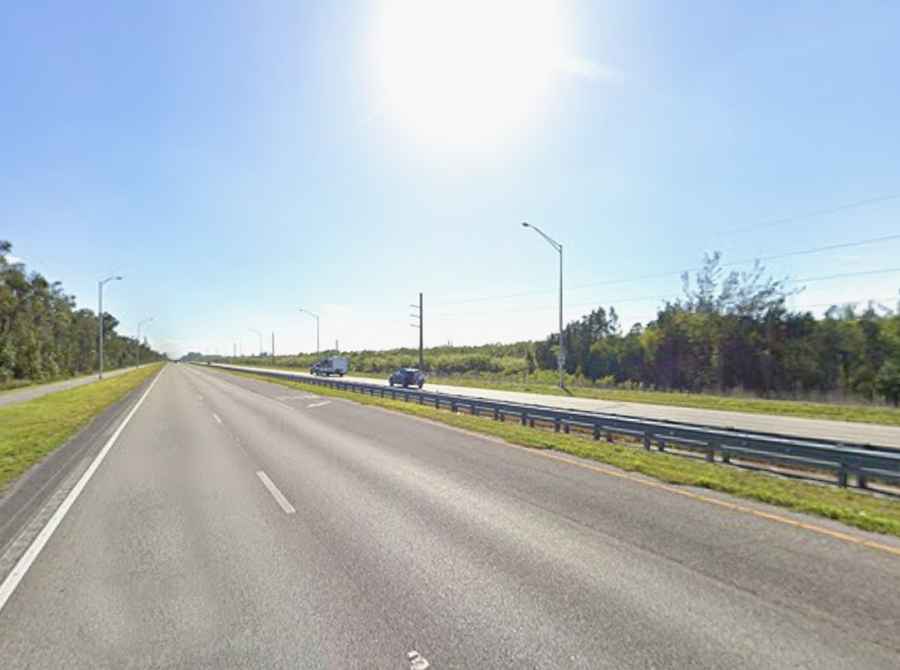
| Road Facts: Krome Avenue (SR 997) | |
|---|---|
| Location | Western Miami-Dade County, Florida |
| Length | ~59 km (37 miles) |
| Primary Hazards | Head-on collisions & Lack of lighting |
| Nickname | Killer Krome |
Geography of the Edge
State Road 997 runs North-South, stretching from Florida City/Homestead up to US 27. For decades, Krome Avenue was the absolute edge of civilization. To the east lay the developing suburbs of Kendall and West Miami; to the west, nothing but the solitary and dangerous Everglades. Despite recent developments, it remains a transitional road where the city’s grid system meets rural farmlands and indigenous Miccosukee territory.
Cold War Secrets and Haunted Ruins
The road’s notoriety isn't just due to driving conditions. During the 1960s, in response to the Cuban Missile Crisis, a secret Cold War missile silo was built along Krome. After being decommissioned, the site was repurposed as a refugee camp in the 1980s, a place marked by reports of riots and violence. For years, the abandoned ruins fueled rumors of a "secret mental asylum" and ghost sightings, making the road a rite of passage for teenagers seeking paranormal thrills. Today, part of this site has been replaced by a modern detention facility, but the air of mystery remains.
Why it's Called "Killer Krome"
Statistically, Krome Avenue has been one of the deadliest roads in Florida. The physical layout is the primary culprit: for years, it was a long, pitch-black, two-lane road with no median or barrier separating opposing traffic. On these straightaways, drivers often reach excessive speeds, leading to catastrophic head-on collisions. According to local traffic data, Krome has seen a significantly higher fatality rate per mile compared to other Miami-Dade highways.
Modernization vs. Rural Heritage
The high death toll sparked a long-standing controversy. Residents of the rural "Redlands" fought to keep the road narrow to preserve their agricultural lifestyle and local farm stands. However, the frequency of fatal accidents eventually forced the Florida Department of Transportation to begin widening projects and installing medians. While these upgrades are improving safety, the legendary "danger" of the original Krome Avenue is still very much a part of South Florida’s road lore.
Conclusion: A Must-Drive for Enthusiasts
Driving Krome Avenue at night remains an eerie experience. From the crossing with the famous Tamiami Trail to its end at US 27, the road offers a unique glimpse into the darker side of Florida’s geography. If you are exploring the Sunshine State, Krome provides a stark, technical contrast to the scenic Overseas Highway or the coastal stretches of US-1.