US 89 in Northwest Montana: Navigating the Hazards of the Open Range
While the Going-to-the-Sun Road captures most of the attention in Northwest Montana, U.S. Highway 89 (US 89) offers a different, more isolated set of challenges. Spanning 400.5 miles (644.5 km) from Yellowstone to the Canadian border, this high-altitude artery traverses the Little Belt Mountains and the eastern edge of Glacier National Park. Beyond its scenic value, the US 89 is defined by its "Open Range" status, where the lack of physical barriers between livestock and the roadway creates a high-risk environment for even the most experienced drivers.
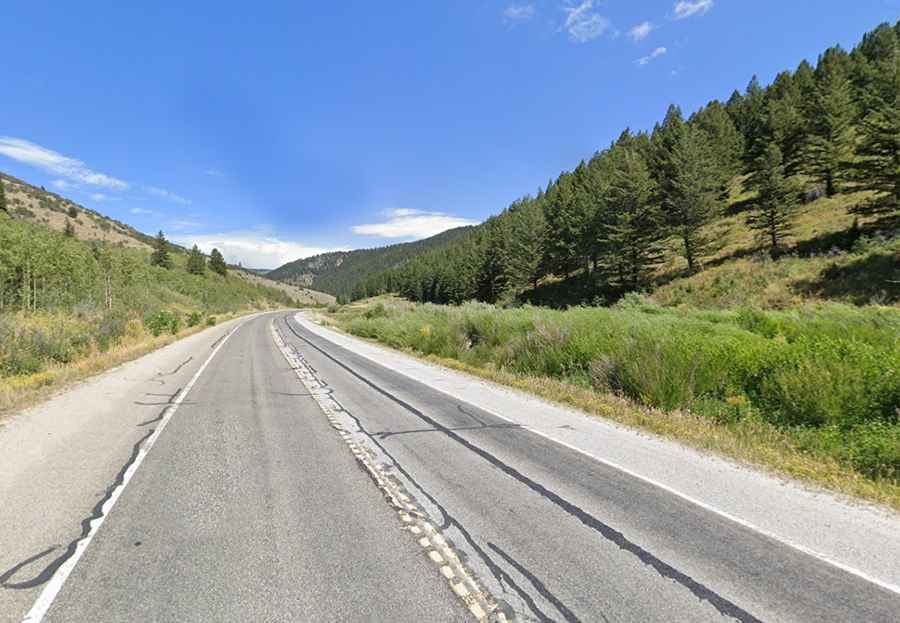
| Road facts: US 89 Northwest Montana | |
|---|---|
| Length | ~400 miles (Montana segment) |
| Max Elevation | 7,312 ft (Kings Hill Pass) |
| Hazard Level | High (Livestock, wildlife, lack of guardrails) |
| Primary Risk | Open Range (Unfenced cattle) |
What are the specific risks of driving on the Open Range?
Large sections of US 89 pass through Open Range territory, where livestock is not fenced off from the highway. In these zones, cattle have the right of way and are frequently found standing in the middle of the driving lane. The risk is compounded by the road's geometry; tight curves and steep drop-offs often hide animals until it is too late to react. At night, the danger increases exponentially, as the dark coats of cattle absorb headlight beams, making them nearly invisible until the moment of impact.
How can drivers mitigate the dangers of hitting wildlife and cattle?
The primary strategy for navigating US 89 is to avoid overdriving your headlights. This means maintaining a speed that allows you to come to a complete stop within the illuminated distance of your high beams. Defensive driving is mandatory: when rounding blind curves in the Little Belt Mountains or near Flathead National Forest, you must anticipate obstacles in your lane. Additionally, ensure your vehicle’s braking system and tires are in peak condition, as the lack of guardrails in many sections makes any evasive maneuver highly high-stakes.
What insurance coverage is essential for dangerous Montana roads?
Standard liability insurance is insufficient for the unique risks of Northwest Montana. Given that Montana has one of the highest rates of animal-vehicle collisions in the US, comprehensive coverage is a logistical necessity. This specific type of insurance protects against financial loss resulting from hitting cattle or wildlife. For those using rental vehicles to explore Glacier National Park, verifying that your policy or credit card benefits cover animal strikes is a critical pre-trip requirement.
What emergency supplies are needed for isolated stretches of US 89?
Cellular coverage on US 89 is notoriously unreliable, particularly in the mountain passes. If a mechanical failure or collision occurs, professional roadside assistance may be hours away. Every vehicle should be equipped with a self-sufficiency kit, including:
- Full-sized spare tire and the tools required for manual replacement.
- Emergency flares or reflective triangles to warn oncoming traffic on blind curves.
- First aid supplies and emergency thermal blankets for high-altitude temperature drops.
- Extra water and non-perishable food for potential stranding events.
Conclusion: Respecting the Untamed Nature of US 89
Driving the US 89 through Northwest Montana is a profound experience that bridges the gap between major national parks and true wilderness. However, the beauty of the landscape is inseparable from its hazards. By respecting the rules of the open range, maintaining mechanical readiness, and carrying the correct insurance and emergency gear, you can navigate this iconic route with the professional care it demands. On US 89, the road is as wild as the country it serves.