Logistics of Remote Camping and Fishing in the USA
For the long-distance driver and overlander, the combination of camping and fishing represents the ultimate form of self-sufficiency. Navigating the remote backcountry of the United States—from the high-altitude lakes of the Rockies to the rugged coastlines of the Pacific Northwest—demands a strategic approach to equipment and site selection. This guide analyzes the logistical benefits and safety requirements for integrating wilderness stays into your road expeditions.
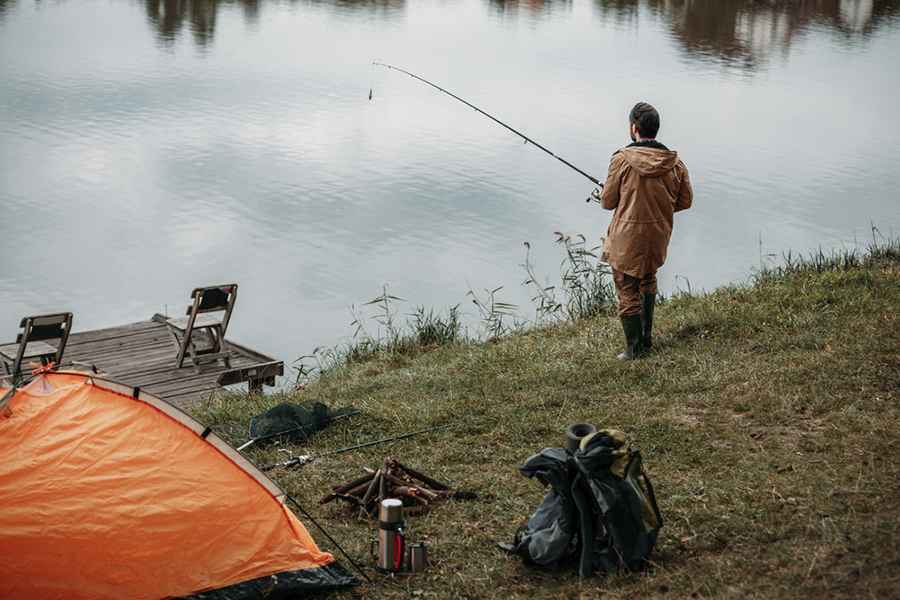
| Wilderness Expedition: Operational Factors | |
|---|---|
| Primary Access Zones | High-altitude mountains, coastal basins, and Arctic tundra |
| Critical Gear | All-weather thermal shelters and water purification systems |
| Safety Protocols | Leave No Trace (LNT) & Wildlife food storage |
| Logistical Reward | Increased situational awareness and environmental immersion |
1. Enhancing Situational Awareness through Solitude
In high-consequence environments, the ability to maintain focus is a survival skill. Fishing, often perceived as a meditative process, serves a tactical purpose: it demands patience and sensory acute awareness. Whether you are operating solo or in a small team, the discipline required for successful wilderness fishing translates directly to the concentration needed for navigating technical, unpaved mountain roads. It provides a necessary psychological "reset" from the cognitive load of long-distance driving.
2. Physiological Benefits and Clean Environment Access
Modern overlanding often involves transiting through high-altitude or ecologically pristine regions. Establishing a camp near alpine lakes or glacial rivers allows for access to clean environments that are increasingly rare in urban centers. This immersion has a measurable impact on a driver’s recovery from physical and mental fatigue. Furthermore, many premier fishing nodes are located at the terminus of the most challenging roads in the US, rewarding the technical driver with unparalleled seclusion and ecological purity.
3. Environmental Stewardship and "Leave No Trace"
Operating in the wilderness reinforces the responsibility of the traveler toward the infrastructure of nature. Urban residents often overlook the impact of pollution, but the overlander witnessing a remote landfill or contaminated waterway develops a deeper respect for the "Leave No Trace" (LNT) principles. Ensuring that your campsite and fishing site remain in their original state is essential for preserving access to these high-value roads for future expeditions.
4. Exploring New Frontiers: From Alaska to California
The synergy between camping and fishing encourages the exploration of the nation’s most difficult-to-reach geographies.
- The Arctic Frontier (Alaska): Requires specialized ice-fishing equipment and high-thermal-rated shelters capable of withstanding sub-zero temperatures and high winds.
- The Coastal Reach (California): Navigating the cliffside roads of the Pacific Coast Highway offers access to ocean-based fishing nodes where maritime logistics meet technical driving.
- The Inland Corridors (Minnesota/Massachusetts): Exploring the vast river networks and Great Lakes requires an autonomous setup, allowing for multi-day stays in regions where services are non-existent.
Conclusion: The Complete Expeditionary Experience
Camping and fishing are not merely hobbies; they are integrated components of a comprehensive road expedition. By mastering the logistics of wilderness stays, the modern explorer gains a deeper understanding of the American landscape. Respect the environment, ensure your vehicle and shelter are rated for the local climate, and utilize these moments of solitude to sharpen the focus required for the next leg of your journey.
Image credit: Depositphotos