Motorcycle Road Safety: 5 Technical Factors Behind Highway Incidents
Motorcycle operations involve a higher degree of risk due to vehicle instability and exposure to road surface irregularities. In the U.S., more than 5,000 fatal crashes are recorded annually, many of which are linked to specific infrastructure failures and traffic logistics. For any professional road user, understanding the technical reasons behind these accidents—from pavement conditions to braking differentials—is vital for risk mitigation. This guide analyzes the primary factors affecting motorcycle safety on modern road networks.
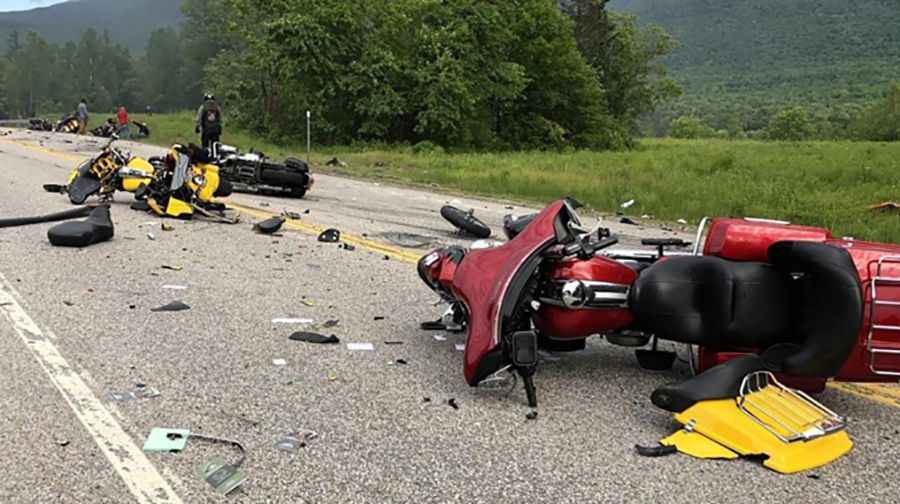
| Motorcycle Safety & Infrastructure Data | |
|---|---|
| Critical Zones | 70% of accidents occur at intersections |
| Surface Hazards | Potholes, gravel, and grooved pavement |
| Braking Differential | Motorcycles have shorter stopping distances than heavy trucks |
| Fault Attribution | ~58% of incidents involve a second vehicle's failure |
1. Impact of Degraded Road Conditions
Because a motorcycle relies on a two-wheel footprint, it is hypersensitive to the quality of the road surface. Logistics for road maintenance often overlook hazards that are minor for cars but lethal for riders, such as loose gravel, sand, or grooved pavement. These conditions can cause an immediate loss of traction. Professional road management requires early warning systems for riders when asphalt quality is compromised, especially in sectors where potholes or uneven joints are present.
2. Mechanical Integrity and Component Failure
A mechanical failure at high speed on a motorcycle is significantly harder to manage than in a four-wheeled vehicle. Defective parts, such as worn brake pads or compromised tire structures, are leading causes of loss of control. Ensuring that only certified replacement parts reach the market and maintaining a strict maintenance schedule are the best logistical defenses against out-of-the-blue mechanical wrecks on the road.
[Image showing a close-up of a motorcycle tire on a wet, grooved asphalt road during a safety inspection]
3. Braking Logistics and Rear-end Collisions
There is a dangerous technical gap between the stopping distance of a motorcycle and that of a commercial truck or car. A motorcycle can often stop much faster, which creates a high risk of being rear-ended if the following vehicle does not maintain a professional gap. Conversely, riders are at risk when large vehicles in front stop suddenly, blocking the rider's view of the road ahead and reducing their reaction time. Managing this space is critical in high-traffic corridors.
4. Intersection Dynamics and Visibility
Statistically, 70% of motorcycle accidents occur at intersections. The primary logistical failure here is the "human factor"—drivers often fail to see motorcyclists due to their smaller visual profile. This is exacerbated during sudden lane changes or when vehicles turn left across the path of an oncoming rider. Professional driving involves double-checking blind spots and using high-visibility signaling to ensure that all road users are accounted for in these high-conflict zones.
Conclusion: Engineering a Safer Road Environment
Reducing motorcycle accidents requires a combination of better road maintenance, vehicle integrity, and situational awareness. By focusing on the technical factors that cause instability and collisions, we can develop better protocols for shared road use. Whether it is improving the asphalt quality or respecting the braking differentials between vehicles, every logistical improvement contributes to a safer journey for everyone. Stay alert, respect the terrain, and focus on the road.