Navigating Inclusivity and Social Dynamics in US Cities
The United States remains one of the world’s primary travel destinations, defined by a vast network of metropolitan centers that serve as hubs for cultural and social exchange. For the long-distance traveler, understanding the demographic landscape and social inclusivity of a city is as vital as route planning. From the high-density seaports of the Pacific Northwest to the sprawling desert corridors of Arizona, each metropolis offers a unique operational environment shaped by its residents and urban infrastructure.
| City Profile: Demographic and Social Data | |
|---|---|
| San Francisco, CA | High diversity index; Pioneer in counter-culture logistics |
| Phoenix, AZ | 5th most populous US city (~1.6 million residents) |
| Seattle, WA | Metro population of ~4 million; High tech-sector density |
| Portland, OR | Focus on localism and pedestrian-centric urban design |
What defines the social inclusivity of San Francisco?
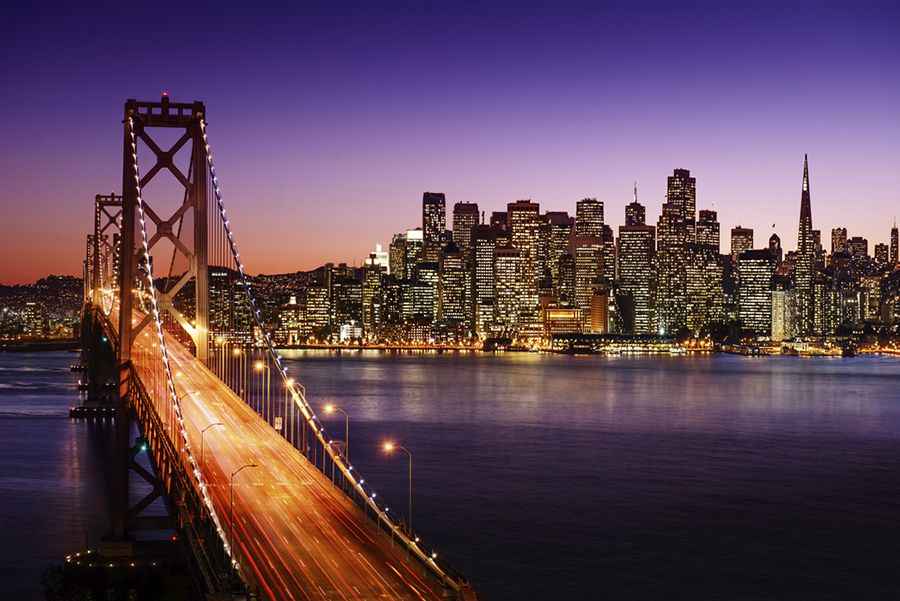
Historically the epicenter of American counter-culture, San Francisco remains a benchmark for social inclusivity and ethnic diversity. The city’s complex geography—defined by its iconic hills and dense foggy corridors—is matched by a social fabric that welcomes global travelers. Navigating areas like Polk Street or the historic districts requires an appreciation for a highly active social scene where industrial-chic venues and historic bars serve as primary nodes for interaction. The city’s "open-door" policy toward different backgrounds makes it a critical stop for those studying urban social dynamics.
Why is the Pacific Northwest (Seattle & Portland) a hub for free-spirited travel?
The Pacific Northwest, encompassing Seattle and Portland, is characterized by its proximity to vast wilderness and a culture of environmental advocacy. Seattle, a bustling seaport with a metro population of 4 million, is famous for its contribution to global music and technology sectors. Portland, known for its "keep it weird" localist philosophy, offers an inclusive environment where traditional venues—like English-style pubs and beer gardens—facilitate spontaneous social interaction. For the traveler, these cities represent the intersection of high-tech urbanity and a deep-rooted respect for individual expression.
How does Phoenix manage social growth in a desert landscape?
As the fifth most populous city in the USA, Phoenix is a massive urban sprawl set within the Sonoran Desert. Its inclusivity is reflected in a diverse age demographic, ranging from young tech professionals to an active retired population. Social hubs like the Blue Martini Lounge cater to a wide spectrum of residents, reflecting the city’s status as a cross-generational melting pot. Navigating Phoenix requires an awareness of its extreme thermal environment and a logistical plan that accounts for its vast, car-dependent infrastructure.
What is the operational environment of Washington DC?
Beyond the federal monuments and political centers, Washington DC operates as a vibrant and highly inclusive international city. The capital's social scene is defined by a mix of high-pomp diplomatic events and quirky, grassroots haunts like Little Miss Whiskey’s. This duality makes DC a unique environment for social networking. The city’s layout—designed around wide avenues and strategic circles—requires a professional approach to urban navigation, balancing the security-heavy federal zones with the lively, accessible neighborhoods where residents congregate.
How does the Midwest and Colorado culture impact traveler interactions?
The American Midwest and the mountain state of Colorado often represent the traditional imagery of the "Wild West" for international visitors. This region is defined by spectacular landscapes and a culture of rugged independence. However, in larger towns and urban centers, the culture is remarkably inclusive and friendly. Travelers stopping at local bars or community centers will find an environment that values direct communication and a shared respect for the outdoor lifestyle that defines the Rocky Mountain region.
Conclusion: The Necessity of Cultural Awareness in Urban Navigation
Successful travel through the major cities of the USA requires more than just a GPS; it demands cultural situational awareness. By understanding the inclusive nature of these urban centers—from the historic seaports of the West Coast to the federal corridors of the East—you can navigate the social landscape with the same precision you apply to the road. In a nation of 330 million people, the diversity of the residents is the most compelling feature of the infrastructure itself.
Image credit: Depositphotos