Navigating Speed Regulations: Tech and Tactics for US Road Trips
Speed management is a critical skill for any long-distance driver in the United States. Beyond the safety implications, navigating the vast network of state-specific speed laws and automated enforcement systems requires a proactive approach. Understanding how to use modern technology and situational awareness can help you maintain a steady pace while avoiding the costly setbacks of traffic citations.
| Speed Management Resources | |
|---|---|
| Primary Tools | GPS Navigation & Radar Detectors (where legal) |
| Enforcement Zones | Work zones, school zones, and rural "speed traps" |
| Legal Status | Radar detectors are illegal in Virginia and Washington D.C. |
| Critical Tip | Maintain vehicle lighting and registration visibility |
1. Strategic Use of GPS Navigation Systems
Modern GPS systems are far more than digital maps. For the avid traveler, a dedicated GPS unit provides real-time speed limit databases that alert you the moment a zone changes—critical when transitioning from open highways to small-town main streets. Advanced units also crowdsource data to alert drivers of reported enforcement zones or "speed traps" ahead, allowing for a gradual and safe reduction in speed.
2. Radar Detectors and Laser Jamming
In most U.S. states, radar detectors are legal for passenger vehicles and can serve as a secondary alert system. High-quality detectors identify the various frequencies (X, K, and Ka bands) used by law enforcement. However, technical proficiency is required to distinguish between actual police radar and "false positives" from automatic doors or blind-spot monitors. Note: Always verify state laws, as these devices are prohibited in certain jurisdictions and for all commercial vehicles.
3. Managing Deceleration in Enforcement Zones
Sudden braking when spotting a patrol vehicle can be dangerous and often attracts more attention. The most effective tactic is proactive speed management. Using your vehicle’s cruise control on long interstate stretches prevents "speed creep"—the gradual, unconscious increase in velocity—and ensures you remain within the legal margin of the flow of traffic.
4. Vehicle Maintenance and Documentation
A common reason for being pulled over isn't speed itself, but "equipment violations." A burnt-out taillight, an obscured license plate, or expired registration tags provide legal probable cause for a traffic stop. Maintaining your vehicle in top condition ensures you don't give enforcement officers a secondary reason to inspect your speed or driving record.
5. Situational Awareness and Daylight Driving
Enforcement patterns often shift based on visibility and traffic volume. Statistically, "speed traps" are more frequently encountered in rural transitions during daylight hours when visibility is highest. Obeying the "Basic Speed Law," which mandates driving at a safe speed for current conditions regardless of the posted limit, is especially important during inclement weather or night-time transit through mountain passes.
6. Professional Conduct during Traffic Stops
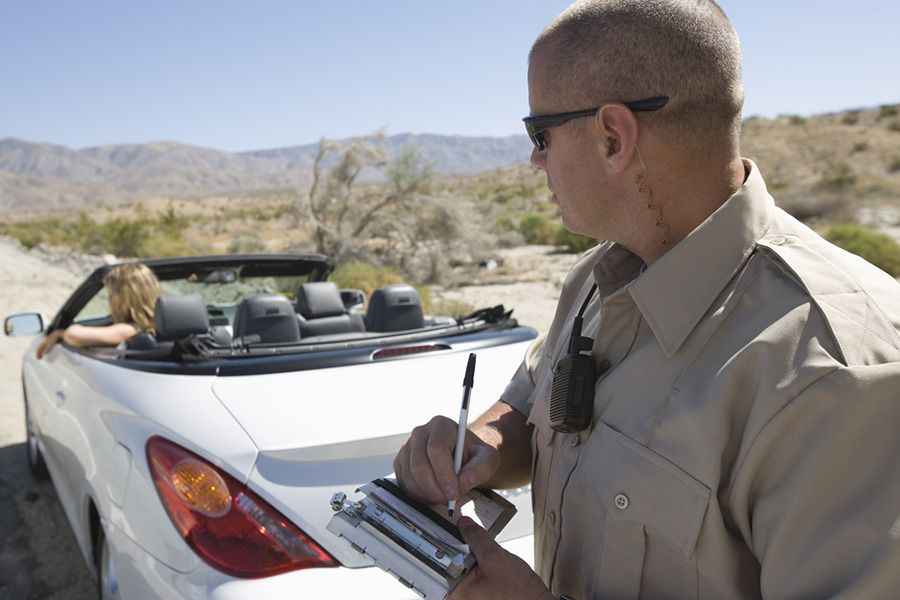
If you are signaled to pull over, safety and cooperation are paramount. Signal early, pull over to a wide section of the shoulder, and keep your hands visible. In many cases, a respectful interaction and a clean driving record can result in a warning rather than a formal citation, especially if the infraction was minor or due to a confusingly marked speed zone transition.
Ultimately, the goal of speed management is to ensure a safe, uninterrupted journey. By combining modern technology with a thorough understanding of the rules of the road, you can explore the most iconic routes in the USA without the stress of unexpected legal complications.
Image credit: Depositphotos