Tips on How to Prevent Serious Motorcycle Injuries
Operating a motorcycle on high-consequence roads—from technical mountain switchbacks to isolated desert arterials—demands a professional approach to personal protection. Unlike the passive safety systems of a four-wheeled vehicle, a motorcyclist’s safety is entirely dependent on integrated gear and situational discipline. In environments where the margin for error is non-existent, utilizing engineered protective equipment is not merely a preference, but a critical component of expeditionary logistics and survival.
| Protective Engineering: Technical Standards | |
|---|---|
| Cranial Protection | Full-face helmets (ECE 22.06 / Snell certified) |
| Abrasion Resistance | High-denier Cordura, Kevlar, or Grade-A Leather |
| Impact Absorption | CE Level 2 Armor (Shoulders, Elbows, Back, Hips) |
| Load Distribution | Ergonomic harness-system riding backpacks |
1. Cranial Integrity and Optical Clarity
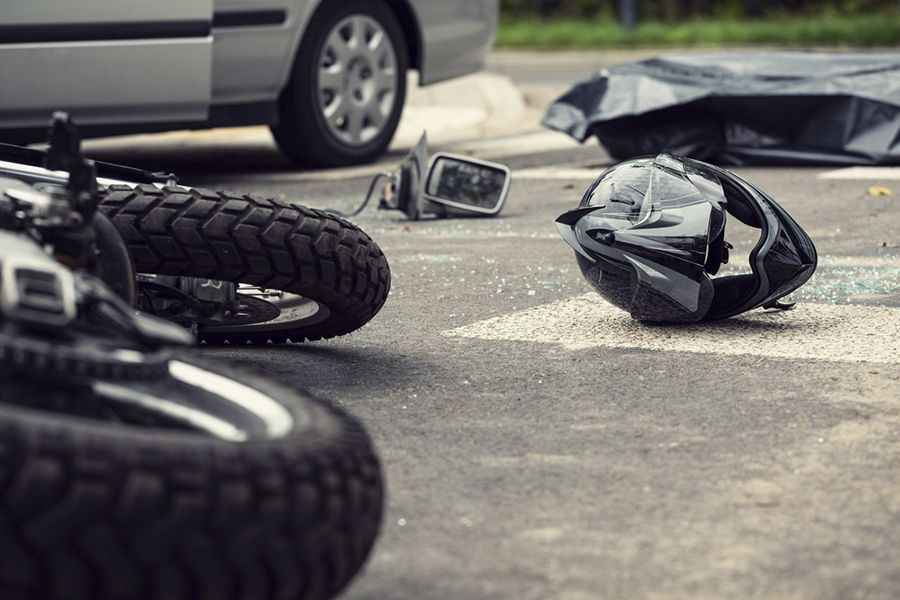
The helmet is the primary survival tool for any rider. On remote roads, visibility and impact protection are paramount. A full-face helmet with high-velocity certification (such as ECE 22.06) protects the facial structure and the brain from traumatic force. Additionally, high-quality optics in the visor prevent distortion and eye fatigue, which are critical when scanning the road for localized hazards like gravel, oil spills, or wildlife.
2. Multi-Point Armor and Abrasion Shields
Navigating rocky hillsides or unpaved mountain tracks requires apparel that can withstand high-energy friction and impact.
- Textile Engineering: Modern riding suits utilize Kevlar and high-density textiles designed to prevent "road rash" (severe abrasions) during a slide.
- Impact Displacement: Integrated armor in the knees, elbows, and spine is designed to displace the kinetic energy of an impact, protecting the skeletal structure and internal organs from severe trauma. CE Level 2 rated protectors are the professional standard for high-exposure transit.
3. Extremity Protection: Tactile Feedback and Stability
Hands and feet are essential for the technical operation of a motorcycle.
- Tactile Control: Specialized leather gloves provide the grip and feel necessary for precise throttle and brake modulation, while offering knuckle protection against debris and impact.
- Structural Support: Reinforced riding boots are engineered to prevent ankle torsion and protect the small bones of the feet. On unpredictable roads, where a foot-down maneuver might be necessary on unstable ground, structural rigidity is a tactical requirement.
4. Ergonomic Load Management
For long-range road trips, how you carry your gear affects your center of gravity and fatigue levels. Specialized riding backpacks utilize harness systems that transfer weight from the shoulders to the chest and hips. This reduces the strain on the spine and ensures the rider maintains full range of motion, allowing for rapid weight shifts during technical cornering on winding mountain corridors.
Conclusion: The Discipline of Safety
On America's most dangerous roads, the transition from a standard ride to an emergency scenario can happen in milliseconds. While no gear can eliminate the risk of a crash, engineered protection significantly reduces the severity of injuries and increases the probability of a successful self-rescue. Investing in technical armor is a testament to a rider’s respect for the road and their commitment to long-term operational autonomy in the wild.