What Are the Leading Causes of Left-Turn Motorcycle Accidents on California Roads?
Left-turn maneuvers represent one of the most volatile scenarios for motorcycle operators in California. These incidents typically occur when a passenger vehicle fails to perceive an oncoming motorcycle and initiates a turn, effectively cutting off the motorcyclist's transit corridor. Due to the reduced visual profile of a motorcycle compared to a standard vehicle, these "SMIDSY" (Sorry Mate, I Didn't See You) events are frequent and often catastrophic. Understanding the technical causes—from human error to infrastructure deficits—is vital for mitigating risk and ensuring safety on the roads. This guide analyzes the primary factors behind left-turn motorcycle accidents.
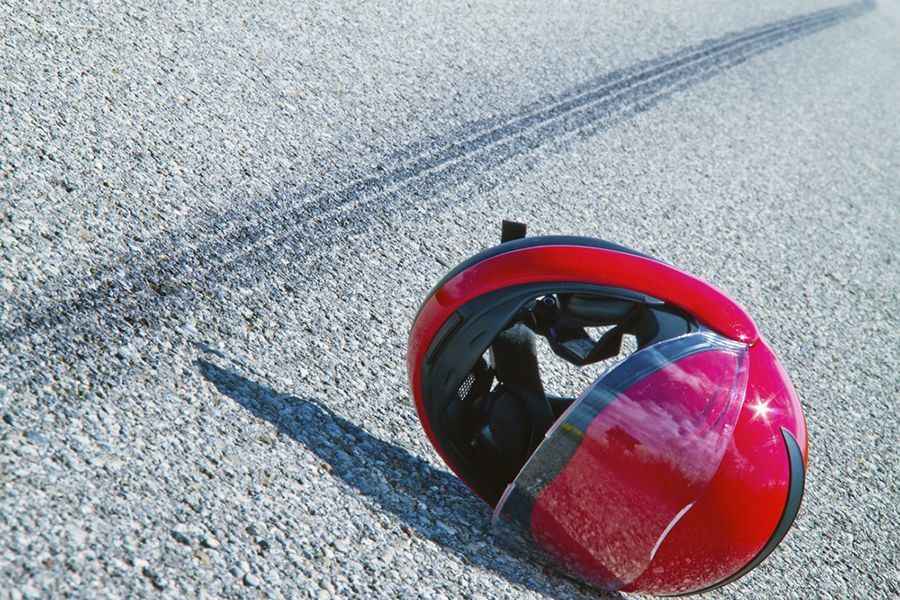
| Left-Turn Collision Risk Matrix | |
|---|---|
| Primary Factor | Driver perceptual failure (Size-arrival illusion) |
| Environmental Variable | Low lighting, road debris, and poor signage |
| Technical Failure | Braking system latency and tire degradation |
| Operational Error | Excessive velocity relative to intersection geometry |
1. Driver Perceptual Error and Failure to Yield
The most common cause of left-turn accidents is a failure in the other driver's situational awareness. Drivers often misjudge the speed and distance of an oncoming motorcycle due to its smaller surface area—a psychological phenomenon known as the size-arrival illusion. On California roads, this leads to an improper turn where the driver fails to yield the right of way. Cautious driving and proactive scanning at intersections are the only ways to neutralize this perceptual gap before it results in a collision.
2. Infrastructure and Road Surface Integrity
Poor road conditions are a significant contributing factor to motorcycle instability during maneuvers. Potholes, loose gravel, or slick oil patches at intersections can compromise a rider's lean angle and braking efficiency. Furthermore, inadequate street lighting on major roads during nighttime operations makes it nearly impossible for other drivers to detect a motorcycle's silhouette. Maintaining road surface integrity is essential for allowing riders to execute defensive maneuvers effectively.
[Image of a motorcycle rider's POV approaching a busy intersection at dusk, with high-contrast lighting highlighting the danger of a car waiting to turn left]
3. Mechanical Integrity and Asset Maintenance
A motorcycle's ability to avoid an accident depends on its mechanical readiness. If the braking system is compromised or the tires lack sufficient tread depth, the operator cannot decelerate in time to avoid a turning vehicle. Steering geometry issues can also prevent a rider from swerving safely. On the roads, a mechanical failure during a left-turn encounter is often the difference between a near-miss and a high-impact collision. Regular asset audits are a mandatory safety protocol.
4. Velocity Management and Target Perception
Excessive speed reduces the time available for both the rider and the other driver to react. When a motorcyclist approaches an intersection at high velocity, they become exponentially harder for other drivers to spot. Managing speed according to the specific geometry of the roads is a fundamental defensive skill. A controlled, lower-velocity approach increases your visual "footprint" and provides the necessary time buffer to execute an emergency stop if a vehicle initiates a dangerous turn.
Conclusion: Achieving Defensive Excellence on California Roads
Left-turn accidents remain a persistent threat to motorcycle safety in California, but they are often preventable through a combination of driver awareness and rider discipline. By auditing your vehicle's mechanical state, managing your speed, and staying alert to the infrastructure's condition, you can navigate even the most complex roads with confidence. Safety in an intersection is a shared responsibility, but your personal vigilance is your best protection. Plan your mission, respect the physics of the turn, and focus on the road.
Image credit: Depositphotos