Why Is Having Vehicle Insurance While On The Road Considered A Smart Move
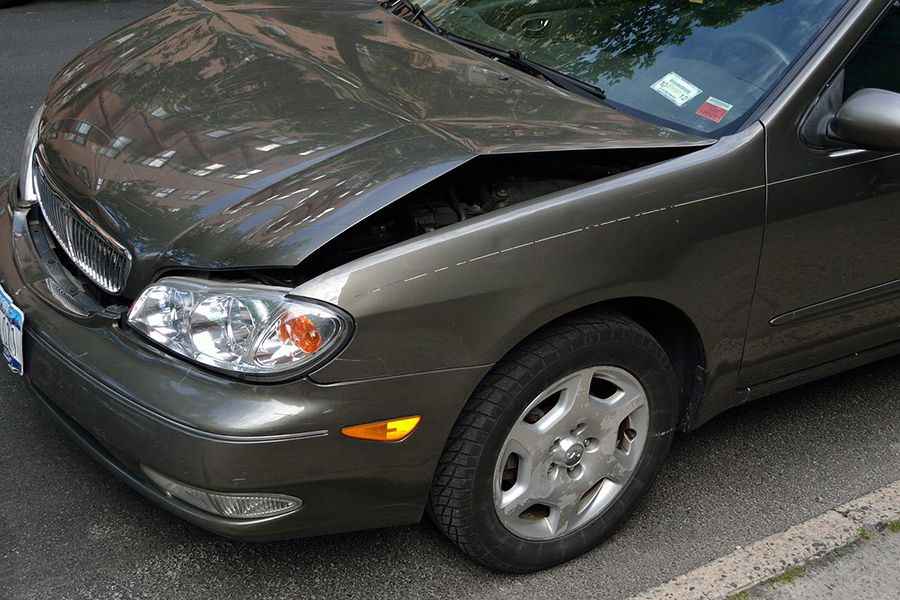
Operating a vehicle on high-risk corridors or remote interstate networks involves significant financial and legal exposure. Beyond mere legal compliance, vehicle insurance is a fundamental component of an expedition's risk management strategy. In the event of a high-velocity impact or a total loss in a remote area, the lack of adequate coverage can lead to the seizure of personal assets and devastating liability costs. For the professional driver, insurance is a calculated tool to mitigate the inherent volatility of the road.
| Insurance Logistics: Coverage Standards | |
|---|---|
| Liability Coverage | Third-party property and bodily injury protection |
| Collision & Comprehensive | Asset protection for vehicle repair or replacement |
| Add-on: Roadside Assistance | 24/7 recovery support in isolated zones |
| No Claim Bonus (NCB) | Incentive for sustained defensive driving (up to 50%) |
Is car insurance a mandatory requirement across the United States?
In the majority of US states, maintaining a minimum level of auto insurance is a statutory requirement. While the specific mandates for liability limits vary by jurisdiction, operating without coverage is a high-risk legal gamble. Even in states where requirements are minimal, professional safety standards dictate purchasing coverage that exceeds the legal baseline to protect against uninsured motorists and high-value liability claims that can arise from multi-vehicle accidents on high-speed highways.
What are the primary differences between liability and collision coverage?
A robust insurance portfolio is divided into two main categories:
- Liability: This covers damages for which you are legally responsible, including third-party property damage and bodily injuries. In a major highway incident, liability limits are often the only barrier protecting your personal assets from litigation.
- Collision: This facilitates the repair or replacement of your own vehicle following an impact, regardless of fault. For those driving specialized or high-value expedition vehicles, collision and comprehensive coverage are essential to recoup the significant capital invested in the equipment.
How do cashless garage networks simplify post-accident logistics?
One of the most efficient features of modern insurance for long-distance travelers is the cashless garage network. This system allows for vehicle repairs at authorized partner facilities without the need for immediate out-of-pocket expenditure. The insurer settles the invoices directly with the technical center, which is particularly advantageous when stranded in an unfamiliar region far from your primary logistical base, ensuring a faster return to operational status.
Which insurance add-ons are essential for remote road expeditions?
Standard policies often fail to cover the specific risks of remote travel. To customize a policy for high-risk transits, several add-ons are considered critical:
- Roadside Assistance: Provides 24/7 recovery and technical support in the event of a mechanical failure in isolated areas.
- Engine Protector: Essential for flood-prone regions or off-road transits where hydrostatic lock or water ingress could lead to total engine failure.
- Return to Invoice (RTI): In the event of a "total loss" (where repair costs exceed vehicle value), RTI ensures the payout matches the original showroom price rather than the depreciated market value.
How does the No Claim Bonus (NCB) reward defensive driving?
The No Claim Bonus (NCB) is a cumulative discount offered to drivers who maintain a claim-free record over multiple policy periods. Reaching up to 50% of the premium, it serves as a significant financial incentive for consistent defensive driving. For the professional driver, the NCB is not just a discount, but a metric of their operational safety record and their ability to navigate dangerous roads without incident.
Conclusion: The Strategic Value of Comprehensive Coverage
Insurance is not a passive expense but a proactive safety protocol. By selecting the right combination of liability, collision, and specialized add-ons, you ensure that a mechanical or human error on the road does not result in a terminal financial catastrophe. In the world of high-risk driving, situational awareness must be backed by institutional protection. Secure your assets, verify your coverage limits, and maintain the professional discipline required to stay on the road.