How Do Bad Weather Conditions Impact American Roads?
Weather is a primary factor in approximately 11% of fatal roadway accidents in the United States. Beyond simple visibility issues, extreme meteorological events directly alter the mechanical relationship between the tire and the road surface. From the thermal expansion of asphalt in the Southwest to the cryogenic stress on northern corridors, understanding the physics of weather-related road degradation is essential for maintaining vehicle control in high-risk environments.
| Weather Impact: Critical Safety Data | |
|---|---|
| Wet Pavement Fatalities | >5,000 annually (80% of weather incidents) |
| Winter Accident Volume | ~225,000 crashes related to snow and ice |
| Infrastructure Decay | Freeze-thaw cycles and thermal pavement expansion |
| Operational Risk | Reduced friction coefficient and hydroplaning |
How does precipitation trigger hydroplaning and loss of traction?
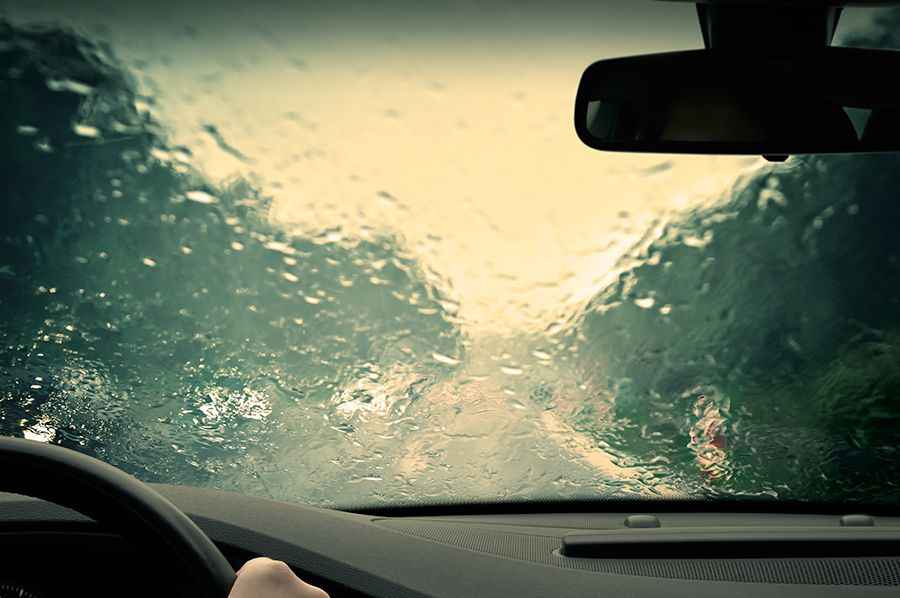
Hydroplaning occurs when a layer of water builds up between the vehicle's tires and the road surface, leading to a total loss of steering and braking response. This typically happens when the tire tread cannot evacuate water fast enough to maintain mechanical grip. Statistically, wet pavement contributes to over 1.1 million accidents yearly in the US. To mitigate this hazard, drivers must monitor tire tread depth and adjust velocity according to water depth, as the friction coefficient drops drastically the moment the tire loses direct contact with the asphalt.
Why are freeze-thaw cycles destructive to mountain roads?
In regions with extreme temperature fluctuations, roads undergo constant structural stress. During winter, water seeps into microscopic fissures in the pavement; when it freezes, it expands, widening the cracks. This freeze-thaw activity is the primary cause of potholes and surface deformations. For drivers on high-altitude routes, these deformations can become catastrophic hazards, especially when hidden under fresh snow or standing water, potentially causing immediate suspension failure or tire blowouts.
What are the technical requirements for driving on icy pavement?
Navigating icy surfaces requires specialized equipment and a shift in driving dynamics. Standard tires lose elasticity and grip at temperatures below 45°F (7°C). On black ice—a transparent glaze that often forms on bridges and overpasses—braking distances can increase by up to ten times the normal length. Utilizing winter-rated tires with advanced rubber compounds and maintaining a strictly controlled throttle response are the only professional methods for managing traction in sub-zero environments.
How can you prepare a vehicle for extreme winter transits?
Proactive maintenance is the only defense against becoming a winter accident statistic. Essential prep protocols include:
- Thermal Fluid Management: Using non-freezing windshield washer fluid and ensuring the engine coolant (antifreeze) is at the correct concentration.
- Braking System Audit: Verifying pad thickness and rotor integrity, as ABS systems are under extreme load on slippery surfaces.
- On-Board Survival Logistics: Carrying a dedicated emergency kit including a windshield scraper, high-intensity flashlight, thermal blankets, and a minimum of half a tank of fuel to prevent fuel line freeze-up.
Conclusion: The Necessity of Meteorological Awareness
Weather is not merely a backdrop to a journey; it is a dynamic force that dictates the limits of your vehicle. By understanding the physics of hydroplaning, the mechanics of tire-ice interaction, and the logistical needs of winter travel, you transform from a passive driver into an informed operator. On the most dangerous roads in America, tuning into the forecast and respecting atmospheric conditions is the baseline for professional safety.
Image credit: Depositphotos