6 Strategic Steps for Truck Accident Recovery in the USA
Following a heavy truck collision, the logistical and financial implications can reach millions of dollars in damages and operational downtime. Managing a truck accident claim is a complex process that involves determining legal responsibility and navigating the federal regulations that govern the trucking industry. For operators and victims, following a standardized recovery protocol is essential to ensure that compensation covers medical costs, vehicle loss, and structural damages. This guide analyzes the six critical stages of the truck accident claim procedure on US roads.
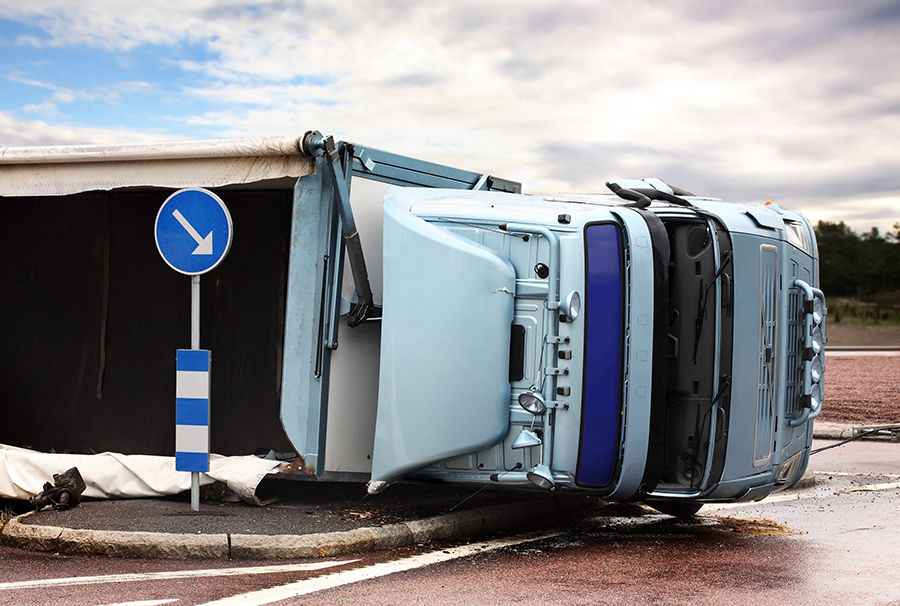
| Incident Recovery Logistics | |
|---|---|
| Phase 1: Stabilization | Medical triage and police scene documentation |
| Phase 2: Evidence | Accident reconstruction and liability determination |
| Phase 3: Negotiation | Demand letter issuance and settlement offers |
| Legal Protocol | Retention of specialized transport legal counsel |
1. Pre-Claim Logistics: Stabilization and Liability Data
Before initiating a formal claim, several prerequisite measures must be executed on the roads of the incident. Seeking immediate medical assistance and securing a police report are foundational logistical steps. Documenting the evidence—including vehicle positions and road conditions—allows for a precise determination of liability. These early actions form the technical basis for your legal defense and ensure that the recovery process is built on verified data.
2. Retention of Specialized Transport Counsel
Navigating the claims procedure requires professional expertise to manage the stress of litigation and maximize recovery. A specialized truck accident attorney guides the operator through each logistical step, from reviewing retainer agreements to formalizing the demand strategy. By limiting all communication to your legal team, you prevent insurance adjusters from the trucking company from obtaining statements that could inadvertently reduce the total asset recovery.
3. Evidence Logistics and Technical Investigation
Once the claim is initiated, both parties engage in an intensive data-gathering phase. This logistical investigation includes reviewing medical and police reports, performing accident reconstructions, and assessing physical damage to the vehicles. Meeting with insurance adjusters and collecting witness statements are critical tasks that provide the factual weight needed to support the claim. This technical analysis is what ultimately determines the financial value of the mission recovery.
4. The Demand Letter and Settlement Logistics
Following the evidence review, your counsel will issue a formal personal injury demand letter to the responsible entity. This document specifies a clear financial "demand" for compensation. Logistically, this informs the insurance providers of the conditions required for a release of liability. The trucking company's provider will then assess their exposure and either accept the terms or initiate a negotiation phase with counter-proposals to reach a settlement.
5. Trial Protocols and Final Adjudication
If the negotiation phase fails to yield a fair settlement, the logistical path leads to a trial. In this stage, your lawyer presents the gathered evidence to a jury to justify the reimbursement claims. This final adjudication phase is a high-stakes operational environment where the facts of the accident on the roads are analyzed to determine the final compensation amount, ensuring that the victim's rights are upheld through the legal system.
Conclusion: Mastering the Recovery Mission
Filing a truck accident claim is a rigorous logistical exercise that requires patience and professional guidance. By following these six strategic steps—from initial stabilization to final settlement—you ensure that the financial and physical impact of the accident is properly mitigated. Recovery is a mission that begins the moment the accident occurs. Plan your legal strategy, document your evidence, and focus on the road. Professional management is the key to reclaiming your future.
Image credit: Depositphotos