Driving Texas: Why Farm-to-Market Roads are Deadlier than Interstates
Texas has the second-largest population in the United States, but the real danger isn't found in the congested cities. While Interstates handle the most volume, Texas’s vast network of Farm-to-Market (FM) and state highways recorded the highest rates of fatal crashes. Understanding the unique infrastructure of the Lone Star State is key to surviving its rural corridors.
| Texas Road Risk Analysis | |
|---|---|
| Deadliest Road Type | U.S. and State Highways (Rural) |
| Highest Crash Rate | 4+ lanes, undivided urban roads |
| Annual Fatalities | 4,489 (2021 Benchmark) |
| Critical Month | August (Peak for lethal collisions) |
The Farm-to-Market Hazard
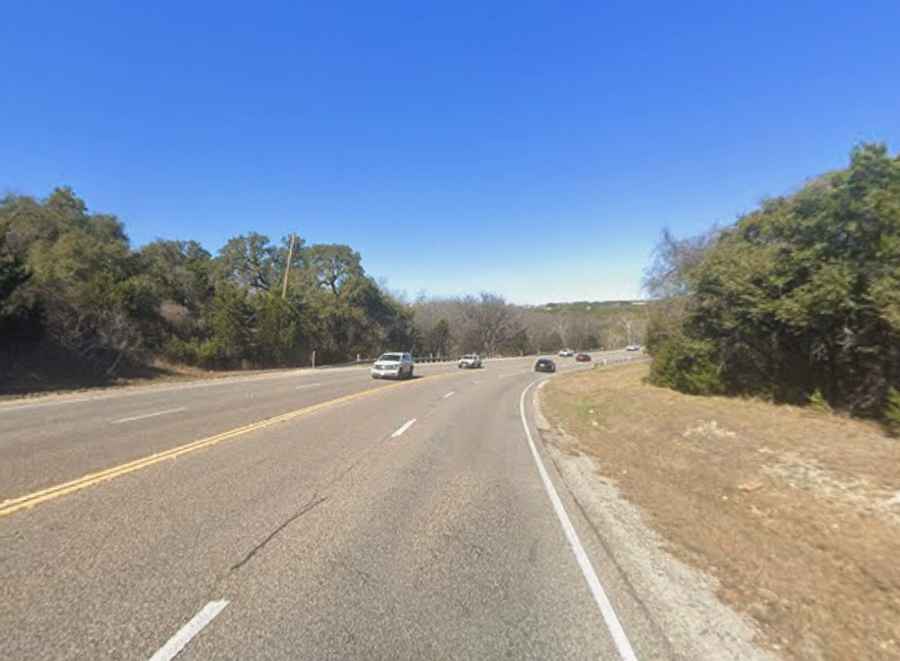
Data from the Texas Department of Transportation (TXDOT) reveals a stark contrast between road types. Rural "Farm-to-Market" roads have a significantly higher crash rate than Interstates. These roads often lack shoulders, feature sharp unbanked curves, and are frequented by slow-moving agricultural machinery. The "first harmful event" in many of these rural crashes involves vehicles losing control and overturning or striking fixed objects like trees or culverts.
Work Zone Vulnerability
Texas is in a constant state of infrastructure expansion. Work zones are a major primary crash factor due to unpredictable traffic patterns and narrowed rights-of-way. Dust, heavy machinery entering the flow of traffic, and sudden lane closures contribute to thousands of "on-system" crashes annually. Motorists often fail to adjust speeds to these modified environments, leading to high-impact rear-end collisions.
Vulnerable Road Users: Bikers and Pedestrians
While motor vehicles offer crumple zones and airbags, pedestrians and bikers in Texas face extreme risks. Statistics show that pedestrians are approximately nine times more likely to be killed in a collision than a cyclist. The lack of protected lanes on state highways means that even a low-speed impact from a commercial truck or a passenger car often results in serious or fatal wounds.
Historical Fatality Trends
Despite safety advancements, traffic deaths in Texas have seen a steady increase since 2012. Interestingly, even during the onset of the Covid-19 pandemic in 2020, traffic fatalities did not decrease, eventually spiking in 2021. This trend is attributed to higher average speeds on less congested roads and a decrease in law enforcement presence during peak hours.
Technical Driving Tips for Texas Highways
- Respect the FM Roads: Treat Farm-to-Market roads with the same caution as a mountain pass; the lack of shoulders leaves zero room for error.
- August Awareness: Be extra vigilant during August, statistically the deadliest month on Texas roads due to heat-related tire failures and peak travel.
- Work Zone Speed: Always drop below the posted limit in construction zones; Texas fines for work zone violations are among the highest in the U.S.
- Defensive Scanning: On undivided 4-lane roads, watch for "left-turn" traps where cars stop in high-speed lanes without protection.
Note: This data is based on official TXDOT records and historical crash analysis.