Car Modifications That Make Driving More Dangerous in the USA
Vehicle modification in the United States is often driven by aesthetic preference rather than engineering necessity. However, altering a vehicle’s factory specifications—specifically its suspension geometry, window transparency, and wheel diameter—can severely compromise its performance on technical roads. When navigating high-consequence environments, the margin for error is thin; a modification that prioritizes "status" over "dynamics" can transform a manageable transit into a catastrophic mechanical failure.
| Modifications vs. Technical Roads: Risk Data | |
|---|---|
| Oversized Tires | Increased unsprung mass & compromised steering response |
| Window Tinting | Reduced low-light VLT (Visible Light Transmission) |
| Lift Kits | Altered center of gravity & increased rollover risk |
| Aerodynamics | Spoilers must be engineered for downforce, not aesthetics |
1. Oversized Tires and Unsprung Mass
Installing enormous tires on a pickup or SUV may provide a rugged appearance, but it fundamentally alters the vehicle’s handling. On complex routes like Iron Mountain Road in South Dakota—which features over 300 curves—oversized wheels increase "unsprung mass," making the suspension less responsive to rapid topographical changes. This added weight puts immense strain on the braking system and steering rack, significantly increasing the risk of mechanical failure during emergency maneuvers.
2. The Logistics of Window Tinting and Visibility
While window tinting offers thermal protection in high-sun states, excessive darkening poses a critical safety risk. Visibility is a driver's primary tool for risk mitigation.
- The 70% Standard: Many states, including California, mandate a minimum of 70% Visible Light Transmission (VLT). Reducing this further compromises the driver’s ability to identify hazards like black ice, debris, or wildlife during dawn, dusk, or heavy precipitation.
- Insurance Implications: Insurers may flag excessively tinted windows as a "contributing factor" in collisions, potentially leading to denied claims if the reduction in sight is found to have hindered the driver's reaction time.
3. Aerodynamics and Spoilers: Functional Engineering
An incorrectly installed spoiler is more than a superficial accessory; it can negatively impact a vehicle's aerodynamics. A true spoiler is engineered to disrupt unfavorable air movement and, in some cases, provide downforce to improve high-speed maneuverability. When added without aerodynamic testing, these components can create drag or lift, altering the vehicle's stability at high velocities on exposed highway corridors.
4. The Perception of Color and Liability
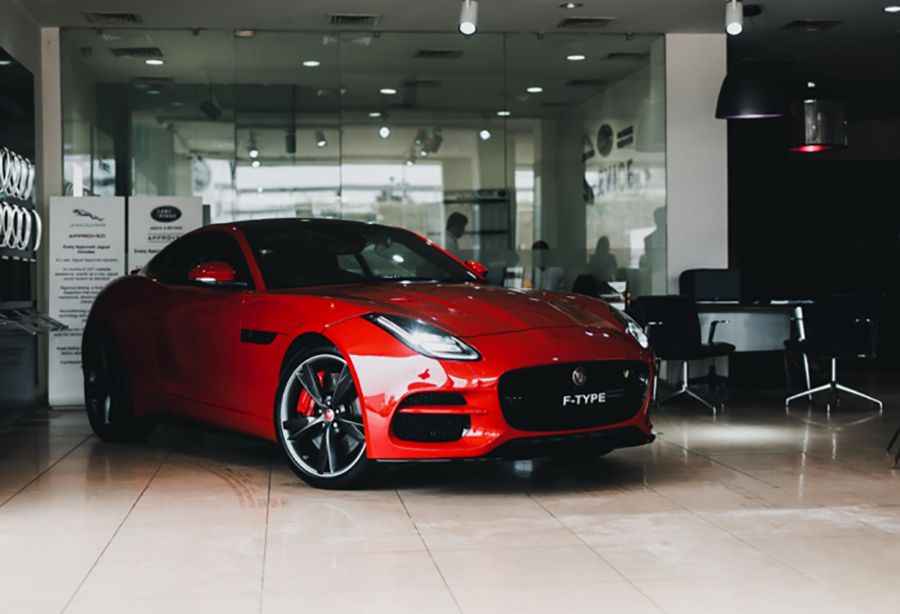
While the color of a vehicle does not affect its mechanical performance, it does influence its "visibility profile." High-visibility colors (white, silver, bright yellow) are statistically easier to detect in low-light conditions. Conversely, insurance providers and law enforcement often view high-saturation colors (like bright red) as an indicator of a higher-risk driving profile. While color choice is a personal preference, drivers of high-visibility vehicles must maintain a higher standard of technical skill to avoid unnecessary regulatory scrutiny.
Conclusion: The Strategy of Moderation
Modifying a vehicle for the most demanding roads in America requires a disciplined approach. Every alteration must be evaluated for its impact on safety, maneuverability, and legal compliance. By prioritizing functional upgrades—such as high-grade tires and engineered lighting—over purely aesthetic accessories, you ensure your vehicle remains an asset rather than a liability. On technical roads, the most attractive car is the one that successfully reaches its destination.