What are The Leading Causes of Car Accidents in the USA?
Car accidents are unfortunately common in the US. For instance, according to the Association for Safe International Road Travel, 37,000 people lose their lives in road crashes annually. In addition to that, 2.3 million people get injured or disabled from vehicle collisions.
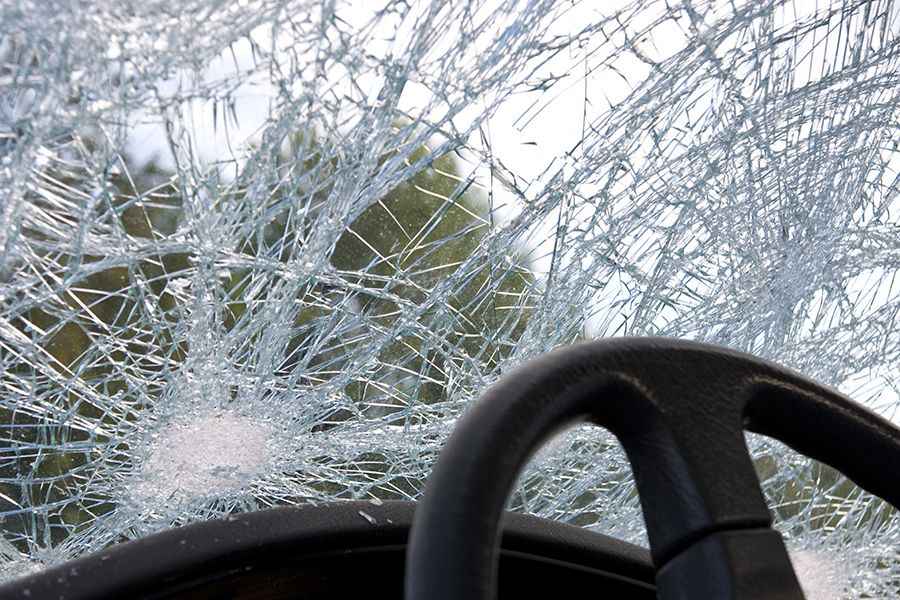
Therefore, all drivers need to follow all traffic rules to reduce the risk of causing crashes. There are several common car accident causes that you should know to reduce your risk of being involved in collisions:
Distracted driving
This is a major cause of vehicle collisions in the world. Distracted driving includes driving while eating, using the phone, talking to passengers, or driving while the music is blaring. Remember, the number one goal is to arrive safely to your destination and that may be hindered if you try to multitask while driving.
Speeding
This is one of the deadliest causes of vehicle crashes because it reduces the time you have to avoid a collision. Speeding greatly increases the risk of motor vehicle accidents and also increases the severity of the crash. When you remember to observe the speed limits and basic traffic laws, you will greatly reduce any risks of collisions.
Drunk driving
Driving while drunk is a major cause of collisions. The only way to prevent such collisions is to not drink and drive. Alternatively, you can designate a sober driver before you begin consuming alcohol.
Bad weather
Weather such as heavy rain, ice, snow, hail, fog, or high winds can make driving very difficult. You can drive carefully under such adverse conditions by obeying the speed limit and traveling only as fast as the current conditions allow. If the conditions are really bad, you can stop at a restaurant or rest stop until they improve.
Aggressive driving
Aggressive driving is driving in a very reckless and careless manner, posing a danger to other road users. It includes inattentive driving, texting while driving, speeding, not following traffic signals, aggressive tailgating, and failure to yield among others.
Bad roads
When roads are not properly maintained, they can cause crashes. People who have sustained injuries from collisions caused by road hazards can file a lawsuit against the owner of the road and the entity that was responsible for constructing and maintaining it.
Vehicle defects
Vehicles that have defects may malfunction and cause crashes. In such instances, the victim can hold the vehicle manufacturer liable for any damages.
Driving at night
When you drive at night, your visibility may be reduced, and this makes it harder to see obstacles. Drivers should ensure they use full lights while driving in the dark.
Conclusion
In conclusion, some crashes cannot be predicted, and a careful driver may be involved in a crash that was entirely caused by someone else. In such instances, the victim has the right to sue the negligent party and claim recovery of the damages incurred. However, many vehicle collisions can be avoided if all road users pay attention on the road, and avoid speeding, reckless driving, and drunk driving.
Image credit: Depositphotos