Exploring the Backroads: Why the USA is the Ultimate Training Ground for Adventure Drivers
Traveling the vast road network of the United States is more than a vacation; it’s a foundational experience for any aspiring adventure driver. From the desert tracks of the Southwest to the coastal shelves of the Pacific, the USA offers a diverse range of terrains that test your vehicle, your navigation skills, and your adaptability. For students and young travelers, hitting the road is the best way to gain high-mileage experience before tackling the world’s most dangerous international routes.
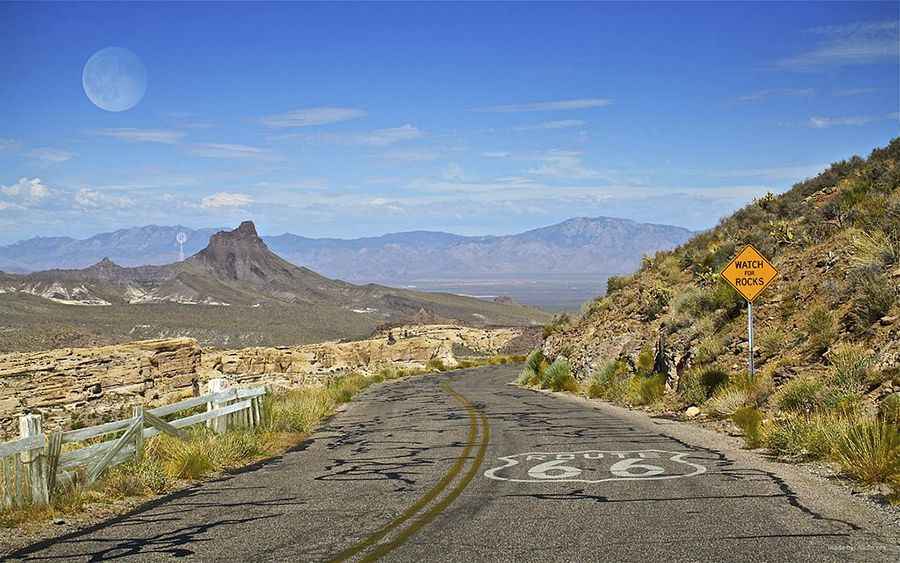
| USA Adventure Driving: Quick Facts | |
|---|---|
| Top Route | Pacific Coast Highway (PCH) - 655 miles |
| Iconic Distance | Route 66 (Chicago to L.A.) - 2,000+ miles |
| Terrain Diversity | Alpine, Desert, Coastal, and High Plains |
| Logistics | Extensive BLM land for free "boondocking" (camping) |
1. Access to World-Class Scenic and Technical Roads
The USA is home to some of the most geographically diverse roads on the planet. Whether you are seeking high-altitude challenges or coastal navigation, the infrastructure provides an incredible training ground. Key routes like the Pacific Coast Highway (PCH) offer stunning cliffside driving through Big Sur, while the transit from Phoenix to the Grand Canyon introduces drivers to the high-heat, high-elevation shifts of the Arizona desert.
2. Cost-Effective Overlanding
For those on a student budget, domestic road trips are significantly more affordable than international expeditions. By utilizing an AWD vehicle or a campervan, you can eliminate hotel costs by staying on Bureau of Land Management (BLM) lands. This "van-life" approach allows for long-duration travel (often months at a time) for a fraction of the cost of an overseas program, provided you manage your fuel and food logistics efficiently.
3. Building Long-Distance Driving Resilience
Crossing the United States is a test of endurance. Iconic journeys like Route 66 (Chicago to Los Angeles) cover over 2,000 miles of varying road conditions. For a new driver, managing these distances helps build "road stamina," teaching you how to monitor vehicle vitals (oil, coolant, tyre pressure) and how to handle fatigue during 8-10 hour driving days.
4. A Destination for Every Driving Style
The USA has a "black spot" or a scenic wonder for every interest. If you want to test your vehicle in extreme heat, the routes through Death Valley are peerless. If you prefer high-alpine technicality, the passes of Colorado and Alaska provide steep gradients and unpredictable weather even in summer. This variety allows you to customize your road trip to your specific skill level.
5. Developing Navigation and Self-Reliance
Venturing onto the backroads requires more than just following a GPS. Many of the most beautiful scenic routes in the West have zero cell coverage. Traveling these roads teaches you to use offline maps, understand topographical changes, and carry essential survival supplies—skills that are mandatory for anyone planning to tackle international dangerous roads in the future.
6. Improving Mechanical Adaptability
Being on the road inevitably leads to minor mechanical issues. Learning how to change a tyre on a gravel shoulder, jump-start a battery in the cold, or patch a small hose leak are "life skills" that every road traveler needs. The USA's accessible network of auto-parts stores makes it the perfect place to learn these DIY repairs before heading into truly isolated global regions.
7. Cultural Immersion through the "Melting Pot"
Driving through the small towns of the Midwest, the bayous of Louisiana, or the mountain villages of the Appalachians reveals a cultural depth often missed in major cities. This "cultural immersion" is the best way to understand the vastness and diversity of the country, turning a simple drive into a profound educational journey.
Ultimately, the American road system is a classroom without walls. By hitting the road, you gain the technical skills, the situational awareness, and the confidence needed to explore the farthest reaches of the globe.
