What are the deadliest roads in the United States?
While most American highways are built to high engineering standards, several routes across the country remain notorious for extreme fatality rates and severe environmental hazards. From frozen Arctic isolation to dense fog and high-speed desert corridors, these five highways present significant technical and logistical risks for drivers.
| Deadliest US Routes: Quick Stats | |
|---|---|
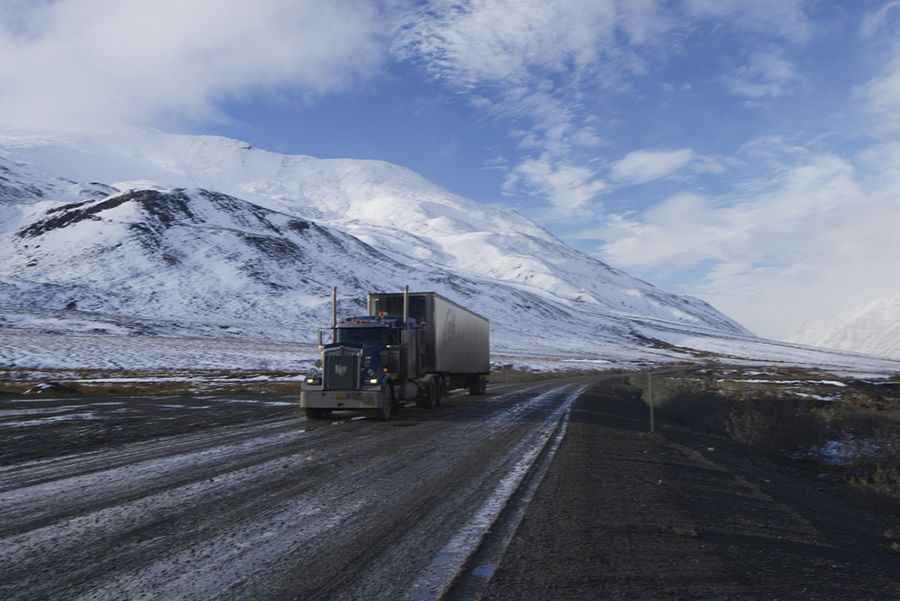
| Dalton Highway (Alaska) | 414 miles — Extreme Arctic isolation, unpaved gravel tracks, sub-zero ice storms |
| CA State Route 138 | Antelope Valley link — Steep mountain-to-desert grades, sharp unbanked curves |
| Interstate 15 (NV/CA) | 181-mile Mojave stretch — High-speed desert transit, extreme heat, heavy DUI rates |
| US Route 1 (Florida) | Overseas Highway sector — Narrow bridge passages, extreme tourist congestion |
| CA State Route 99 | Central Valley — Severe winter Tule fog, zero visibility, heavy freight traffic |
Why is the James W. Dalton Highway in Alaska extreme risk?
Stretching 414 miles from Fairbanks to Deadhorse, the James W. Dalton Highway (AK-11) is one of the most isolated supply corridors on Earth. Built to service the Prudhoe Bay oil fields, large unpaved stretches transform into slick mud tracks in summer and solid ice sheets in winter. With only three service stations along the entire route, a mechanical breakdown in sub-zero Arctic winds is a immediate life-threatening situation.
What makes California State Route 138 so hazardous?
Historically dubbed "Pearblossom Highway" or the "Death Road," SR-138 connects Interstate 15 with Palmdale through the rugged Antelope Valley. Despite ongoing lane expansions, the route’s steep mountain grades, blind crests, and sharp turns present high risks for drivers transitioning between high-speed interstate conditions and technical desert-mountain geometry.
How dangerous is Interstate 15 between Los Angeles and Las Vegas?
The 181-mile Mojave Desert crossing on Interstate 15 registers severe multi-vehicle fatalities annually. The hazards stem primarily from high speeds, driver fatigue on long straightaways, and severe desert heat that causes sudden tire blowouts and cooling system failures. Long distances between emergency medical facilities compound the severity of any highway collision.
Why does Florida’s US Route 1 have a high fatality rate?
The southern extension of US Route 1—particularly the Overseas Highway connecting mainland Florida to Key West—is a narrow, highly congested arterial. Flanked by open water and linked by a series of narrow bridges, the corridor leaves no room for evasive maneuvers. Heavy freight traffic combined with unfamiliar tourist drivers frequently leads to head-on collisions on undivided sections.
What are the hazards of driving California State Route 99?
Traversing California’s Central Valley, State Route 99 routinely records higher accident rates than neighboring Interstate 5. During winter months, dense Tule fog rapidly reduces visibility to near zero, causing major high-speed chain-reaction pileups. Outdated on-ramps, high commercial truck density, and intense agricultural traffic make it one of the state's most hazardous routes.
Image credit: Depositphotos