Survival guide to the 3 most dangerous highways in the USA
While the United States interstate network handles high-speed transit nationwide, specific routes like Interstate 26, Montana Highway 2, and Interstate 95 present severe physical and mechanical hazards. Off-track drop-offs, geographic isolation, and narrow road margins make these three highways among the most dangerous routes in the country.
| High-Fatality US Route Comparison | |
|---|---|
| Interstate 26 (South Carolina) | Steep unshielded ditch drop-offs, hydroplaning risk, roll-over terrain |
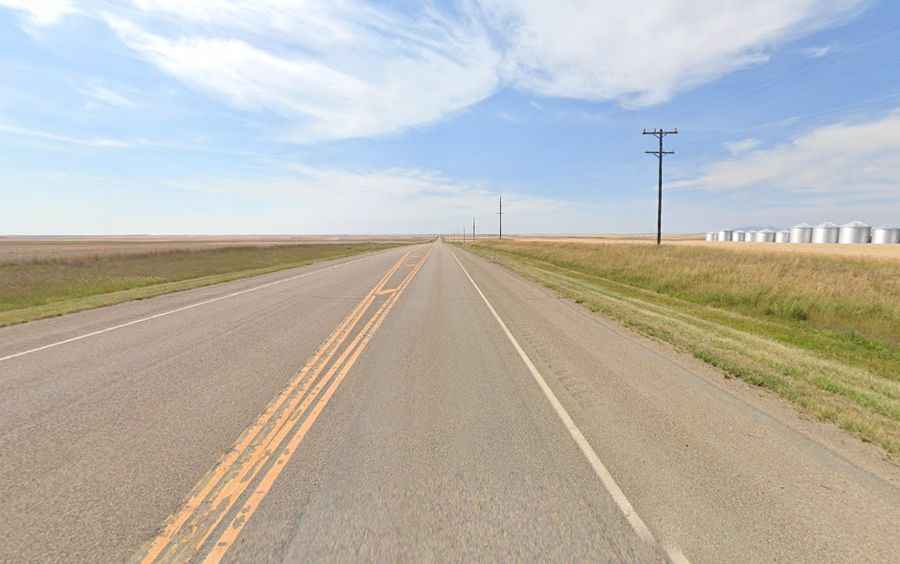
| Montana Highway 2 | Extreme isolation, 80+ minute emergency response times, wildlife strikes |
| Interstate 95 (East Coast) | Sub-meter shoulder widths, high commercial truck density, secondary crashes |
Why is Interstate 26 in South Carolina dangerous?
The primary hazard on Interstate 26 through South Carolina is the lack of physical safety barriers along steep roadside terrain. Multiple sections feature deep drainage ditches, unshielded trees, and sharp embankments running directly alongside the tarmac. Sudden heavy rains cause rapid hydroplaning, sending vehicles off the pavement into steep drop-offs where high-speed rollovers occur without protective guardrails.
Why is Montana Highway 2 high risk for mechanical failure?
Montana Highway 2 spans the remote northern plains and mountain passes of the state, where the main hazard is geographic isolation. Long stretches leave drivers over 80 minutes away from the nearest medical or mechanical response unit, with intermittent cellular coverage. High speed limits combined with frequent wildlife crossings—specifically deer and elk—create severe impact hazards where a disabled vehicle leaves occupants stranded far from assistance.
Why do narrow shoulders cause crashes on Interstate 95?
Interstate 95 is the main north-south freight route on the US East Coast, carrying intense high-speed traffic and heavy commercial semi-trucks. Along several key sectors, outer and inner shoulder widths are reduced to under one meter. A breakdown or flat tire leaves stopped vehicles protruding directly into active traffic lanes, significantly increasing the probability of high-speed rear-end and secondary collisions.