Planning a Trip to the Silver State? What Are the Most Common Causes of Accidents on Nevada Roads?
Nevada’s vast open spaces and iconic transit corridors make it a primary destination for long-distance road missions. However, the unique geography of the state—combining high-density tourist zones like Las Vegas with desolate desert highways—presents significant operational risks. Maintaining safety on these roads requires more than just basic driving skills; it demands a technical understanding of vehicle integrity and environmental hazards. This guide analyzes the primary catalysts for collisions in Nevada and provides professional protocols to ensure a zero-incident journey across the state.
| Nevada Road Safety Audit | |
|---|---|
| Technical Failure Risk | Vehicle defects (40% of motorcycle incidents) |
| Human Error Factors | Speeding, DUI (BAC ≥ .08%), and Inexperience |
| Environmental Hazard | Flash floods and sudden icing in high-altitude passes |
| Legal Resource | Uninsured motorist coverage counsel (Las Vegas/Reno) |
Mechanical Integrity: Mitigating Risks of Vehicle Defects
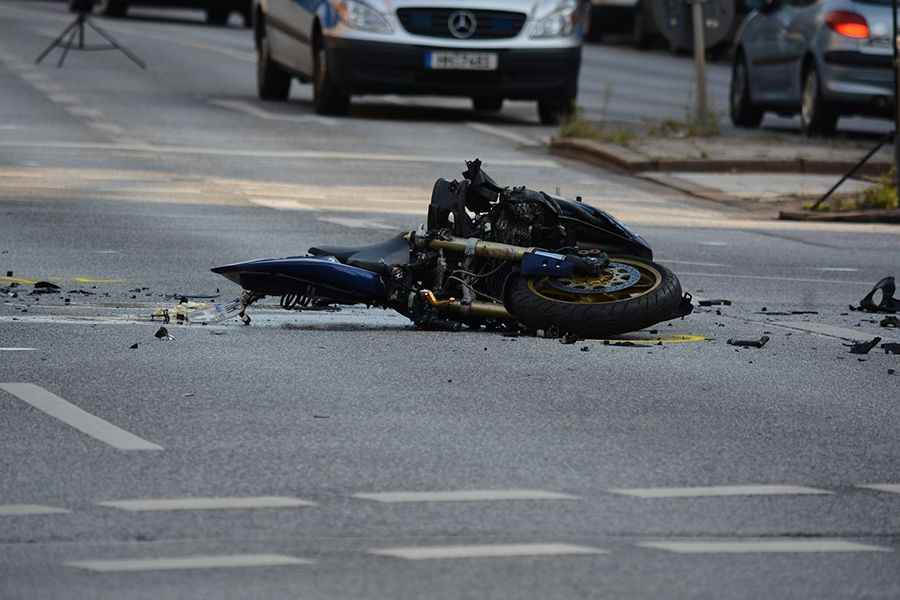
In Nevada, technical failures such as faulty braking systems or compromised tire integrity are leading causes of accidents, particularly for motorcycles. Statistical data indicates that nearly 40% of motorcycle collisions on state roads involve equipment defects. A professional pre-trip inspection by a qualified mechanic is a mandatory logistical protocol. Ensuring that all mechanical systems are optimized before entering remote desert stretches is the only way to prevent catastrophic failures far from service hubs.
Velocity and Impairment: Navigating Regulatory Compliance
Speeding remains a factor in nearly one-third of fatal crashes in the state. Nevada’s long, straight highways often tempt drivers to exceed safe velocity limits, leading to a loss of vehicle control. Furthermore, driving under the influence (DUI) with a BAC of .08% or higher is a severe criminal offense that compromises cognitive decision-making. Professional operators must adhere to strict speed logistics and zero-tolerance impairment policies to maintain safety standards on the roads.
Environmental Volatility and Defensive Driving Protocols
While Nevada is predominantly arid, weather conditions like sudden rain or winter ice in mountain passes create high-risk environments. Motorcycles are especially vulnerable, with 60% of incidents occurring during wet weather. Additionally, reckless behaviors such as tailgating and aggressive lane changes exponentially increase the probability of an accident. Defensive driving—anticipating the errors of inexperienced or distracted drivers—is a critical skill for navigating the complex traffic flow of Nevada’s urban and rural networks.
Logistics of Legal Recovery Post-Accident
In the event of a collision, especially one involving an uninsured motorist, securing professional legal counsel is a vital part of the recovery process. Specialized lawyers in Las Vegas, Henderson, or Reno provide the expertise needed to navigate Nevada’s insurance laws and secure fair compensation for medical and mechanical damages. Documenting the incident and engaging legal support immediately ensures that the financial impact of a road failure is mitigated through professional claims management.
Conclusion: Achieving Operational Excellence in Nevada
Safety on Nevada roads is the result of rigorous preparation and disciplined execution. By inspecting your equipment, respecting speed logistics, and maintaining situational awareness, you significantly reduce your risk profile. Nevada offers some of the most beautiful scenic drives in the country, but they demand respect and professional conduct. Plan your transit, verify your technical status, and focus on the road. Safety is the foundation of every successful mission.