Motorcycle Safety: Managing Risks and Incidents on North Carolina Roads
Driving a motorcycle on the diverse roads of North Carolina—from the steep curves of the Blue Ridge Parkway to the busy streets of Charlotte—requires a high level of skill and preparation. Due to the lack of physical protection, motorcyclists face much higher risks than car drivers. When an incident occurs, the logistical and legal consequences can be severe. This guide analyzes how to maintain safety on the road and how to handle the aftermath of a crash with professional discipline.
| NC Motorcycle Safety & Logistics | |
|---|---|
| High-Risk Areas | Mountain passes and urban intersections |
| Safety Protocol | Defensive positioning and high-visibility gear |
| Incident Management | Documentation of road conditions and mechanical state |
| Legal Support | Specialized NC attorneys for motorcycle-specific laws |
1. Navigating Dangerous Roads in North Carolina
North Carolina offers some of the best driving roads in the US, but they are often hazardous. Sharp turns, changing elevations, and unpredictable weather in the mountains can lead to loss of control. In urban areas like Charlotte, heavy traffic and distracted drivers increase the risk of collisions at junctions. Motorcyclists must use defensive driving techniques, constantly monitoring the road surface for oil, gravel, or debris that could compromise tire grip.
2. What to Do After a Road Incident
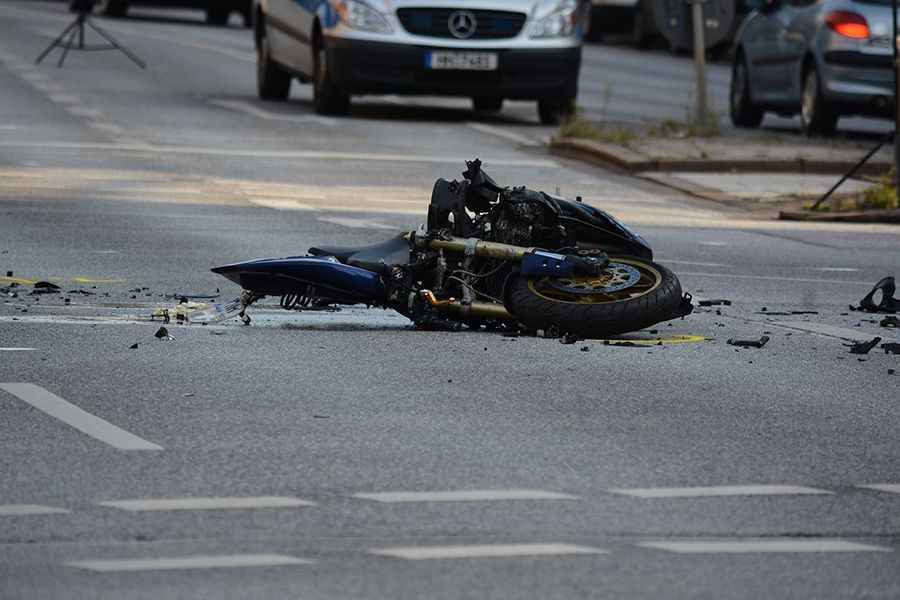
If you are involved in a crash, staying calm is the first step to managing the situation. Move to a safe area away from traffic flow if possible. Beyond checking for injuries, it is vital to document the scene professionally. Take photos of the road conditions, any skid marks, and the position of the vehicles. This data is critical for any future mechanical audit or legal claim. In North Carolina, understanding the specific rules of the road is essential for protecting your rights after an accident.
3. Selecting Professional Legal Representation
Because motorcycle accidents are complex, you may need an attorney who understands the specific mechanics of riding. When looking for a lawyer in North Carolina, check their track record with motorcycle cases specifically. You need someone who understands how road design and vehicle dynamics play a role in a crash. Research their credentials through the state bar association and read reviews from other riders to ensure they have the experience required for high-stakes cases.
4. Mechanical Integrity and Preventive Safety
Many accidents on the road are caused by mechanical failure. Regular maintenance of your motorcycle—including brake inspections, tire tread checks, and chain tension—is a vital safety protocol. A well-maintained bike responds better in emergency maneuvers. Additionally, always wear professional safety gear. Helmets and reinforced clothing significantly reduce the severity of injuries if you go down on the asphalt.
Conclusion: Discipline and Preparation
Safety on North Carolina’s roads is a matter of discipline and constant awareness. By practicing defensive driving and keeping your motorcycle in peak condition, you reduce the chances of a serious incident. If a crash does happen, having a clear plan for medical, mechanical, and legal response is your best safety net. Respect the power of the road, stay alert, and ensure you have the right support team behind you. Safe driving is the key to enjoying every mile of your journey.