6 Tips for Making Sure You Are Well-Prepared for a Flat Tyre on a Road Trip in the USA
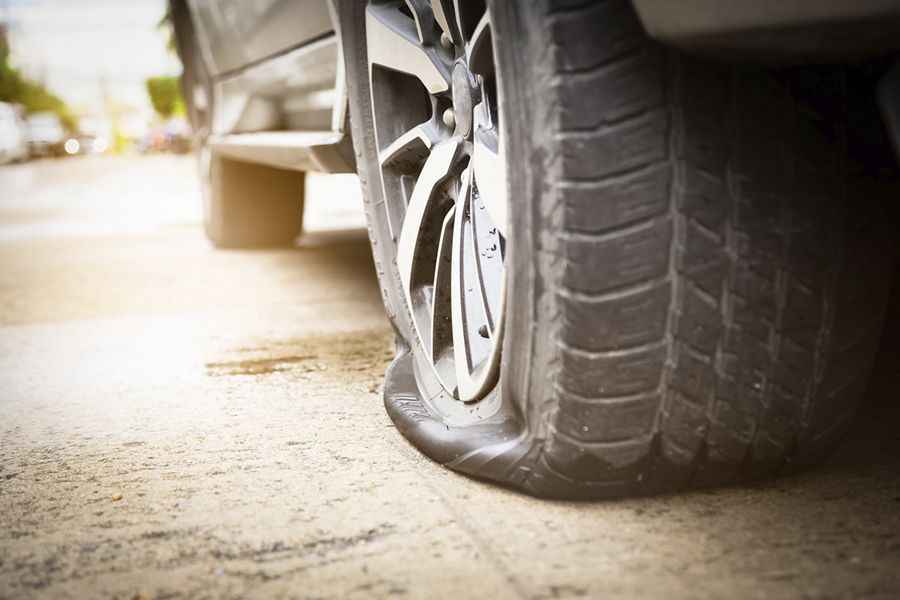
A tyre failure on a high-consequence route—such as the gravel-heavy Dalton Highway or the sharp volcanic tracks of the Mojave Desert—is a critical operational risk. Unlike standard highway driving, a flat tyre in remote sectors of the USA demands total mechanical autonomy. Continuing to operate a vehicle on a compromised carcass not only destroys the wheel rim but can lead to catastrophic lateral instability. Preparedness in these zones is defined by the quality of your recovery gear and your ability to execute repairs in hostile environments.
| Tyre Management: Technical Benchmarks | |
|---|---|
| Critical Equipment | High-lift jack, heavy-duty plug kit, and 12V compressor |
| Pressure Strategy | PSI optimization based on terrain (Sand vs. Sharp Rock) |
| Spare Requirement | Full-size matching spare (Avoid "donuts") |
| Monitoring Tech | TPMS (Tyre Pressure Monitoring System) calibration |
1. Professional Recovery and Repair Kit
In the "no-service" zones of the American West, a basic factory tool kit is insufficient. You require a heavy-duty tyre plug kit (for tread punctures), a valve stem tool, and a high-capacity 12V air compressor. Understanding the difference between a temporary sealant fix and a permanent vulcanized plug is essential for maintaining progress on unpaved roads where secondary punctures are statistically probable.
2. PSI Optimization and Thermal Management
Under-inflation is a primary cause of tyre delamination due to excessive heat buildup in the sidewalls. Before an expedition, verify your cold inflation pressures. On corrugated gravel roads, slightly reducing PSI can increase the contact patch and reduce the risk of impact punctures, but this must be balanced against the risk of rim damage. Conversely, over-inflation reduces traction and makes the tyre more susceptible to "sharp object" penetration.
3. The Full-Size Spare Imperative
Many modern SUVs and crossovers are equipped with "temporary use" spare tyres (donuts). These are strictly prohibited for use on dangerous roads. A temporary spare lacks the load rating and sidewall strength required for mountain gradients or loose surfaces. Always carry at least one (ideally two for Arctic routes) full-size matching spare tyre, pre-balanced and inflated to maximum operating pressure.
4. Pre-Expedition Structural Inspection
A flat tyre often starts as an ignored structural flaw. Inspect for "dry rot" (cracking in the rubber), sidewall bulges (indicating internal belt failure), and uneven tread wear (alignment issues). On technical routes, the stress on the suspension and steering rack is magnified; ensuring your tyres are in peak condition is the only way to mitigate the risk of a high-speed blowout.
5. Navigational and Emergency Redundancy
If a tyre failure occurs in a "Dead Zone," GPS signal loss is common. Carrying physical topographic maps of your route is a non-negotiable safety protocol. Additionally, ensure you have satellite-based communication (like a PLB or satellite messenger) to coordinate with recovery services if the mechanical failure exceeds your field-repair capabilities. SOS flares and high-visibility markers are essential for roadside safety during night-time repairs.
6. Winter and Extreme Surface Variables
Repairing a tyre in sub-zero temperatures or during a snow event on a mountain pass like Hoosier Pass adds significant complexity. Tools become brittle, and hydraulic jacks can fail. Ensure your vehicle is equipped with a stable jacking base (like a plywood board) to prevent the jack from sinking or slipping on frozen or soft ground. Always perform a test jacking procedure before entering the wilderness.
Conclusion: The Mechanics of Survival
On America's most dangerous roads, a tyre is not just a rubber component; it is the final link in your vehicle's safety chain. By prioritizing high-grade repair equipment, maintaining strict pressure protocols, and ensuring mechanical redundancy, you transform a potential emergency into a manageable logistical delay. Respect the terrain, monitor your telemetry, and never underestimate the destructive power of a single sharp stone.