What are the driving risks and road regulations in Louisiana’s bayou corridors?
Navigating the interstate corridors and swamp-side tracks of Louisiana requires more than just mechanical preparation; it demands a strict adherence to local road safety protocols. In the southern United States, Louisiana's intoxication laws are among the most rigorously enforced, creating a high-risk environment for drivers who fail to manage personal and vehicle sobriety within the 0.08% BAC threshold.
| Louisiana Road Logistics: Safety Thresholds | |
|---|---|
| Legal BAC Limit | 0.08% (Mandatory enforcement) |
| Implied Consent | Mandatory chemical testing upon stop |
| Core Risk | DWI involving alcohol, prescription, or illicit drugs |
| Transit Hazard | High-intensity patrols in bayou crossings |
What is the Implied Consent Law for overlanders in Louisiana?
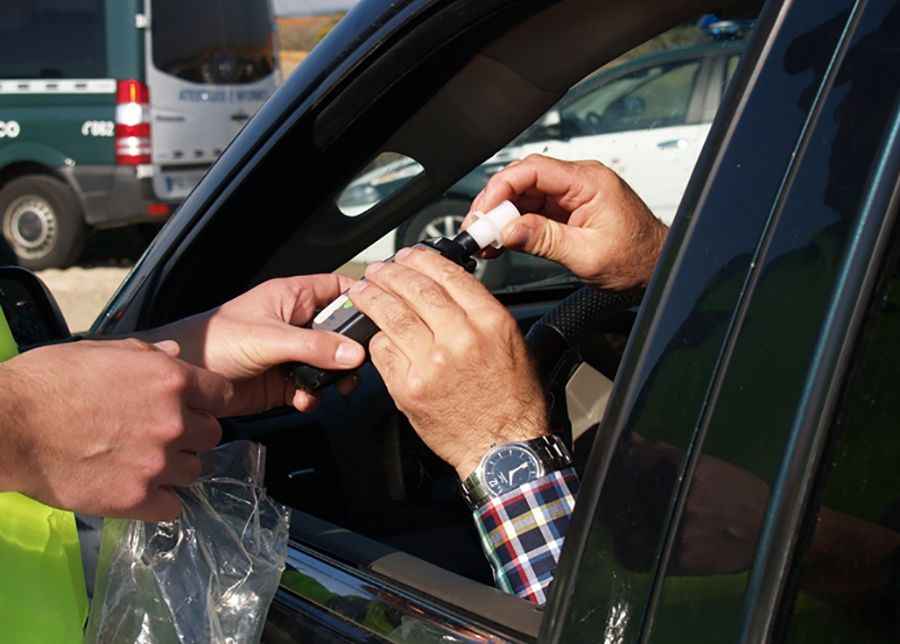
In Louisiana, the act of operating a vehicle on any public roadbed constitutes an automatic implied consent to chemical testing. Technically, if an officer identifies probable cause on a remote bayou road or a major interstate, refusal to submit to a breathalyzer or blood test results in immediate administrative suspension of driving privileges. For long-distance travelers, this represents a major logistical failure, as the vehicle can be seized, leaving the crew stranded in isolated sectors of the state's road network.
How to manage road safety and substance impairment?
The technical definition of a DWI in Louisiana extends beyond alcohol. Logistically, any substance that degrades reaction time or motor functions—including prescription medications or over-the-counter suppressants—is categorized as an impairment hazard. Navigating complex road environments like the Atchafalaya Basin Bridge demands peak perception; driving under the influence of marijuana or high-dose medication is prosecuted with the same severity as alcohol, as it compromises the driver's ability to maintain lane integrity on narrow, water-flanked infrastructure.
What are the logistical consequences of a DWI on a road trip?
Louisiana utilizes a progressive penalty system that can terminate any expedition. A first-time conviction can lead to six months of incarceration and the permanent seizure of the vehicle in felony cases (third offense). For professional drivers, the risk of a criminal record and the immediate loss of transit capability makes total sobriety the only viable technical choice. Safety protocols for those traversing the state emphasize zero consumption, as even a 0.02% BAC can trigger an arrest for drivers under 21 under the state's Zero Tolerance policy.
Conclusion: Maintaining Compliance on Louisiana’s Infrastructure
The complexity of Louisiana's road statutes reinforces the need for professional conduct behind the wheel. Whether you are managing the technical demands of rural dirt tracks or the high-speed transit of the interstate grid, the logistical risks of legal impairment are a definitive threat to any journey. Respecting the 0.08% limit and understanding the procedural reality of Implied Consent ensures that your transit through the state is defined by technical execution rather than legal complications.