4 Reasons to Utilize an RV on Remote Roads
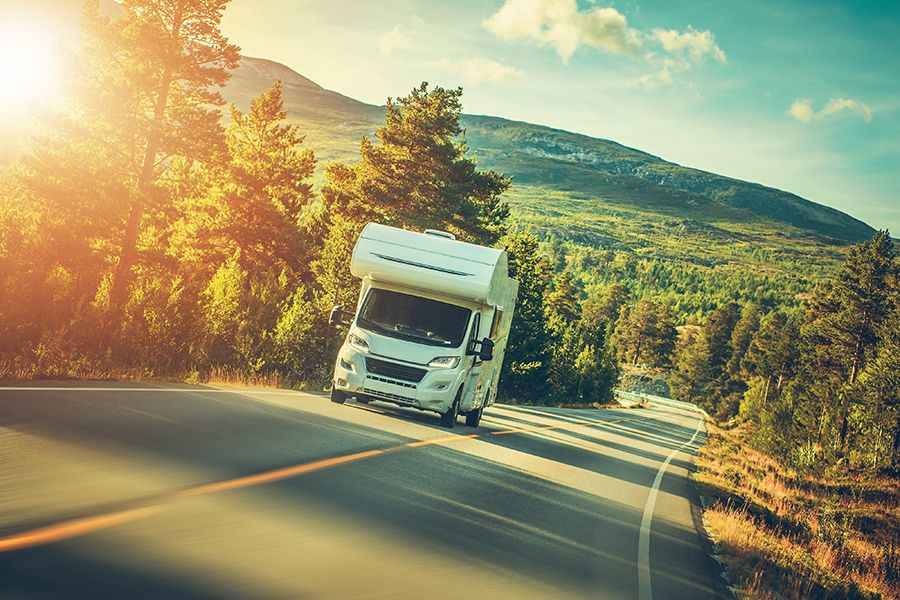
Operating a Recreational Vehicle (RV) across the expansive road networks of the United States is a strategic decision that fundamentally alters the logistics of an expedition. Moving beyond the limitations of standard passenger vehicles, an RV functions as a mobile base of operations, providing autonomy in regions where traditional infrastructure is non-existent. However, navigating high-consequence roads with a high-profile, heavy-tonnage vehicle requires a technical understanding of weight distribution, clearance geometry, and braking endurance.
| RV Expedition: Operational Parameters | |
|---|---|
| Logistical Autonomy | Integrated life-support (Water, Food, Power) |
| Technical Constraint | High center of gravity & vertical clearance limits |
| Braking Protocol | Mandatory engine braking on steep gradients (Grade braking) |
| Range Strategy | Self-contained pernoctation in National Park grids |
1. Autonomy in Isolated Transit Zones
The primary advantage of an RV on remote roads is the elimination of "hospitality dependency." By integrating a kitchen and sleeping quarters, the vehicle allows for extended stays in high-isolation areas where hotels are non-existent. This logistical self-sufficiency is critical when navigating long-haul routes like the Alaska Highway, where planning stops around fixed infrastructure can compromise the expedition's flexibility and safety windows.
2. Management of Kinetic Energy and Braking
Unlike a standard car, an RV’s mass creates significant challenges on mountainous descents.
- Thermal Brake Management: Continuous use of service brakes on long descents leads to "brake fade" and potential system failure. Drivers must utilize low-range gearing and exhaust brakes to maintain a safe velocity.
- Dynamic Stability: The high center of gravity makes RVs susceptible to "crosswind push" and lateral instability on off-camber curves. A disciplined approach to cornering speeds is essential to prevent rollover incidents on technical mountain passes.
3. Strategic Flexibility and Weather Windows
Traveling with an RV provides the ability to adjust the itinerary based on real-time meteorological data. If a mountain pass becomes impassable due to sudden snow or rockfall, the RV allows the team to "hunker down" safely without the pressure of reaching a pre-booked destination. This flexibility is a vital tool for risk mitigation on roads prone to rapid environmental shifts.
4. Tactical Integration with the Overlanding Community
Utilizing established campsite grids within National Parks offers more than just a place to park; it provides access to a network of high-experience travelers. Exchanging real-time road condition data with other operators is a form of "human telemetry" that can alert you to washouts, bridge closures, or wildlife hazards that have not yet been updated in digital navigation systems.
Conclusion: The Strategy of the Mobile Base
Renting an RV for a major U.S. road trip is a tactical upgrade that demands a professional mindset. It offers unparalleled autonomy and comfort, but at the cost of increased mechanical complexity and reduced maneuverability. By prioritizing braking protocols and geometric awareness, the expeditionary driver can leverage the RV's strengths to conquer some of the most remote and challenging roads on the continent. In the wilderness, your vehicle is your fortress; ensure you have the technical skill to command its mass.