6 Safe Driving Tips for Winter in the US
Winter driving across the United States has become increasingly unpredictable, with extreme weather patterns affecting regions from the Sierra Nevada to the southern plains. Operating a vehicle in sub-zero conditions requires a fundamental shift in driving mechanics and logistical preparation. Whether managing high-altitude mountain passes or ice-covered interstates, a professional approach to traction control and visibility is the only way to mitigate the inherent risks of winter road networks.
| Winter Road Operations: Safety Matrix | |
|---|---|
| Surface Hazard | Black ice (invisible slick spots) and packed snow |
| Traction Strategy | Winter-rated tires and progressive braking |
| Visibility Protocol | Total snow removal (roof, lights, and windows) |
| Survival Logistics | On-board emergency kit for 24h+ isolation |
1. Ensuring Total Field of Vision
Visibility is the primary requirement for safe winter driving. Accumulations of snow and ice on the vehicle body create dangerous blind spots and can dislodge during transit, hazarding trailing motorists. A professional operator clears all snow from the roof, hood, and light clusters before engaging the engine. Maintaining clean sensors and cameras is also vital, as ice buildup can interfere with the vehicle's driver-assist telemetry and safety systems.
2. Technical Braking and Skid Control
Snow and "black ice" drastically reduce the coefficient of friction on the road. When driving these roads, heavy or panic braking often induces a total loss of directional control. The correct technical response to a skid is to ease off the pedals and steer gently into the direction of the slide, allowing the tires to regain grip. At intersections and stop lights, where ice frequently polishes into a slick surface, you must initiate a progressive braking sequence much earlier than in dry conditions.
3. Pre-Trip Environmental Intelligence
The most effective way to manage winter risk is to avoid high-hazard windows. Professional drivers monitor real-time weather telemetry and road department alerts (DOT) before departure. If conditions indicate severe icing or whiteout potential, delaying the mission is the standard safety protocol. Utilizing online traffic cams and meteorological data allows for better route selection, avoiding steep gradients or unsalted secondary roads that may be impassable.
4. Mechanical Traction Requirements
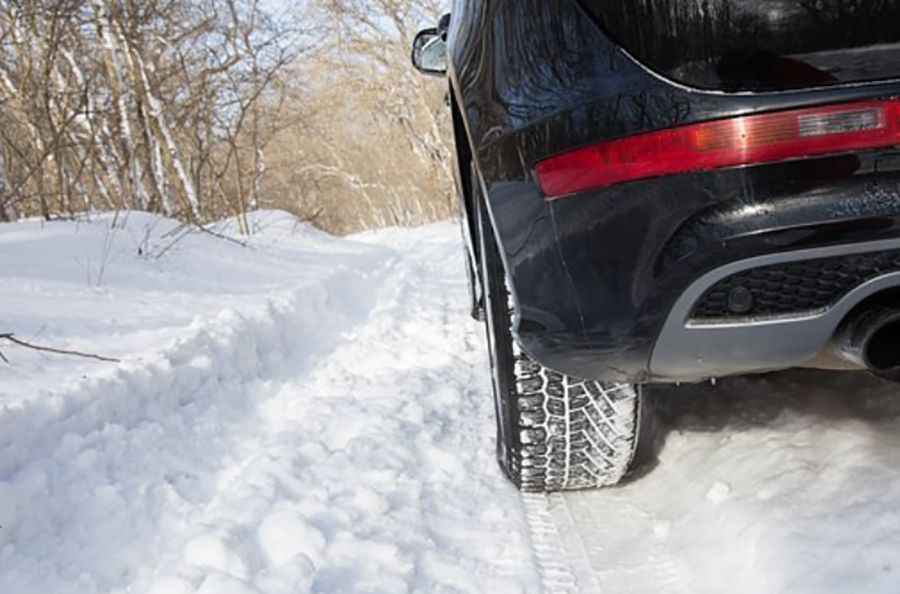
Tire integrity is non-negotiable for winter road safety. Standard all-season tires often lose flexibility and grip in sub-zero temperatures. If you frequently operate in winter environments, switching to dedicated winter tires—engineered with specialized rubber compounds and deep sipes—is essential for maintaining control. Verifying tire pressure is also critical, as cold temperatures cause a drop in PSI, affecting the contact patch and the vehicle's overall stability.
5. Velocity Management and Following Distance
Excessive speed is the leading cause of winter road fatalities. Because stopping distances can increase by up to ten times on ice, maintaining a low velocity is mandatory. When driving in snow, you must increase the following distance to allow for a wide margin of error. Avoid using cruise control on slick surfaces, as the system may attempt to accelerate during a loss of traction, further destabilizing the vehicle.
6. Survival Gear and Emergency Readiness
Even with advanced driving skills, mechanical failure or road closures can leave a driver stranded. A professional winter emergency kit is a requirement for any long-distance transit. This kit should include a foldable shovel, flares, thermal blankets, and high-calorie rations. Having the tools to manage a 24-hour isolation period ensures that an off-road incident remains a manageable event rather than a life-threatening crisis.
Conclusion: The Standard of Winter Driving Discipline
Winter roads punish a lack of preparation and overconfidence. By applying these six operational tips—from technical skid control to rigorous vehicle maintenance—you maintain control over an unforgiving environment. Driving in winter is an exercise in patience and mechanical respect. Slow down, stay alert, and ensure your vehicle is equipped to handle the extreme demands of the season. Every mile on ice requires your total focus.