Scenic Driving: Top Routes for a Fall Drive in the Western USA
The Western United States offers some of the most technically rewarding and visually striking roads in the country. Fall is the optimal window for driving these roads, as cooling temperatures and changing foliage create a unique environment for long-distance transit. From high-altitude alpine loops to exposed desert tracks, mastering these scenic roads requires a professional approach to vehicle handling and route timing to avoid peak congestion and seasonal weather shifts.
| Western Scenic Roads: Route Metrics | |
|---|---|
| Cascade Range (OR) | Central Oregon mountain roads; high visibility of autumn foliage |
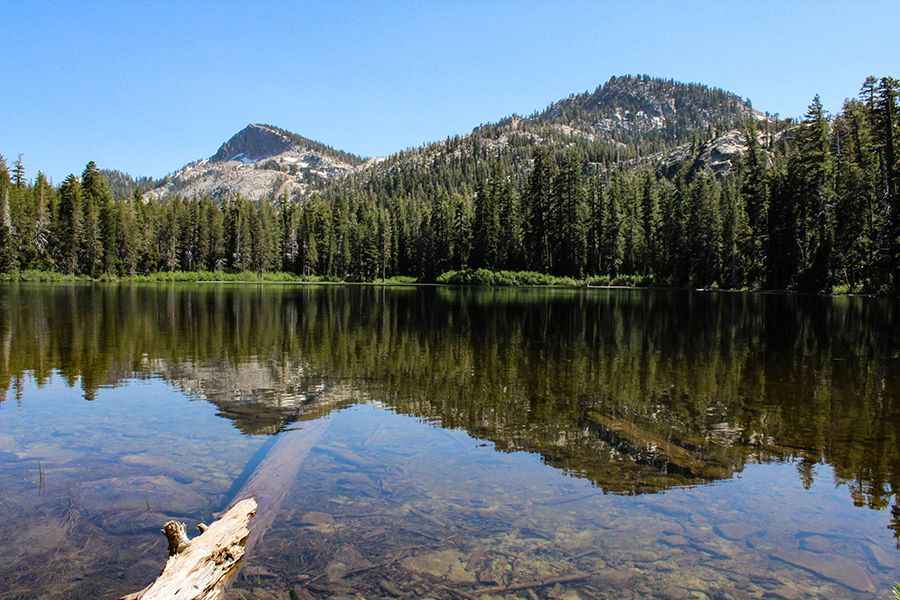
| Lake Tahoe (CA) | High alpine driving; steep gradients and technical lakeside curves |
| Arches & Joshua Tree | Desert road logistics; extreme thermal exposure and red-rock terrain |
| Crater Lake (OR) | Rim Drive; 2,000 ft depths and high-altitude caldera loops |
Why is driving the Cascade Range in Oregon a fall priority?
Located east of the Cascades, the roads around Bend, Oregon, offer a premier driving experience during the autumn months. The transition of the foliage combined with clear mountain views provides excellent visibility for motorists. However, the secondary roads in Central Oregon can be unpredictable; professional drivers should be aware of wildlife movement and the potential for early frost on higher elevation segments of the road.
What are the technical demands of driving the Lake Tahoe alpine loop?
Driving the roads of Lake Tahoe involves navigating one of the highest alpine environments in the U.S. The road network surrounding the lake features steep gradients and sharp, technical hairpins that test a vehicle's braking and cooling systems. While the scenery is tranquil, the driving is intense; maintaining a disciplined pace is essential to manage the heavy tourist traffic and the frequent changes in road surface quality at high altitudes.
How to manage desert road logistics in Arches and Joshua Tree?
Desert expeditions like driving the roads of Arches National Park in Utah or Joshua Tree in California require a focus on vehicle autonomy. Arches features narrow roads flanked by massive sandstone structures, requiring total focus on vehicle dimensions. In Joshua Tree, the fall weather remains warm, which is ideal for maintaining tire temperature, but the isolation of these desert roads means you must have a solid fuel and water strategy before leaving the main highway.
What makes the Crater Lake Rim Drive a unique high-altitude challenge?
The Rim Drive around Crater Lake is a high-altitude loop that circumvents a six-mile-wide caldera. Driving this road means operating at nearly 8,000 feet, where engine performance can be affected by the thinner air. The road offers jaw-dropping views of the deepest lake in North America, but the focus must remain on the narrow lanes and steep drop-offs. It is a technical route that requires precise steering and constant monitoring of the road's edge.
Can urban-adjacent roads like Piestewa Peak offer a real driving experience?
Scenic driving doesn't always require remote isolation. Driving the roads near the Phoenix Mountain Preserve, specifically toward Piestewa Peak, allows for a rapid transition from urban grid to mountain terrain. These roads offer panoramic views of the Greater Phoenix area. For a professional driver, this is an exercise in managing urban-to-mountain transitions, where the road's incline increases sharply while transitioning from city pavement to rugged preserve boundaries.
Conclusion: The Professional Standard of Scenic Road Travel
Exploring the Western United States is a matter of matching your driving skills to the terrain. Whether you are driving alpine loops in Oregon or driving desert tracks in Utah, the goal is a safe and disciplined arrival. By prioritizing vehicle health and route logistics, you turn a simple getaway into a successful road expedition. Respect the gradients, monitor your telemetry, and master every road you encounter.