Technical Selection: Choosing the Right Vehicle for High-Risk Off-Roading
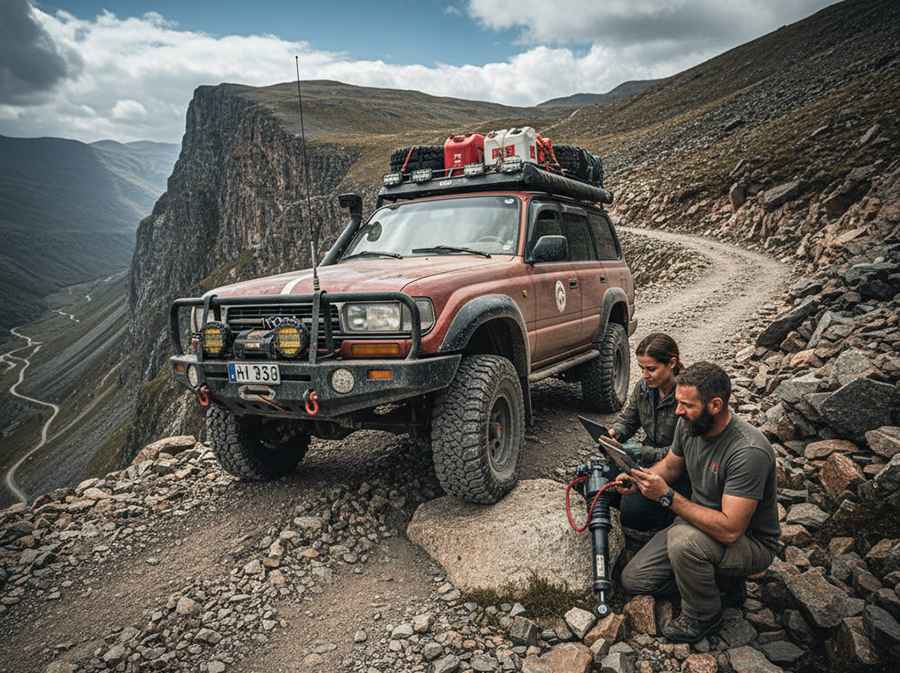
In regions dominated by dangerous roads and unpredictable terrain, the vehicle you choose is your most important piece of survival equipment. Whether you are looking for a new franchise model or a specialized second-hand build, understanding the technical requirements of off-road performance is essential. Selecting the wrong vehicle in these areas isn't just a bad investment—it's a safety hazard.
| Off-Road Vehicle Selection Criteria | |
|---|---|
| Drive System | True 4WD with low-range transfer case |
| Clearance | Minimum 8-10 inches of ground clearance |
| Traction Aids | Locking differentials (Center, Rear, or Front) |
| Reliability | Proven mechanical record in extreme climates |
1. Assess the Terrain, Not Just the Market
Before selecting a vehicle for off-road use, you must assess the specific demands of your geography. Are you facing the deep mud of tropical rainforests or the sharp rocks of high-altitude deserts? Consumer preferences often lean towards aesthetics, but for dangerous roads, you must prioritize function. Look for vehicles with proven approach and departure angles that prevent the chassis from bottoming out on steep technical inclines.
2. Budgeting for Modifications and Maintenance
The purchase price of an off-road vehicle is only the beginning. Whether buying from a new franchise or a used dealer, you must budget for essential "expedition-ready" upgrades. This includes heavy-duty suspension kits, skid plates for underbody protection, and reliable recovery gear. In high-risk areas, inventory acquisition should also include a stock of critical spare parts, as supply chains in remote regions can be unreliable.
3. Franchise vs. Independent Builds
There are two main paths when acquiring an off-road vehicle: modern dealership franchises (offering new models with advanced electronic aids) and independent specialized builds (older, mechanically simpler vehicles). While new vehicles offer better fuel efficiency and safety technology, independent builds are often easier to repair in the field without specialized computer diagnostics. Your choice should depend on the availability of mechanical support in your target travel area.
4. Understanding Mechanical Insurance and Bonds
For any serious expedition or off-road operation, standard insurance is often insufficient. You need comprehensive coverage that accounts for remote recovery and property damage in non-gazetted areas. Furthermore, if you are operating a fleet of vehicles for professional use, ensuring they meet rigorous safety bonds and contract defaults is essential to shield your operation from liability in the event of a technical failure on a dangerous route.
5. Building a Reliable Gear Inventory
Success on a dangerous road depends on your inventory of recovery tools. If you source your vehicle from private sellers or auctions, ensure a thorough mechanical audit is performed. As the economy for off-road travel continues to grow, motor vehicle sales are increasing, but quality varies widely. Always prioritize vehicles with a clear service history and avoid those with signs of previous structural damage or poorly executed "social media" modifications.
Conclusion: Function Over Form
Choosing an off-road vehicle is a decision that affects your performance, safety, and long-term success on the road. By following these technical tips and focusing on mechanical integrity over brand popularity, you can ensure that your vehicle is a reliable partner in your next high-risk adventure.