What Are the Most Iconic Drives in the USA?
The American landscape is best deciphered through its diverse road network, which transitions across transcontinental mountain ranges, coastal shelves, and arid basins. A "scenic drive" in the United States is often more than an aesthetic experience; it is a logistical challenge that tests a vehicle’s suspension, thermal management, and a driver’s situational awareness. From the high-precipitation corridors of the Pacific Northwest to the hurricane-exposed bridges of the Florida Keys, these routes represent the pinnacle of American civil engineering and environmental integration.
| Iconic US Routes: Operational Data | |
|---|---|
| Hana Highway (HI) | 52 miles; >600 curves and 59 bridges |
| Seven Mile Bridge (FL) | Segment of US-1; Exposed maritime corridor |
| Haines Highway (AK) | Sub-arctic logistics; High wildlife density |
| Chuckanut Drive (WA) | Technical mountain-coastal hybrid transit |
What are the technical challenges of the Hana Highway in Hawaii?
The Hana Highway (HI-360) is a 52-mile serpentine route that demands intense focus. With over 600 hairpin turns and 59 bridges—many of which are single-lane—the average speed rarely exceeds 20 mph. The primary hazard is the constant undulation and the humid, high-precipitation environment that can make the asphalt unexpectedly slick. For professional drivers, managing the narrow passing zones and the high volume of slow-moving tourist traffic is a study in patience and precision braking.
How does the Pacific Coast Highway balance scenic value and logistical risk?
The Pacific Coast Highway (PCH) is one of the most famous transits in the world, but sections like Big Sur are prone to significant geological instability. Driving with towering redwood forests on one side and the Pacific coastal shelf on the other requires constant monitoring of rockslide alerts. The road's design involves narrow shoulders and extreme vertical drops, making situational awareness critical, especially during the frequent coastal fog events that drastically reduce the visual signature of oncoming vehicles.
Why is the Seven Mile Bridge in Florida a unique maritime drive?
As the longest bridge in the Florida Keys, the Seven Mile Bridge is an iconic segment of the 120-mile US-1 route. Set entirely over the open sea, the road is highly vulnerable to crosswinds and storm surges. Navigating this island-hopping corridor requires an awareness of maritime weather patterns, as the lack of physical barriers between the road and the ocean creates a surreal and potentially high-risk experience during tropical storm events.
What logistical prep is needed for the Haines Highway in Alaska?
The Haines Highway provides a sub-arctic backdrop that is unmatched in North America. Beyond the scenery, the real challenge is the **wildlife density**, particularly in the Valley of the Eagles. For the overlander, this route requires a vehicle prepared for remote wilderness operations. Logistical planning must account for long distances between service stations and the high probability of encounters with large fauna on the roadway, necessitating high-intensity lighting and robust braking systems.
How do the mountain bends of Chuckanut Drive impact driving dynamics?
Located north of Seattle, Chuckanut Drive (WA-11) is a technical stretch of road that clings to the side of the Chuckanut Mountains. The route features tight turns and twisty mountain bends that test a vehicle's lateral stability. Surrounded by the untouched forests of the Pacific Northwest, the drive requires careful throttle management to navigate the rapid transitions between shaded, damp forest floor segments and exposed coastal overlooks.
Conclusion: The Professional Standard of Scenic Navigation
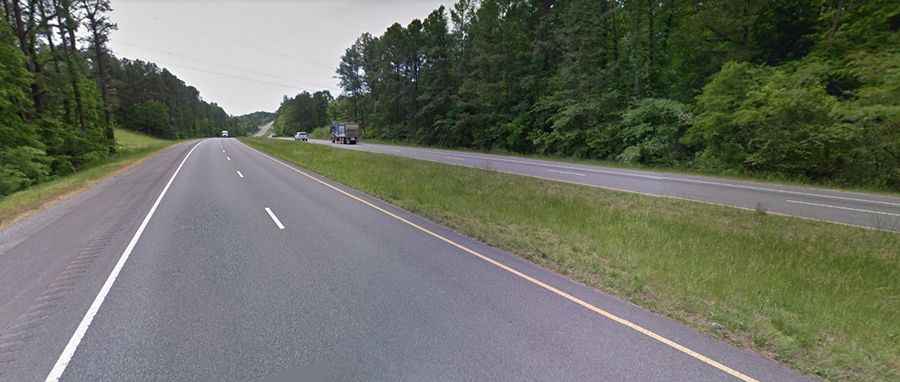
Exploring the most scenic drives in the US is a journey through the engineering heart of the continent. Whether you are traversing the thin, two-lane strip of Highway 78 in Alabama or the prehistoric landscapes of Hawaii, the key to a successful road adventure is preparation. By understanding the specific technical demands of each route—from traction management in Alaska to brake cooling in Maui—you transform a simple drive into a professional-grade expedition. Respect the road, monitor the environment, and appreciate the majesty of the American spirit from the driver's seat.