The Ultimate Michigan Road Trip: a Stop-by-Stop Guide
Michigan offers one of the most diverse driving environments in the American Midwest. From the industrial logistics of the Motor City to the high-latitude wilderness of the Upper Peninsula (U.P.), a road trip across this state is a study in coastal geography and infrastructure. Navigating the shores of Lake Michigan and Lake Superior requires a strategic approach to route planning, especially as roads transition from standard interstates to narrow, wind-exposed scenic byways with limited service availability.
| Michigan Expedition: Tactical Data | |
|---|---|
| Total Distance | ~450+ miles (Detroit to Munising) |
| Critical Transit | Mackinac Bridge (5-mile suspension span) |
| Environmental Hazard | High crosswinds and "Lake Effect" precipitation |
| Logistical Node | Detroit (Motor City HQ) |
1. Detroit: The Industrial Apex
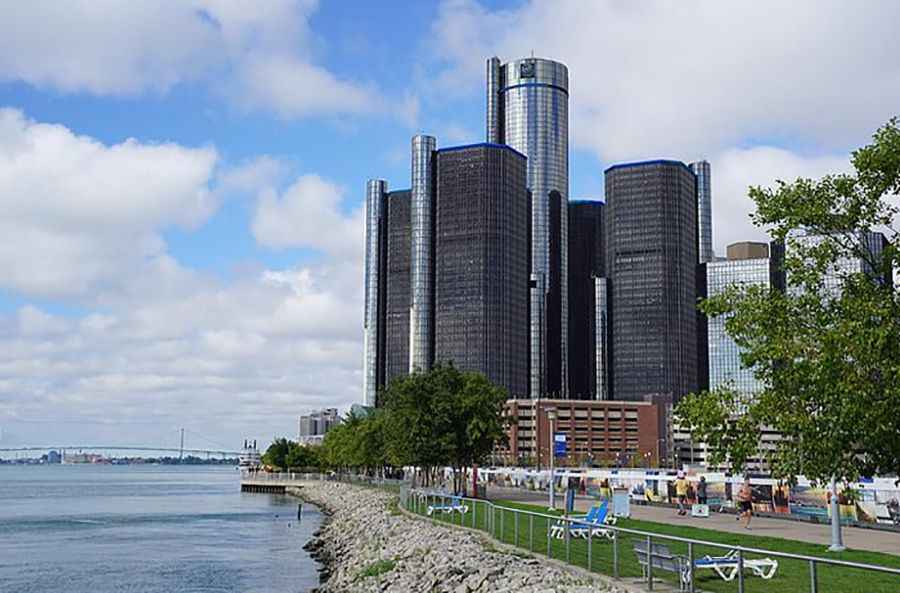
The expedition begins in Detroit, the global center of automotive engineering. The skyline is dominated by the GM Renaissance Center, a complex of seven interconnected towers that serves as the strategic headquarters for General Motors. Beyond the architecture, the city represents the starting point of the Red Arrow Highway and other historic corridors that were instrumental in the development of American road culture. Before heading north, ensure your vehicle’s mechanical systems are inspected, as the transition to the rural north increases recovery times significantly.
2. The Little Traverse Bay Corridor (US-131)
Moving north toward Petoskey, the route utilizes Michigan State Highway 131. This sector is characterized by a dramatic change in topography as you approach Little Traverse Bay. The drive is reminiscent of technical northern routes, with undulating grades and dense forest canopies. Petoskey State Park offers a key logistical stop on the shores of Lake Michigan, providing access to terrain that is essential for understanding the geological formation of the Great Lakes basin.
3. Mackinac Bridge: The Gateway to the North
The transition from the Lower to the Upper Peninsula (U.P.) is defined by the Mackinac Bridge. This 5-mile suspension bridge is a high-consequence transit point, susceptible to extreme crosswinds that can occasionally force the closure of the span to high-profile vehicles. Once across, you enter a region of "rugged and pristine" wilderness where the road network becomes significantly more isolated and technical.
4. Tahquamenon Falls and the Lake Superior Basin
In the eastern U.P., the route leads to Tahquamenon Falls, one of the most substantial waterfall systems east of the Mississippi. Measuring 200 feet across, the falls are a primary hydrological landmark. The surrounding roads near Paradise, MI, are subject to rapid weather shifts driven by the "Lake Effect" from Lake Superior. Drivers must be prepared for sudden visibility drops and slick surfaces, even during the summer months.
5. Munising and the Pictured Rocks Cliffs
The western leg of the U.P. expedition reaches Munising, the gateway to Pictured Rocks National Lakeshore. The roads in this sector are "off the beaten path," featuring narrow geometries and significant exposure to the Lake Superior coastline. The multicolored cliffs, rising abruptly from the water, dictate a road path that is both scenic and demanding. This is a high-vigilance zone where the lack of divider barriers and the presence of wildlife require absolute situational awareness.
Logistical Summary: Timing and Budget
A comprehensive Michigan transit requires a minimum of 7 to 10 days to account for the technical nature of the U.P. roads. While the total distance is just over 400 miles "as the crow flies," the actual road mileage is higher due to coastal contours. Budgeting should include Mackinac Bridge tolls and increased fuel costs in remote northern sectors where supply chains are limited.
Conclusion: The Diversity of the Midwest
Michigan is a state of extremes, balancing industrial might with absolute wilderness. Navigating from the urban grid of Detroit to the sheer cliffs of Munising offers a professional-grade road experience that rewards the prepared traveler. By respecting the volatile weather patterns of the Great Lakes and the logistical isolation of the Upper Peninsula, you can successfully complete one of the most iconic coastal expeditions in North America.
By Philip Loyd, Benzinga contributor