The 5 Most Dangerous Roads for Truckers in the USA
For commercial vehicle operators, the American interstate and highway system presents a diverse spectrum of catastrophic risks. While human error remains a primary variable, certain corridors are inherently hazardous due to structural deficiencies, extreme topographical shifts, and volatile meteorological patterns. For a "big rig" driver, navigating these five high-consequence roads requires a technical understanding of vehicle physics, brake endurance, and the specific logistical isolation of each region.
| Trucking Risk Profile: High-Danger Roads | |
|---|---|
| Primary Arctic Hazard | Dalton Highway (Zero emergency infrastructure) |
| Structural Deficit | Interstate 10 (Lack of median barriers) |
| Topographical Risk | Highway 550 (High-altitude technical descent) |
| Weather Volatility | US Highway 2 (Black ice and blizzards) |
1. US Highway 2 (Montana): The Slippery Northern Corridor
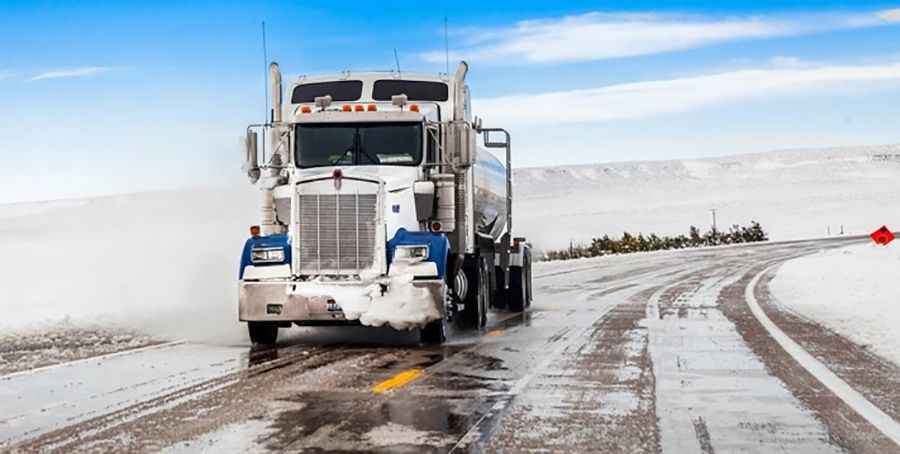
Research indicates that US Highway 2 in Montana consistently records the highest fatality rate in the state. The primary threat to heavy haulers over this 760-mile stretch is the extreme winter volatility. Slippery pavement, sustained blizzards, and high-velocity winds create a "black ice" environment where a tractor-trailer can lose lateral stability in seconds. In this northern sector, the distance between service nodes increases the danger of mechanical stranding during winter storms.
2. Interstate 95 (Connecticut): The Urban Bottleneck
As one of the oldest and most saturated interstates in the country, the I-95 corridor near Norwalk, CT, is a high-incident zone for truckers. The combination of aging infrastructure, heavy springtime rains, and intense traffic volumes leads to frequent tractor-trailer wrecks. For a long-haul driver, the 8-mile stretch through Norwalk requires extreme vigilance due to short merge lanes and unpredictable passenger vehicle maneuvers in high-congestion windows.
3. Highway 550 (Colorado): The Million Dollar Hazard
The Million Dollar Highway is notorious for its recent spike in commercial vehicle incidents. The road’s technical difficulty stems from its 10,000-foot elevation and the absence of guardrails. For truckers, the primary risk is brake fade during steep, twisting descents where slight weather changes can instantly coat the asphalt in black ice. This is an elite mountain road that demands professional-grade gear management and absolute focus.
4. Dalton Highway (Alaska): The Arctic Isolation Road
The Dalton Highway is perhaps the most isolated road in North America. Its mountain passes and gravel surfaces are so hazardous that state authorities conduct regular helicopter patrols. For a trucker, the total lack of exits and emergency services means any breakdown or collision becomes a survival scenario. Mechanical autonomy and a deep-winter survival kit are non-negotiable requirements for this 414-mile haul.
5. Interstate 10 (Arizona): The Median Barrier Gap
Interstate 10 has been ranked as one of the deadliest highways in the USA, particularly the 360-mile stretch between Phoenix and the California border. A critical safety deficit on this road is the absence of median barriers in high-traffic sections. At commercial highway speeds, the lack of a physical divider between oncoming lanes significantly increases the risk of "crossover" collisions, which are almost universally fatal for all involved parties.
Conclusion: Strategic Driving on High-Consequence Roads
Survival for truckers on these roads is not a matter of luck, but of tactical preparation. Whether it is managing the thermal load of brakes on Highway 550 or anticipating the lack of recovery support on the Dalton, professional drivers must adapt their protocols to the specific hazards of the terrain. Respecting the speed limit and maintaining structural awareness of the vehicle are the only ways to mitigate the inherent dangers of the American road network.