Coronet Drive: Driving the old mining road to 3,588m in Colorado
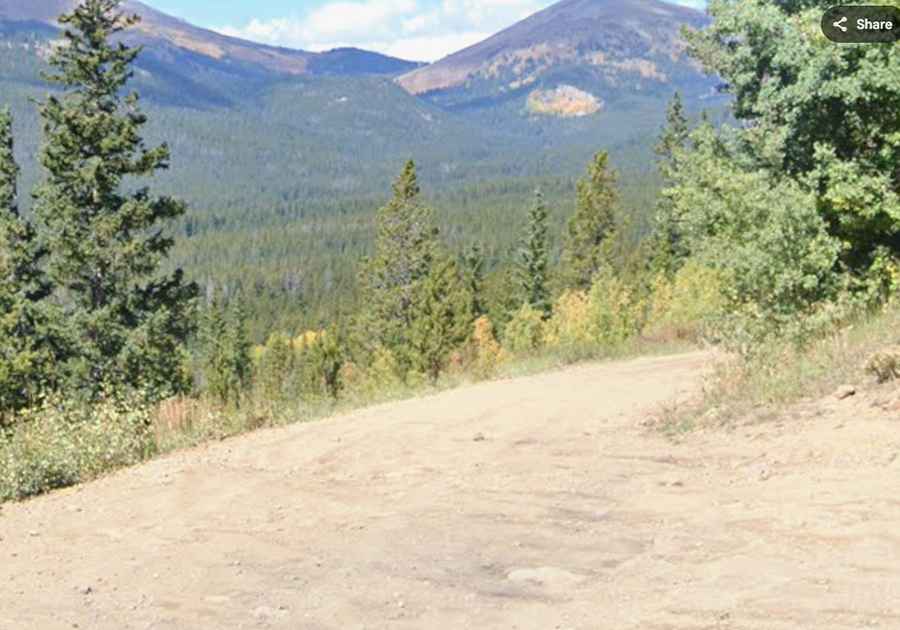
Coronet Drive is a high-altitude mountain road reaching an elevation of 3,588m (11,771ft) above sea level in Summit County, in the US state of Colorado. Located in the White River National Forest near Breckenridge, the route transitions from a residential paved road into an unpaved, high-clearance 4x4 mining track following Pennsylvania Creek.
| Road facts: Coronet Drive | |
|---|---|
| Location | Summit County, Colorado (USA) |
| Elevation at High Point | 3,588 m (11,771 ft) |
| Length | 10.1 miles (16.2 km) |
| Connecting Roads | CO-9 (Blue River) to County Road 33 |
| Surface | Paved at start, turning into rough dirt, loose shale, and rock |
| Vehicle Requirements | High-clearance 4x4 mandatory for upper mining track |
Where is Coronet Drive located?
The road starts off CO-9 near the town of Blue River, south of Breckenridge in central Colorado. It runs 10.1 miles (16.2 km) east through the White River National Forest along Pennsylvania Creek toward County Road 33.
Is Coronet Drive paved?
Only the lower residential section is paved. As the road climbs higher along Pennsylvania Creek, the pavement ends and it degrades into a narrow, rocky old mining track filled with loose shale, deep ruts, and exposed boulders.
Is a 4x4 required to drive Coronet Drive?
Yes. While passenger cars can handle the paved lower sector, a high-clearance 4x4 is mandatory for the upper miles. Good ground clearance is needed to avoid bottoming out on rocks, while four-wheel drive low range is required on steep, loose shale inclines.
How challenging is driving the upper mining section?
The upper section is narrow with very few turnout spots for passing oncoming traffic. Driving requires low-speed crawling over sharp rock ledges, while the long descent back toward CO-9 requires continuous engine braking to prevent foot brakes from overheating.
Is Coronet Drive open year-round?
No. Sitting at nearly 11,800 feet altitude, the unplowed upper road is buried under heavy snowpack and remains completely impassable from November through late May or early June.