Road Conditions in California’s Central Valley: A Regional Overview
The Central Valley of California represents one of the most stressed road environments in the United States. Federal road condition data consistently ranks the region's urban and rural arterials among the most deteriorated in the nation. This systematic degradation of the pavement is not merely a matter of driver discomfort; it is a critical safety variable that introduces unpredictable hazards, increases vehicle mechanical failure rates, and compromises the integrity of the state's primary agricultural logistics corridors.
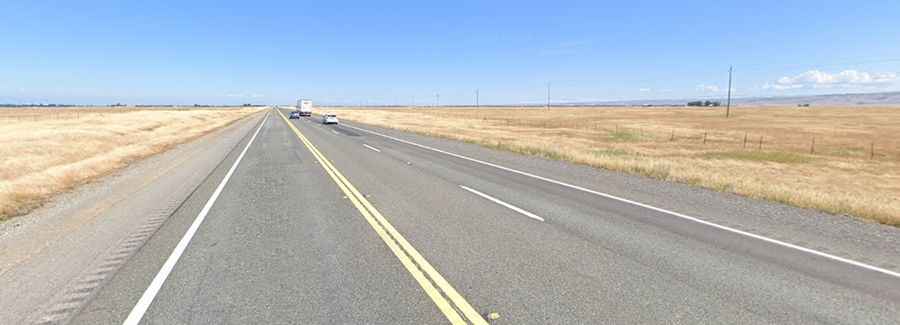
| Regional Degradation Metrics: Central Valley | |
|---|---|
| Critical Zone (Small Urban) | Merced (Ranked #1 for poor conditions nationwide) |
| Critical Zone (Mid-Size) | Modesto (>40% roads evaluated as "Poor") |
| Technical Hazard | Pavement delamination & severe pothole clusters |
| Primary Stressor | Heavy agricultural & commercial tonnage |
1. Federal Rankings: The Epicenter of Road Deterioration
According to the Federal Highway Administration (FHWA), the Central Valley contains a disproportionate number of cities with substandard road surfaces. Merced currently tops the list for small urban areas, while Modesto and Fresno report that nearly 40% of their primary road networks are in a state of advanced decay. This level of degradation extends to other coastal and valley hubs like Stockton, Monterey, and Santa Cruz, creating a continuous zone of high-impact driving conditions across the region.
2. The Logistics of Wear: Why the Valley Fails
The accelerated wear and tear of Central Valley roads is a direct result of "heavy tonnage" operations.
- Agricultural Stress: High-volume transit of heavy machinery and industrial delivery vehicles places massive vertical loads on aging asphalt.
- Commuter Saturation: Rapid population growth has led to vehicle volumes that far exceed the original design capacity of the regional infrastructure.
- Maintenance Backlog: Competing infrastructure priorities have resulted in "delayed maintenance" cycles, where minor surface cracks evolve into structural base failures.
3. High-Risk Corridors: The Highway 99 Case
Nowhere is the impact of infrastructure decay more evident than in the Highway 99 corridor near Fresno. Poor road conditions here are directly linked to increased accident rates. Substandard pavement reduces tire-to-road friction and obscures lane markings, creating high-risk environments for both motorists and pedestrians. Sudden evasive maneuvers to avoid deep potholes often lead to high-speed lateral instability, a primary cause of multi-vehicle collisions in the Valley.
4. Economic and Safety Implications
The cost of infrastructure neglect is borne by the driver. Beyond the increased risk of fatal incidents, the economic toll manifests in chronic vehicle damage—specifically to suspension components, steering racks, and tires. For the long-distance overlander or commercial hauler, traversing the Central Valley requires a tactical approach to speed and path selection to minimize the risk of mechanical stranding in high-traffic zones.
Conclusion: The Need for Targeted Restoration
The data from California’s Central Valley highlights a critical need for targeted, high-impact infrastructure investment. Improving road conditions is not an aesthetic goal; it is a fundamental requirement for public safety and the economic sustainability of the state's transport networks. Until comprehensive restoration efforts are executed, the Central Valley remains one of the most demanding and technically hazardous regions for vehicle operation in the United States.