What are the Most Scenic Roads In Nevada?
The geography of Nevada is defined by a rhythmic succession of linear mountain ranges separated by wide, arid basins. Beyond the high-density illumination of the Las Vegas strip, the state’s road network traverses some of the most geologically volatile and isolated terrain in North America. Navigating these roads requires a strategic approach to logistics—specifically fuel management and thermal regulation—as many corridors cross high-altitude passes and vast alkali flats with zero service availability.
| Nevada Road Expeditions: Tactical Data | |
|---|---|
| Highest Elevation Node | Mt. Grant (11,239 feet) |
| Most Isolated Sector | Walker River Drive (Zero civilization nodes) |
| Seasonal Constraint | Angel Lake (Closed during winter months) |
| Primary Geological Risk | Flash floods in slot canyons (Valley of Fire) |
1. Mt. Rose Scenic Drive: The Alpine Ascent
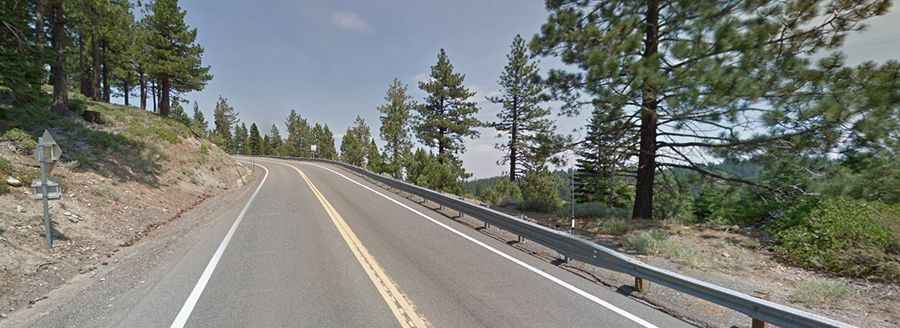
Connecting Reno to Lake Tahoe, this 37-mile transit involves a steep technical ascent into the Sierra Nevada. The road transitions from arid desert floor to dense subalpine forests on rugged cliffs. The primary logistical point is the Mt. Rose Summit (8,898 ft), which offers critical overlooks of the Tahoe Basin. Drivers must be prepared for rapid icing even in transition seasons due to the dramatic elevation gain.
2. Walker River Scenic Drive: Absolute Isolation
Spanning 55 miles between Yerington and Hawthorne, this route follows the East Walker River through a series of technical twists and turns. This is a high-autonomy zone: there are zero towns or services between the start and end points. Ensuring a full fuel tank and secondary water supplies is mandatory. The route offers views of the 11,239-foot Mt. Grant, the dominant topographical feature of the Wassuk Range.
3. Valley of Fire Highway: The Mesozoic Corridor
This 36-mile route through the Moapa Valley is characterized by intense red Aztec sandstone formations. While visually spectacular, the road is subject to extreme thermal stress and occasional flash flooding in the drainage washes. Significant landmarks include the Elephant Rock and Seven Sisters vistas. For those exiting the vehicle, the Petroglyph Canyon provides a look at ancient Native American lithic art.
4. Lamoille Canyon Scenic Byway: The Glacier-Carved Canyon
Often referred to as the "Yosemite of Nevada," this 20-mile route scales the Ruby Mountains. It is a high-altitude dead-end road that terminates at 8,800 feet. The geography features u-shaped glacial valleys, cascading waterfalls, and permanent snowfields. Due to its elevation, the road is typically only accessible from late spring through fall, as heavy snowpacks make the upper canyon impassable in winter.
5. Angel Lake Scenic Drive: The Humboldt Ascent
A short but high-gradient 13-mile drive from Wells, this road climbs to a glacial cirque lake in the East Humboldt Range. The temperature delta on this route is extreme; even in summer, the lake area remains significantly colder than the valley floor. The road terminates at Angel Lake, where the clear water is framed by jagged peaks, offering a 360-degree panoramic view of the Humboldt wilderness.
6. Pyramid Lake Scenic Byway: The Endorheic Basin
Running 55 miles through the Virginia Mountains, this road leads to the ultra-blue Pyramid Lake, a remnant of the prehistoric Lake Lahontan. The road crosses the Navajo Nation territory and is known for its "tufa" rock formations—calcium carbonate structures that rise from the desert floor. The isolation and the unique color of the water make it a high-contrast driving experience.
7. Big Smoky Valley: The Toiyabe Corridor
This 118-mile transit between Tonopah and Austin is one of the most removed routes in the state. Squeezed between the Toiyabe and Toquima Ranges, the road services small mining outposts like Hadley. It offers a raw look at Nevada’s mineral history and provides a low-traffic alternative to the major interstates, though wildlife crossings (specifically elk and wild horses) are a constant hazard.
Conclusion: Navigating the Nevada Wilderness
Nevada’s scenic roads are not merely for leisure; they are corridors through a landscape that demands technical respect. Whether scaling the Sierra Nevada on Mt. Rose or navigating the desert isolation of the Walker River, drivers must prioritize vehicle cooling systems and fuel logistics. In this state, the beauty of the desert is inextricably linked to its environmental harshness, making every drive an exercise in tactical preparation.