Caught Speeding in the USA? Here's what to do next...
Navigating the vast highway systems of the United States requires strict adherence to variable jurisdictional speed limits. Getting clocked by a radar or being pulled over by state troopers can be a complex logistical and legal challenge, especially for international travelers or long-distance overlanders. Understanding the specific protocols of a "Traffic Stop" and the subsequent administrative steps is essential for mitigating the impact on your driving record and insurance standing.
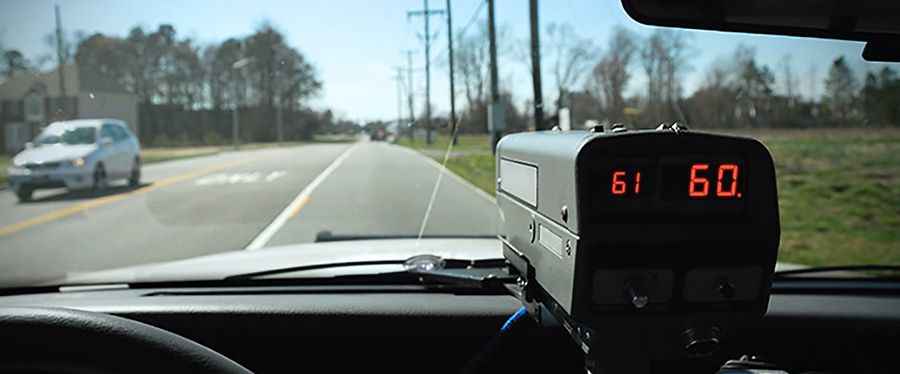
| US Traffic Stop: Essential Protocol | |
|---|---|
| Immediate Action | Signal and pull over to the right shoulder immediately |
| Safety Procedure | Keep hands visible on the steering wheel; stay inside the vehicle |
| Penalty Structure | Fines, points on license, or mandatory court appearance |
| Insurance Impact | Potential premium increases of 20% to 30% |
1. The Traffic Stop: Safety and Interaction Protocols
In the United States, law enforcement takes traffic stops with extreme caution. When you see emergency lights, signal your intent and move to the safest location on the right shoulder. Once stopped, turn off the engine and keep your hands visible on the steering wheel. Do not exit the vehicle unless instructed. Being respectful and following these safety markers is not just about etiquette; it is about ensuring a calm and professional interaction with the officer, who is primary concerned with roadside safety.
2. Understanding the Penalty Matrix
Speeding penalties in the USA are not uniform and vary significantly by state and county.
- Fines and Points: Most violations result in a fine and a specific number of points added to your driving record. Accumulating too many points can lead to license suspension.
- Speed Awareness Courses: In many jurisdictions, you may be eligible to attend a defensive driving school to "mask" the points from your record, preventing insurance companies from seeing the violation.
- Mandatory Appearances: Excessive speeding (often 20+ mph over the limit) can be classified as "Reckless Driving," which usually requires a mandatory court appearance and carries much heavier legal consequences.
3. The Role of Legal Representation
While minor infractions can often be handled by paying the fine (admitting guilt), certain situations warrant professional legal counsel. If a speeding ticket threatens your commercial driving license (CDL), your professional reputation, or carries high-tier points, a lawyer specializing in traffic law can negotiate for a reduction of the charge to a non-moving violation. This is a common strategic move to protect long-term insurance premiums, which can skyrocket following a recorded speeding conviction.
4. Technical and Environmental Considerations in Court
If you choose to contest a ticket, the court may take into consideration external variables. A specialized attorney will analyze factors such as:
- Radar/Lidar Calibration: Verifying the maintenance records of the speed detection equipment used.
- Signage Visibility: Proving that speed limit signs were obscured or improperly placed.
- Traffic and Weather Flow: Arguing that the speed was "reasonable and prudent" given the environmental conditions (though this is more difficult in absolute speed limit states).
Conclusion: Strategic Compliance
The best way to handle a speeding violation in the USA is through a combination of immediate compliance at the roadside and a strategic administrative response afterward. Whether you choose to pay the fine or contest the charge through legal means, maintaining a clear understanding of the jurisdictional laws is vital. On the world's most challenging roads, your focus should be on the terrain—keeping your record clean is simply part of the logistics of a successful expedition.
Pic: https://www.economical.com/en/blog/economical-blog/october-2017/getting-up-to-speed-with-radar-guns