How to Prepare For and Survive Your First Motorcycle Road Trip in Alaska
Operating a motorcycle on Alaskan roads is a high-consequence endeavor that demands absolute mechanical and physical preparedness. Unlike the lower 48 states, Alaska’s infrastructure is defined by extreme isolation, unpredictable permafrost-induced road surface failures, and vast distances between refueling nodes. For the long-range rider, navigating the "Last Frontier" is an exercise in logistical discipline, where the margin for error is minimized by the harsh reality of the sub-arctic environment.
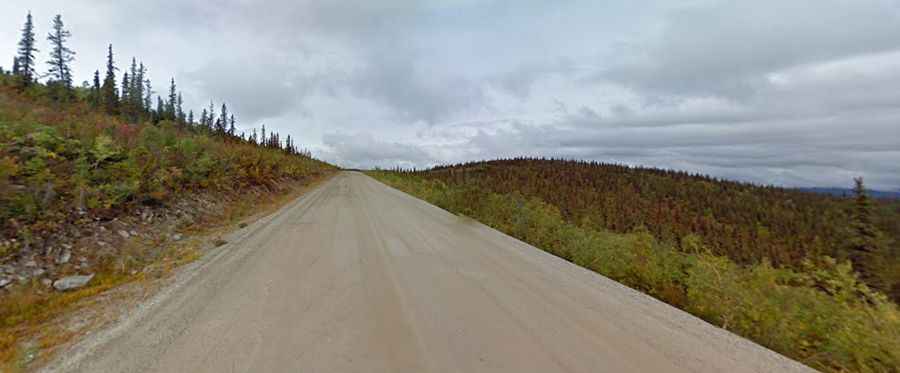
| Alaska Expedition: Technical Parameters | |
|---|---|
| Optimal Window | June to August (Peak thermal stability) |
| Primary Road Hazard | Moose strikes & frost heaves |
| Fuel Strategy | Mandatory 200+ mile range autonomy |
| Logistical Challenge | Zero-signal zones & scarce ATM/Cash infrastructure |
1. Strategic Timing and Meteorological Volatility
The window for safe motorcycle transit in Alaska is exceptionally narrow. While August offers the highest thermal stability, weather patterns can shift from 70°F (21°C) to near-freezing in a single afternoon.
- The Daylight Variable: In peak summer, Alaska experiences up to 22 hours of sunlight. While this extends the riding window, it also leads to significant rider fatigue. Disciplined rest cycles are mandatory to maintain the cognitive focus required for technical roads.
- Biological Hazards: Alaska’s wildlife represents a primary kinetic risk. Moose are the most significant roadside hazard; their mass and height make collisions almost universally catastrophic for motorcyclists.
2. Technical Gear and Thermal Protection
Riding in Alaska requires professional-grade, multi-season gear. Even in the height of summer, the "wind chill" factor at highway speeds can lead to rapid-onset hypothermia.
- Layering Strategy: A combination of moisture-wicking base layers, insulating mid-layers, and a 100% waterproof/windproof outer shell is the standard. Protective boots, reinforced pants, and high-visibility helmets are essential for safety on unpaved or gravel-heavy sectors.
- Mechanical Integrity: While snow may be absent in August, the abrasive nature of Alaskan road dust and gravel requires consistent chain maintenance and daily inspections of tyre integrity.
3. Fuel Logistics and Monetary Redundancy
The "Empty Tank" scenario in Alaska is a survival emergency.
- Range Autonomy: Many sectors of the Alaskan road network have intervals of over 100-150 miles between fuel pumps. Riders must know their exact fuel range and carry auxiliary fuel if their tank provides less than a 200-mile safety margin.
- Currency and Connectivity: Outside of major hubs like Anchorage or Fairbanks, satellite connectivity is non-existent. Plastic payment systems and ATMs are scarce. Carrying sufficient cash (USD) is a tactical requirement for fuel and emergency supplies in remote outposts.
4. Navigational Autonomy
Relying on smartphone-based navigation is a critical failure in the Alaskan interior.
- Offline Redundancy: Download high-resolution offline maps and carry physical topographic charts.
- The Isolation Factor: You may ride for 100 miles without seeing another vehicle. This isolation requires a "self-rescue" mindset. A satellite-based emergency messenger (PLB) is the only reliable way to signal for assistance in a mechanical or medical emergency.
Conclusion: The Last Frontier of the Road
Alaska is not a touring destination; it is a logistical challenge. By prioritizing fuel autonomy, thermal management, and technical readiness, you respect the raw power of the sub-arctic terrain. On these roads, the splendor of the landscape is balanced by its environmental harshness, making every successful transit a testament to the rider’s discipline and preparation.