The Tropical Island Where You Must Never Step Off the Road (Vieques, Puerto Rico)
Vieques is a vibrant island municipality of Puerto Rico (U.S. Territory) known for its incredible beaches and bioluminescent bay. Yet, over half the island’s pristine eastern side is a restricted zone—the legacy of 60 years of use as a live-fire bombing range by the U.S. Navy. The island features a beautiful network of paved and dirt coastal roads, but large parts of these scenic routes are closed to public traffic because they hide a deadly secret: unexploded ordnance (UXO).
Getting to Vieques: Essential Logistics
Vieques is far more accessible than the Channel Islands, but travel requires planning:
- Access: Visitors arrive by ferry from Ceiba on the main island of Puerto Rico or via small commuter flights.
- Mobility: Cars are allowed on the developed parts of Vieques, but to access the most beautiful beaches in the former military zones (now the National Wildlife Refuge), visitors typically rely on rental Jeeps, scooters, or public público taxis due to the rough, unmaintained dirt roads.
- Self-Sufficiency: The former Navy lands are a wilderness area; visitors must bring all water, food, and supplies to the beaches.
Are There Any Roads in the Restricted Zones?
Yes—and they are key to the island’s danger and history.
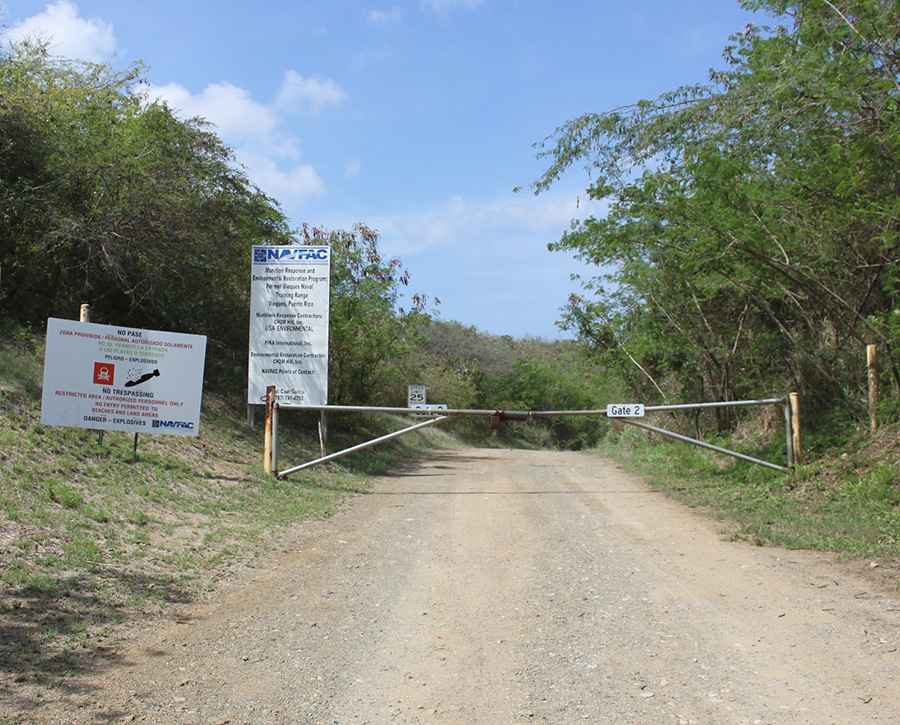
The Vieques National Wildlife Refuge, which covers two-thirds of the island, is crisscrossed with old, unmaintained paved and dirt military service roads. These roads were built to support the Navy’s bombing range infrastructure. Today, these tracks are divided into two categories:
- Accessible Roads: Main dirt roads leading to beaches deemed relatively safe for public access (like Caracas Beach).
- Restricted Roads: Roads leading into the Eastern Maneuver Area (EMA) and the Live Impact Area (LIA) are permanently fenced off and signed with terrifying warnings, strictly closed due to the high density of UXO.
The Navy's Legacy: UXO and the Danger Zone
The danger of unexploded ordnance is the defining characteristic of Vieques's wilderness.
- History: The U.S. Navy used this land for intensive bombing and shelling practice, leaving behind a vast amount of live, unstable ordinance buried in the soil and sand.
- Safety Rule: Local officials and the EPA are clear: NEVER stray from marked roads or beaches, and absolutely never touch or disturb any metal object you find. The danger is literally hidden just feet from the scenic routes.
- The Escort: Cleanup crews and scientific survey teams venturing into the most dangerous restricted zones must be accompanied by specialized UXO safety technicians—the real-life "escort" needed to access these forbidden roads.
Planning a Beach Trip & Facilities
Most visitors focus on the stunning beaches within the accessible refuge zones.
- Accommodation: Hotels, resorts, and rental properties are plentiful in the towns of Isabel Segunda and Esperanza.
- Facilities: Facilities are minimal or non-existent inside the Refuge itself. You will find simple parking areas but no running water or services. Strict conservation rules apply.
The Major Challenge: The Forbidden Roads
The greatest challenge on Vieques is psychological: knowing that just beyond the barbed wire fence or past the warning sign lies a road network leading to beautiful hills and beaches that are completely off-limits due to deadly hidden danger.
- The Forbidden View: Reaching the perimeter of the former Live Impact Area and looking down the abandoned dirt roads is a chilling reminder of the risk.
- The Bio Bay: The ultimate reward is the world-famous Mosquito Bay (Bahía Mosquito), where the extreme care taken to protect the environment has resulted in the world's brightest bioluminescent bay—the perfect, glowing counterpoint to the island's dark military history.
Wildlife Encounter and Safety
Vieques is a thriving tropical ecosystem, but safety is paramount.
- Wildlife: The island is home to free-roaming horses, various bird species, and pristine coral reefs.
- Safety Priority: The UXO hazard supersedes all others. Heeding the "Do Not Enter" signs is not a suggestion—it is a critical safety requirement.
Exploring Vieques by Road and Foot
Vieques offers a unique kind of adventure: one where the stunning scenery comes with strict boundaries, and the simplest road trip through the refuge requires constant, vigilant awareness of the invisible danger hidden in the soil.