Sola de Vega Road: Driving the Mexico 131 from Oaxaca to Puerto Escondido
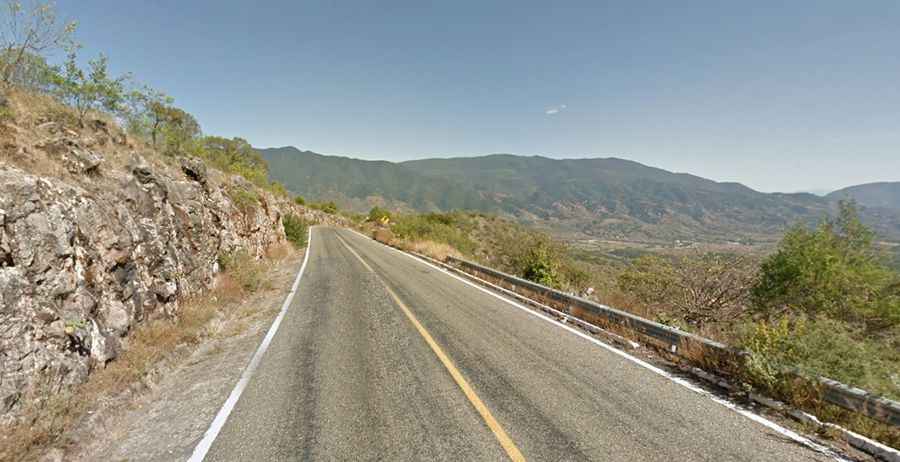
The Sola de Vega Road is a mountain section of the paved Federal Highway 131 located in the state of Oaxaca, Mexico. The completely asphalted route crosses the rugged ridges of the Sierra Madre del Sur to connect the capital city of Oaxaca with the coastal town of Puerto Escondido, reaching a maximum elevation of 2,180 meters (7,152 ft) above sea level.
| Road facts: Sola de Vega Road (Mexico 131) | |
|---|---|
| Location | Oaxaca (Mexico) |
| Max Elevation | 2,180 m (7,152 ft) |
| Journey Time | 6 to 7 hours |
| Surface | Paved (Asphalt) |
How is the drive on the Sola de Vega Road?
Driving the Federal Highway 131 requires between 6 and 7 hours of continuous steering due to the endless sequence of tight mountain switchbacks. The asphalted lane is narrow and completely lacks hard shoulders, running directly between raw vertical earth banks and steep cliff drop-offs. The tarmac surface has deep ruts and broken patches caused by the constant passage of heavy freight trucks and regional passenger buses sharing the narrow mountain corridor.
Is the Mexico 131 dangerous for brakes?
The descent from the 2,180-meter summit near Sola de Vega down to the coastal level involves long, sustained ramps with sharp declines. The constant downward grade forces heavy reliance on engine braking to manage vehicle speed along the continuous hairpin turns. The asphalt layer is highly irregular, featuring sudden dips and broken pavement edges that destabilize vehicles on the steepest sections of the mountain drop.
What are the logistics and transit hazards on the route?
The paved lanes feature numerous unmapped, sharp speed bumps (topes) placed across the asphalt at the entrance of every rural village. During the summer rainy season from June to October, the steep roadside slopes face severe mudslides and rockfalls that regularly block the tarmac or reduce the route to a single alternating lane. The mountain sectors completely lack public street lighting, and free-roaming livestock frequently walks onto the active driving lanes.
Where are the services and fuel stations located?
Fuel stations and vehicle repair workshops are concentrated exclusively in the city of Oaxaca and the town of Sola de Vega, leaving the central high-altitude mountain sectors devoid of civilian facilities. Cellular mobile signal is non-existent throughout the high ridges of the Sierra Madre del Sur. The route transitions directly from the dry interior valley floors to the high-humidity coastal slopes, changing the surface traction conditions across the pass summit.
Road suggested by: Eblem Torres