Why Mexico Builds Mountain Roads Out of Stone and Concrete
Rural mountain roads across the state of Guanajuato, Mexico, are known for a distinctive, rugged pavement made of river stones embedded directly into wet concrete slabs.
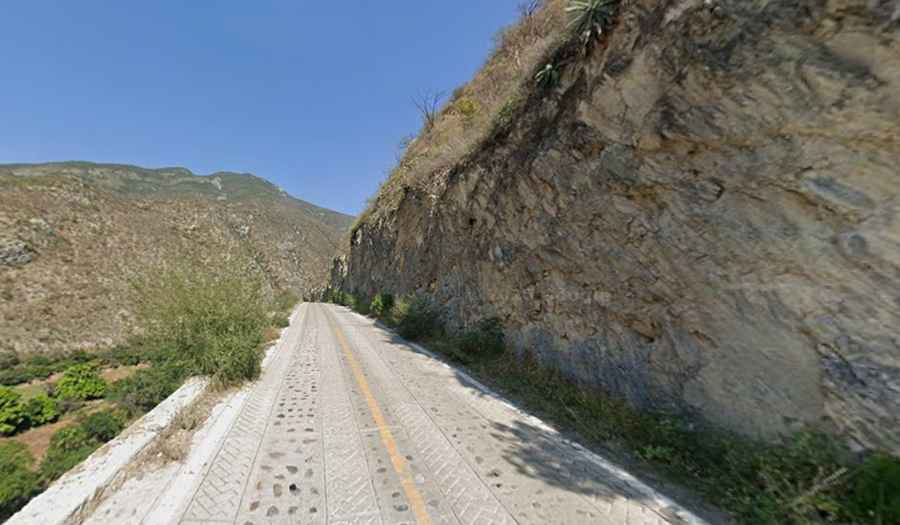
| Road facts: Guanajuato Mountain Roads | |
|---|---|
| Location | Sierra Gorda & rural highlands, Guanajuato, Mexico |
| Surface | Stone embedded in concrete (empedrado ahogado en concreto) |
| Key Features | Concrete drainage edges, low stone walls, narrow cliffside cuts |
| Hazard Level | Moderate (Constant vibration, narrow width & blind mountain bends) |
What is the road surface like on the mountain roads of Guanajuato?
Many rural mountain roads in the state of Guanajuato, Mexico, are built using a surface known locally as empedrado ahogado en concreto—river stones or quarried rocks embedded directly into a wet concrete slab before it sets. These stone panels are bordered by smooth concrete tracks on the edges and a painted yellow center strip to guide the wheels and drain rainwater.
Why do Mexican mountain roads use stone embedded in concrete?
Standard asphalt washes away quickly during heavy mountain downpours and requires heavy paving machinery that cannot reach isolated canyons. By using local rock set into concrete, road crews build a surface that holds up against landslides and water runoff without needing constant repairs.
How does driving on empedrado ahogado en concreto feel?
The exposed stone tops give your tires solid grip on steep climbs and tight mountain bends, even when the surface is wet or covered in loose dirt. However, the rough texture sends constant vibration through the steering wheel and suspension, naturally forcing you to keep your speed down along narrow cliffside stretches bounded by low stone walls.
Where can you find these stone-and-concrete roads in Guanajuato?
You will encounter this pavement along secondary routes connecting remote mountain communities in northeastern Guanajuato, particularly across the canyons of the Sierra Gorda around Xichú, Atarjea, and the Santa María river basin.