How to drive the hairpins of Cumbres de Acultzingo in Veracruz
Cumbres de Acultzingo is a high mountain pass in the state of Veracruz, Mexico. Located in the Sierra Madre Oriental, this section of Route 150 (Tehuacan-Orizaba) is known for its extreme gradients and a unique lane-switching system designed for heavy freight traffic.
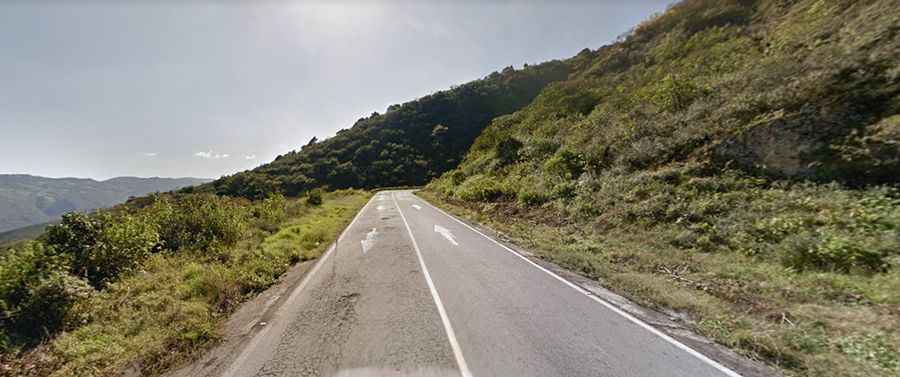
| Road facts: Cumbres de Acultzingo | |
|---|---|
| Location | Veracruz, Mexico |
| Road | Federal Highway 150 |
| Surface | Paved |
| Hazards | Opposite-lane driving, fog, heavy trucks |
Why do lanes switch at Cumbres de Acultzingo?
The road uses a counter-flow lane system marked by large painted arrows on the asphalt. In the sharpest hairpins, the ascending and descending lanes cross over each other, forcing drivers to circulate on the left side of the road. This layout allows long semi-trucks to negotiate the tight 180-degree turns without crossing into oncoming traffic mid-curve or getting stuck in blind spots. You must follow the floor arrows strictly; ignoring them leads to a direct head-on collision.
Is the road to Cumbres de Acultzingo dangerous?
The main hazard is the mix of steep slopes and heavy cargo traffic. The descent is a sustained test for braking systems, as trucks carrying maximum loads frequently suffer from brake fade. Visibility is often near zero due to the dense fog of the Sierra Madre Oriental. The lane changes occur precisely where visibility is lowest, requiring total focus on the road markings rather than the natural side of the road.
What is the surface like on Route 150?
The road is fully paved, but the asphalt is often slick due to constant humidity and oil spills from overworked truck engines. The sharp curves have high banking to help maintain traction, but the steepness of the ramps means that any loss of momentum on the climb can result in a stalled vehicle. Tire grip is essential here, as the combination of rain and diesel makes the lane-switching sections extremely slippery.
How to drive through Cumbres de Acultzingo safely?
You must use engine braking during the entire descent to avoid boiling the brake fluid. When you reach the crossover points, move to the opposite lane only when the arrows indicate it; this puts you on the outside of the hairpin, giving you a wider radius and better visibility. Watch for descending trucks that may have lost their brakes; runaway truck ramps are the only safety measure in several sectors. The drive requires constant gear management to handle the verticality of the Sierra.
Road suggested by: jorge manuel gómez sánchez