Is it safe to drive through Mexico's most dangerous roads?
Driving through Mexico is nothing like a weekend trip back home. Here, hitting the road means knowing exactly where you are going, especially if you plan to cross states like Michoacán, Tamaulipas, or Sinaloa. Safety isn't about looking at tourist maps; it’s about understanding that there are zones where the rules change, where the pavement is trashed, and where knowing which route to take can save you from a major headache. If you want to move around here, forget about driving like a local and start paying attention to the ground.
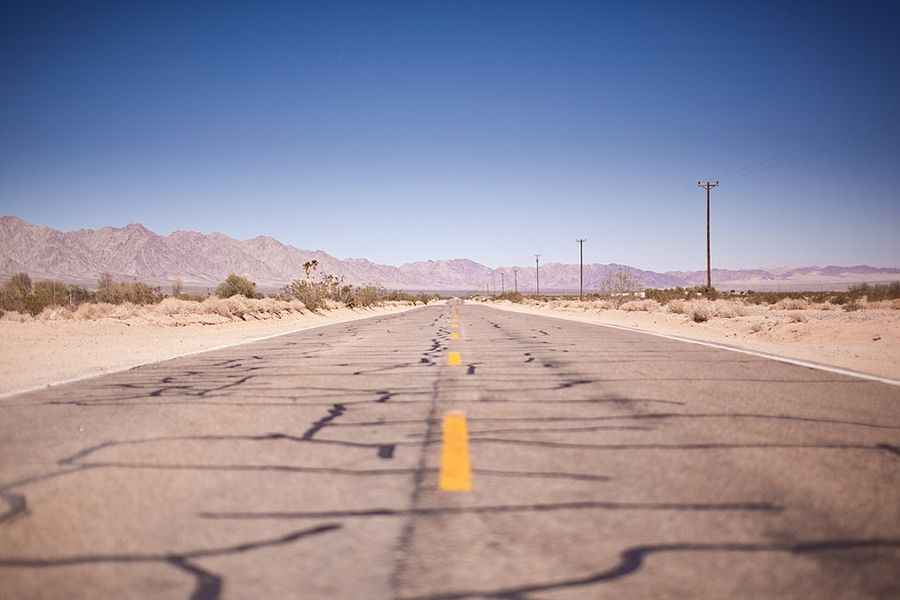
| Driving Safety: Mexico’s High-Risk Zones | |
|---|---|
| High-Risk States | Michoacán, Tamaulipas, Sinaloa, Chihuahua, Guerrero |
| Tough Cities | Reynosa, Nuevo Laredo, Ciudad Juárez, Celaya |
| Golden Rule | Never drive on federal highways at night. |
| Key Tip | Always pay for the "Cuota" (Toll); skip the "Libre". |
Which highway routes should you avoid at all costs?
There are stretches that have earned a bad reputation for a reason. The highway from Monterrey to Nuevo Laredo is a black spot where cargo theft and unauthorized checkpoints are part of the daily routine. Another rough area is the road connecting Coatzacoalcos to Villahermosa; here, vans fly up and down like crazy, the asphalt is shredded, and if you don't keep your eyes peeled, you'll end up stuck. On stretches like the México–Querétaro or the Querétaro–San Luis Potosí, the real problem is the sheer volume of trucks and heavy machinery that make driving a constant battle.
How to get around the country without looking for trouble?
If you have to cross the country, the best way to avoid getting into a mess is to stay on the toll roads, the ones they call "Cuota" over there. They are more expensive, but they are much better maintained, there’s more security, and you avoid passing through remote villages where the free "Libre" roads often turn into goat tracks. When you head into places like Chihuahua or Zacatecas, fill up your tank whenever you can and make sure your car is mechanically sound. The distances are massive, and if you get stranded in the middle of the desert with no signal, you'd better start praying.
Why is it crazy to drive at night?
Heading into certain states once the sun is down is asking for big trouble. Many roads don't have a single streetlight, and you can run into anything: from broken-down trucks with no lights to "ponchallantas" (spikes to blow out tires) or livestock in the middle of the road. In states like Tamaulipas or Michoacán, things can heat up at any moment, and hitting a roadblock in the dark is definitely not recommended. The plan is simple: get to your destination before sunset. If you see you won't make it, it’s better to stay in a major city like Monterrey or Puebla and continue the next morning.
What should you check on your car before heading into the mountains?
Mexico is home to the Sierra Madres, and that means climbing and descending mountain passes with slopes that are flat-out scary. Stretches like the one from Puebla to Córdoba have drops so steep that if you don't use engine braking, you’ll melt your brake pads in four turns. Before you head out, check your brake fluid and tire tread. In humid tropical areas like Veracruz or Chiapas, the asphalt becomes a skating rink when a few drops of rain fall or there’s mud on the road. Safety here is about respecting the mountains and not trying to go faster than your car allows.