How difficult is driving the Queen Elizabeth Way (QEW) to Niagara Falls?
The Queen Elizabeth Way and Highway 403 handle thousands of commercial semi-trucks daily alongside commuter traffic between Toronto and the Niagara peninsula. On multi-lane sections, vehicles mix at speeds up to 100 km/h with constant lane changes required to bypass slower freight.
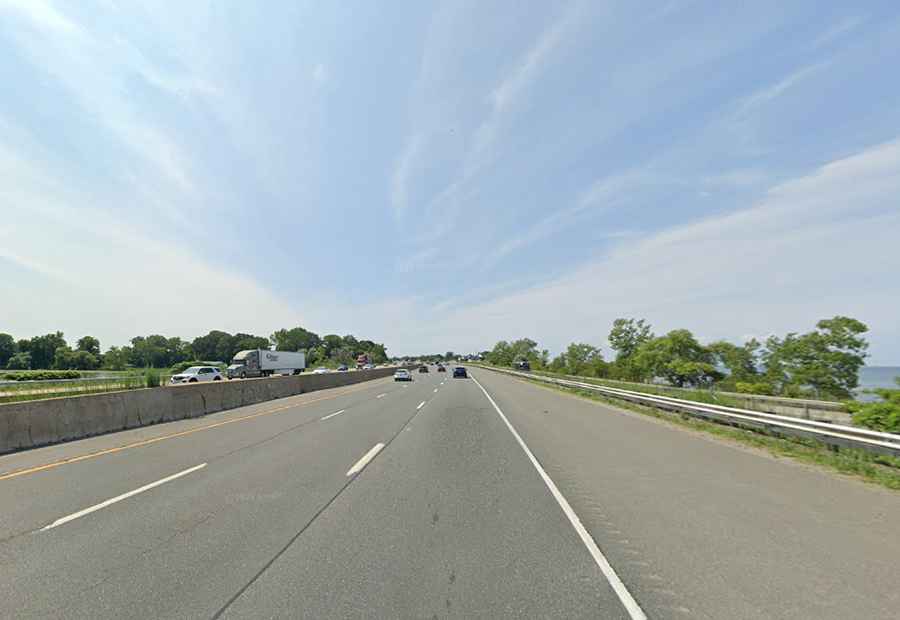
Crosswinds hitting vehicles mid-span on the Burlington Skyway force drivers to apply steering corrections to maintain vehicle tracking. Freight congestion peaks during morning and afternoon shifts, creating sudden speed drops where drivers must manage heavy braking across multiple lanes.
What causes sudden visibility drops on the Niagara drive?
Moisture off Lake Ontario generates localized lake-effect snow squalls that reduce visibility to near zero within minutes, particularly around Hamilton. When temperatures hover near freezing, wet slush accumulates in the ruts between lanes, causing immediate hydroplaning if tires lack adequate tread depth. Drivers must monitor changing local conditions and maintain stopping distances. For travelers preferring to avoid winter driving hazards or heavy highway congestion, a guided Niagara Falls Bus Tour operating entirely on the Canadian side provides an alternative transport option.
What are the road conditions on Regional Road 81?
Leaving the main highway for Regional Road 81 near the Welland Canal shifts the drive to a narrow two-lane asphalt layout with minimal shoulders and tight radius turns. Slower farm machinery, tractors, and local delivery trucks create speed differentials that require immediate braking adjustments. The reduced road width leaves zero margin for error when passing oncoming traffic or negotiating blind corners, forcing drivers to reduce speed significantly compared to the multi-lane interstate standard.
How do highway ramps and merging zones affect transit time?
Junctions connecting Highway 403 to the QEW feature short acceleration and deceleration lanes combined with heavy truck volumes. Entering these zones requires matching the speed of fast-moving freight while watching for vehicles cutting across solid lines to make last-minute exits. Surface wear near these heavy-use interchanges often features deep rutting from truck tires, which pulls steering wheels unpredictably during rain or heavy pooling.