Driving the steep high altitude track to Polot Tepesi
Polot Tepesi is a high-altitude summit reaching 2,862 meters on the rugged border between the Trabzon and Gümüşhane provinces in Turkey. The track to the top is a raw, unpaved mountain path that serves as a brutal reminder of the technical driving required in the Pontic Mountains. This is a journey through a high-alpine environment where the road is nothing more than a bumpy ribbon of loose stone and dirt, constantly exposed to the shifting weather of the Black Sea region.
| Road facts: Polot Tepesi | |
|---|---|
| Location | Trabzon-Gümüşhane border, Turkey |
| Elevation | 2,862m (9,389ft) |
| Length | 4.2 km (2.6 miles) |
| Average Gradient | 10.40% |
How challenging is the climb from Demirtaş?
The 4.2-kilometer ascent from Demirtaş is a concentrated test of traction and engine power. With a vertical gain of 437 meters, you are facing a sustained average gradient of 10.40%. On a surface made of loose gravel and bumpy soil, this incline is enough to make even a 4x4 struggle if you lose your momentum. The track is tightly hairpinned, requiring sharp steering moves on ground that often feels like a skating rink. You need to stay in low-range gears to keep the torque high and prevent the engine from stalling in the thin air of the upper reaches.
What are the main hazards on the road to Polot Tepesi?
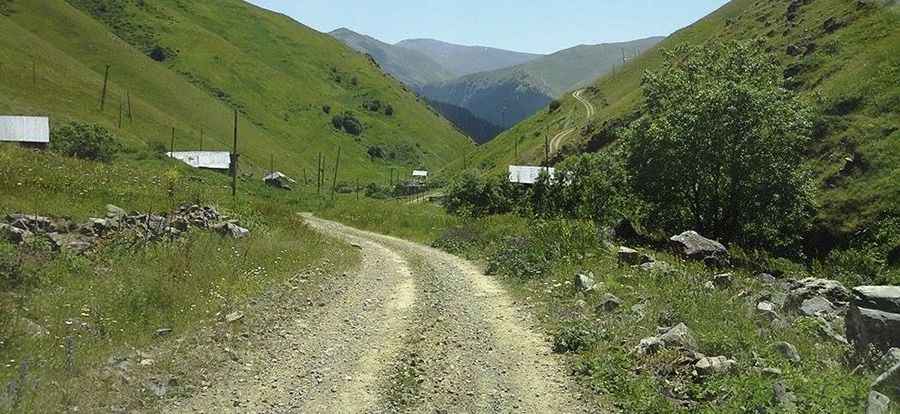
The primary danger is the combination of steepness and poor surface conditions. As shown in the local landscape, the track is narrow and often encroached upon by vegetation that can scratch the bodywork of your vehicle. There are no guardrails, and the drops into the deep green valleys of the Black Sea are vertical. At nearly 2,900 meters, snow is a constant threat and can block the pass anytime from October to June. High winds on the summit ridge can also make the driving precarious, pushing against the side of the vehicle while you are trying to pick a line between the deep ruts and the larger stones.
What mechanical prep is needed for the Polot Tepesi track?
Driving at this altitude means your engine will be gasping for oxygen, losing about 30% of its power. This makes the 10% ramps feel like a 15% climb, putting immense thermal stress on your cooling system. Before heading out, verify your tire integrity; the sharp rocks hidden in the grass can easily slice through a standard tire. On the descent, do not ride the brake pedal. The sustained slope will glaze your pads in no time. Use engine braking in a low gear to control the weight of the vehicle. It is a remote and lonely sector with zero services, so carrying a full-sized spare and extra fuel is mandatory for survival.
Pic: Muhammet HACIHASANOĞLU