Kadırga Yaylası: The steep concrete climb in the Pontic Mountains
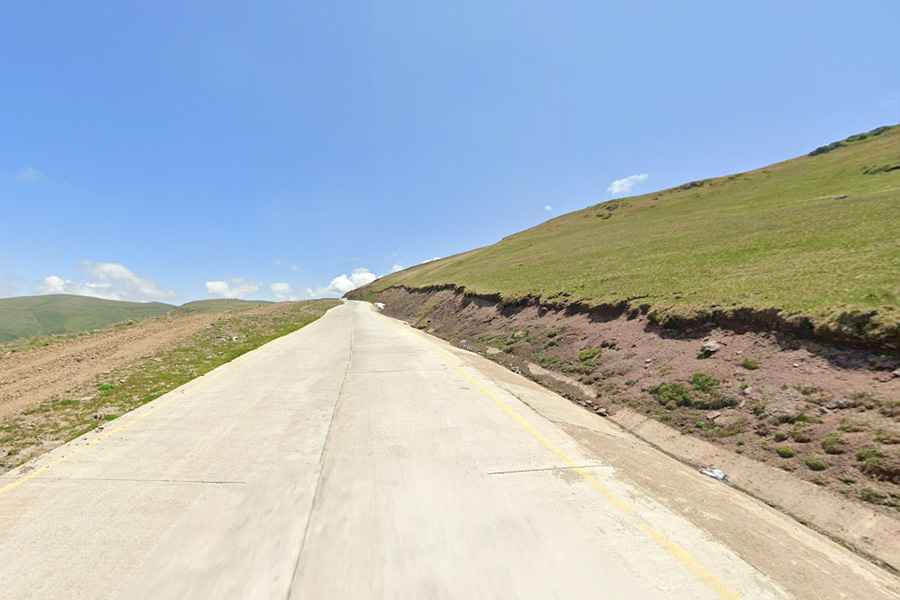
Kadırga Yaylası is a high mountain plateau at an elevation of 2,414 meters (7,919 ft) above sea level, situated on the boundary between Gümüşhane and Trabzon provinces in northeastern Turkey. The road to the summit is a technical ascent through the Pontic Mountains, recently upgraded with a concrete surface to handle the extreme erosion and mud of the region. The physical reality of driving to this plateau involves managing sustained high-altitude gradients on a narrow track where the traction on wet concrete becomes a critical factor for any vehicle.
| Road facts: Kadırga Yaylası | |
|---|---|
| Location | Gümüşhane / Trabzon, Turkey |
| Elevation | 2,414m (7,919ft) |
| Length | 13.9 km (8.6 miles) from Damlı |
| Elevation Gain | 776 meters |
How challenging is the 13.9km climb to Kadırga Yaylası?
The journey from Damlı is a continuous vertical effort. Over a distance of 13.9 kilometers, you gain 776 meters of elevation, which maintains a steady strain on the motor. While the average gradient is 5.58%, the reality of the terrain is much more aggressive, with several ramps hitting significantly higher percentages. The road was paved with concrete in the early 2020s to provide a stable surface, but the track remains narrow and requires total focus. As you reach the final sections near 2,400 meters, the concrete gives way to raw gravel, where the thin air starts to choke the engine's power and low-end torque becomes essential to keep the car moving up the plateau.
What are the hazards on the Kadırga Yaylası mountain road?
The primary hazard at Kadırga Yaylası is the combination of extreme altitude and the total lack of digital reliability. GPS and online maps are notoriously unstable in this part of the Pontic range, and getting lost can lead you into dead-end shepherd tracks that are too narrow to turn around. The concrete surface, while better than mud, can be treacherous when wet or covered in a thin layer of dust, reducing your grip during the steep descent. If you meet an oncoming truck or a tractor, the narrowness of the path forces you to maneuver on the very edge of the embankment, where the shoulder is often soft and prone to sliding away under the weight of the vehicle.
What is the logistical reality of the high Turkish plateaus?
At 2,414 meters, the weather is the ultimate boss. The Kadırga Yaylası plateau is often engulfed in thick mountain fog that reduces visibility to a few meters, making the narrow concrete ribbon almost impossible to follow without a pre-downloaded offline map. There are no gas stations or mechanical workshops for miles, meaning any failure—like a snapped belt or a burst hose—will leave you stranded in an isolated high-altitude sector. The final gravel section before the summit is especially rough on the tires; if you don't pick your line carefully, the sharp mountain stones can easily slice through a standard sidewall, forcing a difficult wheel change on an incline.
What mechanical prep is needed for the 2,414m Kadırga climb?
Before leaving Damlı, verify that your cooling system is in perfect shape and that your fans are kick-starting correctly; the slow, high-rev climb up the concrete ramps will make the motor run hot. Check your brakes and pads, as the descent from the plateau is a relentless 13.9km grind that will punish the calipers if you don't use engine braking. Ensure your tires are in good condition to handle the transition from concrete to sharp gravel. Carry extra water and a basic tool kit, as the isolation at the summit is total. In this part of northeastern Turkey, your vehicle's mechanical integrity is the only buffer between a successful climb and getting clobbered by the harsh mountain environment.